How to Spot Electrical Issues Before They Become Costly Problems
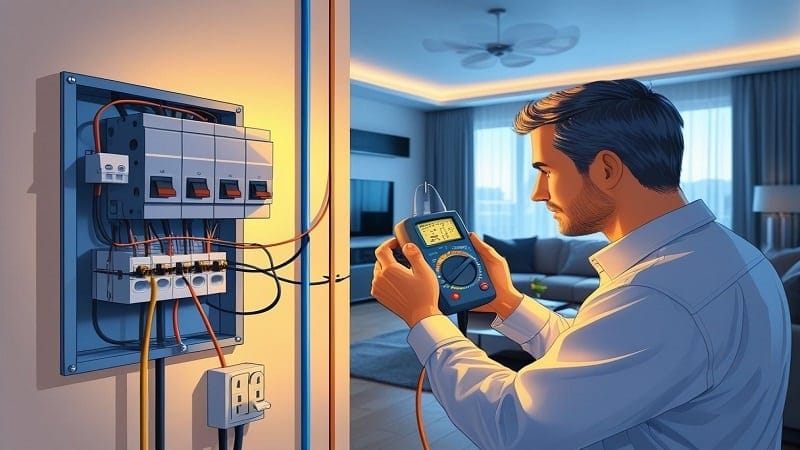
Most electrical problems don’t appear overnight. They develop gradually through warning signs that homeowners can learn to recognize before expensive damage occurs.
Early detection of electrical issues can prevent fires, equipment damage, and costly emergency repairs by identifying problems like flickering lights, warm outlets, and frequently tripping breakers. These seemingly minor symptoms often indicate underlying issues that will worsen without intervention.
Understanding what to watch for and knowing when to seek professional help protects both safety and finances. Recognizing the difference between normal electrical behavior and potential hazards allows homeowners to address problems during their early stages when solutions remain simple and affordable.
Key Warning Signs of Electrical Issues
Electrical problems typically announce themselves through visible signs, unusual sounds, or noticeable changes in system performance. These warning signals often appear weeks or months before major failures occur, giving homeowners time to address issues safely.
Flickering or Dimming Lights
Flickering lights represent one of the most common early warning signs of electrical problems. This symptom often indicates loose connections, overloaded circuits, or failing electrical components within the home’s wiring system.
Occasional flickering when large appliances start up is normal. However, persistent flickering or dimming lights throughout multiple rooms signals a more serious issue.
Circuit overload causes lights to dim when additional electrical devices draw power. This happens when too many appliances operate on the same circuit simultaneously.
Loose connections at outlets, switches, or the electrical panel create intermittent contact. These connections generate heat and pose fire risks if left unaddressed.
Common causes include:
- Overloaded electrical circuits
- Loose wiring connections
- Failing light fixtures
- Inadequate electrical panel capacity
- Damaged electrical cables
Frequent Circuit Breaker Trips
Circuit breaker trips serve as a safety mechanism to prevent electrical overloads and potential fires. When breakers trip frequently, they indicate underlying electrical issues that require immediate attention.
Single breaker trips occasionally are normal safety responses. However, repeated tripped breakers on the same circuit suggest overloaded circuits or faulty wiring.
Multiple circuit breaker trips across different areas of the home point to more serious electrical panel problems. This pattern often indicates the electrical system cannot handle the home’s power demands.
Overloaded circuits occur when electrical demand exceeds the circuit’s rated capacity. Modern homes with older electrical systems frequently experience this problem due to increased electronic device usage.
Warning signs of serious breaker issues:
- Breakers that won’t reset properly
- Burning smells near the electrical panel
- Warm or hot breaker switches
- Visible scorch marks on breakers
Buzzing, Humming, or Unusual Noises
Electrical systems should operate silently under normal conditions. Any humming sounds, buzzing noises, or unusual audio signals indicate potential electrical hazards requiring professional evaluation.
Buzzing sounds from outlets, switches, or the electrical panel suggest loose connections or arcing electricity. These conditions create fire risks and demand immediate professional attention.
Humming noises from electrical panels often indicate overloaded circuits or failing breakers. The sound typically intensifies when multiple appliances operate simultaneously.
Light fixture buzzing usually stems from incompatible dimmer switches or loose electrical connections. This problem affects both the fixture’s performance and safety.
Common noise sources:
- Loose wire connections
- Overloaded electrical circuits
- Failing circuit breakers
- Incompatible electrical components
- Damaged electrical conduits
Warm Outlets, Burning Smells, or Scorch Marks
Physical signs of electrical problems provide the clearest warnings of dangerous conditions. Warm outlets, burning smells, and scorch marks indicate immediate safety hazards requiring emergency electrical service.
Warm outlets should never occur during normal operation. Heat generation suggests overloaded circuits, loose connections, or failing electrical components that pose fire risks.
Burning smells near electrical outlets, panels, or fixtures indicate overheating wires or components. This symptom often precedes electrical fires and requires immediate power disconnection.
Scorch marks around outlets, switches, or electrical panels show previous electrical arcing or overheating events. These visible signs indicate serious electrical hazards that demand professional repair.
Immediate safety actions:
- Disconnect power to affected circuits
- Avoid using damaged outlets or switches
- Contact licensed electricians immediately
- Document damage with photographs
- Check smoke detector functionality
Preventive Measures and When to Call a Licensed Electrician
Taking proactive steps to maintain your electrical system can prevent minor issues from escalating into dangerous and expensive problems. Regular professional inspections, prompt attention to wiring issues, and recognizing warning signs from outlets and appliances are essential for protecting your home and family.
Regular Inspections for Damaged or Outdated Electrical Systems
Licensed electricians should inspect homes every 3-5 years, with older homes requiring annual evaluations. These professional assessments identify potential hazards before they become serious safety risks or costly repairs.
Key inspection priorities include:
- Circuit breakers and fuse boxes for proper operation
- Two-prong outlets that lack proper grounding
- Outdated electrical systems with insufficient capacity
- Damaged wiring behind walls and in electrical panels
Homes built before 1980 often have outdated electrical systems that cannot handle modern power demands. These systems may use obsolete components that increase the risk of electrical fires.
Professional inspections cost significantly less than emergency repairs or fire damage restoration. Electricians use specialized equipment to detect problems that homeowners cannot see or identify safely.
Addressing Loose Wiring, Loose Connections, and Electrical Arcing
Loose connections create electrical arcing, which generates dangerous heat and sparks. This condition often leads to short circuits and electrical fires if left unaddressed.
Warning signs requiring immediate professional attention:
- Buzzing sounds from outlets or switches
- Scorch marks around electrical fixtures
- Flickering lights when appliances turn on
- Burning smells near electrical components
Electrical arcing occurs when electricity jumps across gaps in loose connections. The intense heat generated can ignite surrounding materials within minutes.
Homeowners should never attempt to repair loose wiring themselves. Licensed electricians have the proper tools and training to safely diagnose and fix these hazardous conditions.
Failing circuit breakers may not trip properly when overloaded, allowing dangerous current levels to flow through loose connections. This combination significantly increases fire risk.
Recognizing the Dangers of Faulty Outlets and Appliances
Faulty outlets and appliances can cause short circuits, electrical fires, and electrocution. Identifying these hazards early prevents serious accidents and property damage.
Immediate warning signs include:
- Outlets that feel warm or hot to touch
- Sparks when plugging in devices
- Appliances that shock users
- GFCI outlets that won’t reset
Faulty wiring behind outlets often causes overheating that can ignite wall materials. Two-prong outlets in kitchens and bathrooms pose particular safety risks without proper grounding protection.
Appliances with damaged cords or internal faults can cause house fires even when plugged into functioning outlets. Regular inspection of appliance cords prevents many electrical accidents.
Licensed electricians can test outlet wiring and replace faulty components safely. They also ensure all electrical work meets current building codes and safety standards.