Question: What is search engine optimization (SEO)?
Answer:
Search Engine Optimization (SEO) refers to the practice of improving a website's visibility and ranking in search engine results pages (SERPs). It involves optimizing various aspects of a website to make it more attractive to search engines and to increase organic (non-paid) traffic from search engine users.
The goal of SEO is to enhance a website's visibility for relevant search queries. When a user searches for a specific topic or keyword, search engines use complex algorithms to determine the most relevant and authoritative websites to display in the search results. SEO techniques aim to align a website's content, structure, and other factors with these algorithms, increasing the chances of ranking higher in search results.
SEO encompasses numerous strategies and best practices, including:
1. Keyword Research: Identifying the words and phrases users are searching for and incorporating them strategically into website content.
2. On-Page Optimization: Optimizing individual web pages by optimizing meta tags, headings, content, URL structure, and internal linking.
3. Off-Page Optimization: Building high-quality backlinks from other reputable websites to improve the website's authority and reputation.
4. Technical SEO: Optimizing website technical aspects, such as site speed, mobile-friendliness, crawlability, and indexability.
5. Content Creation: Producing high-quality, relevant, and engaging content that satisfies users' search intent and encourages them to stay on the website.
6. User Experience (UX): Enhancing website usability, ease of navigation, and overall user experience to keep visitors engaged and increase the likelihood of conversions.
7. Analytics and Monitoring: Utilizing tools to track and analyze website performance, search rankings, and user behavior to make data-driven improvements.
The ultimate goal of SEO is to attract more organic traffic to a website, improve its visibility in search engines, and increase the likelihood of achieving business objectives, such as generating leads, sales, or ad revenue.
It's important to note that SEO practices can vary over time as search engine algorithms evolve. Staying up-to-date with the latest trends and guidelines from search engines is crucial for maintaining and improving search engine visibility.
MCQ: What is search engine optimization (SEO)?
Explanation:
Search Engine Optimization (SEO) refers to the practice of improving a website's visibility and ranking in search engine results pages (SERPs). It involves optimizing various aspects of a website to make it more attractive to search engines and to increase organic (non-paid) traffic from search engine users.
The goal of SEO is to enhance a website's visibility for relevant search queries. When a user searches for a specific topic or keyword, search engines use complex algorithms to determine the most relevant and authoritative websites to display in the search results. SEO techniques aim to align a website's content, structure, and other factors with these algorithms, increasing the chances of ranking higher in search results.
SEO encompasses numerous strategies and best practices, including:
1. Keyword Research: Identifying the words and phrases users are searching for and incorporating them strategically into website content.
2. On-Page Optimization: Optimizing individual web pages by optimizing meta tags, headings, content, URL structure, and internal linking.
3. Off-Page Optimization: Building high-quality backlinks from other reputable websites to improve the website's authority and reputation.
4. Technical SEO: Optimizing website technical aspects, such as site speed, mobile-friendliness, crawlability, and indexability.
5. Content Creation: Producing high-quality, relevant, and engaging content that satisfies users' search intent and encourages them to stay on the website.
6. User Experience (UX): Enhancing website usability, ease of navigation, and overall user experience to keep visitors engaged and increase the likelihood of conversions.
7. Analytics and Monitoring: Utilizing tools to track and analyze website performance, search rankings, and user behavior to make data-driven improvements.
The ultimate goal of SEO is to attract more organic traffic to a website, improve its visibility in search engines, and increase the likelihood of achieving business objectives, such as generating leads, sales, or ad revenue.
It's important to note that SEO practices can vary over time as search engine algorithms evolve. Staying up-to-date with the latest trends and guidelines from search engines is crucial for maintaining and improving search engine visibility.
Discuss a Question
Related Questions
- 1. What are meta tags?
- 2. What is meant by web 2.0?
- 3. In Electronic cash payment (i) a customer withdraws “coins” in various denominations signed by the bank (ii) the bank has a database of issued coins (iii) the bank has a database of spent coins (iv) the bank cannot trace a customer
- 4. Electronic Data Interchange (EDI) standards are
- 5. What is SMTP ?
- 6. What is extranet ?
- 7. Electronic Data Interchange is necessary in
- 8. what is mail gateway or a mail transfer agent (MTA)?
- 9. Electronic Data Interchange (EDI) requires
- 10. In SMTP, the entity that is used to prepare the message is called the ________
You may be interested in:
Web Fundamental MCQsRecently Added Articles

How Image to Text Conversion Make Printed Study Materials Easier to Use?
Last updated on: October 23, 2026Posted by: ExamRadar

7 Best Online Exam Makers for Teachers, Schools, and Businesses
Last updated on: October 21, 2026Posted by: ExamRadar

How to pick a Bintan resort when you’ve only got 48 hours
Last updated on: September 23, 2026Posted by: ExamRadar

Features to Look for While Choosing the Best Automation Tool
Last updated on: July 15, 2026Posted by: ExamRadar
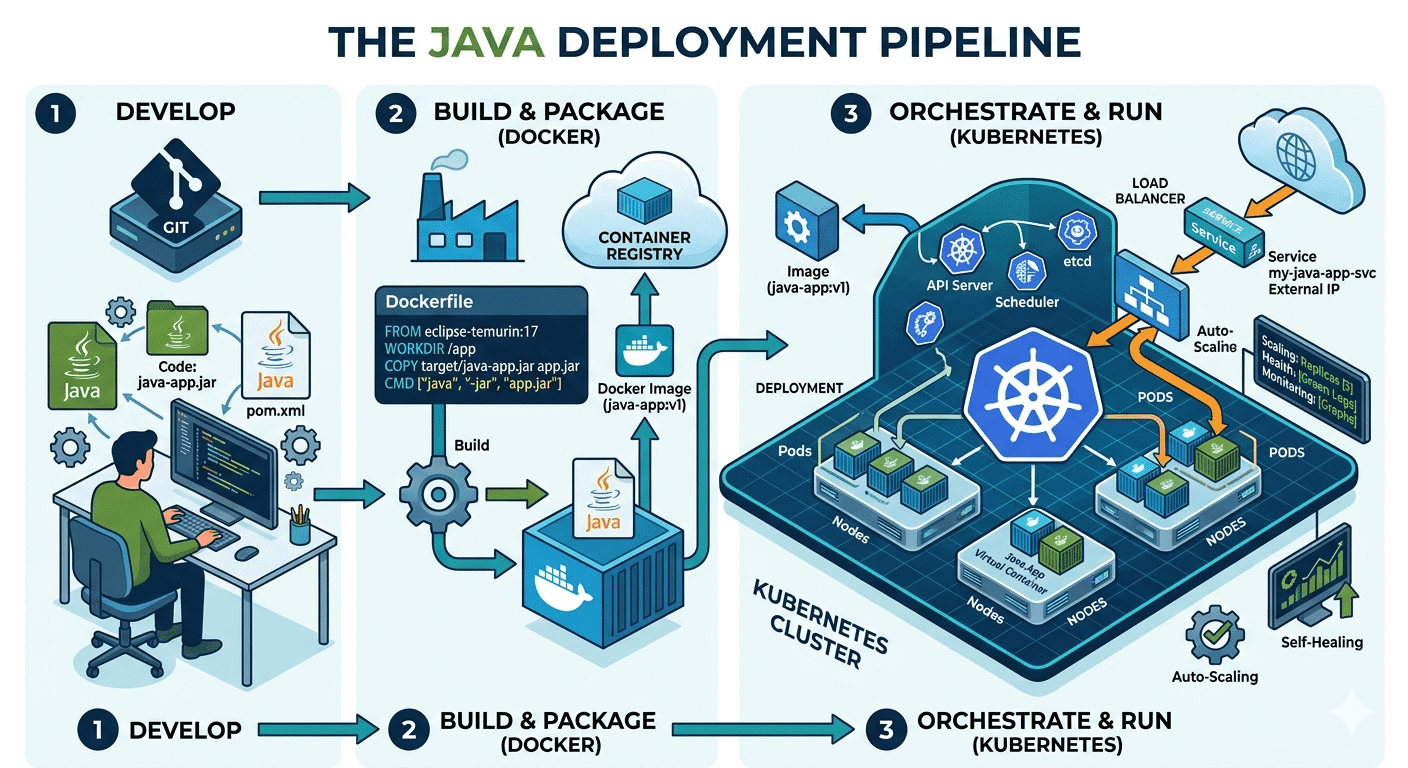
How Do Java Development Teams Use Docker and Kubernetes to Deploy Applications?
Last updated on: April 24, 2026Posted by: ExamRadar

AI vs Machine Learning: Key Differences Every Professional Should Know
Last updated on: February 13, 2026Posted by: ExamRadar

Office Cleaning Services That Elevate Sydney Offices
Last updated on: February 11, 2026Posted by: ExamRadar

What You Actually Learn About Exam Patterns From RBI Grade B Previous Year Papers?
Last updated on: February 9, 2026Posted by: ExamRadar