Question: What is COBIT ?
Answer:
COBIT, which stands for Control Objectives for Information and Related Technologies, is a framework developed by the Information Systems Audit and Control Association (ISACA) for the governance and management of enterprise IT. It provides a set of best practices, principles, and guidelines that organizations can use to ensure effective and efficient governance and management of their IT resources.
COBIT aims to align business objectives with IT goals, enable effective risk management, and ensure that IT resources are utilized optimally to achieve desired outcomes. It provides a comprehensive framework that covers various aspects of IT governance, including strategic alignment, risk management, resource management, performance measurement, and continuous improvement.
The COBIT framework consists of a set of control objectives, management guidelines, and maturity models that organizations can adopt and tailor to their specific needs. It defines a structured approach to IT governance, encompassing processes, policies, procedures, and organizational structures.
Key components of COBIT include:
1. Control Objectives: These are specific goals that an organization aims to achieve to ensure effective IT governance and management.
2. Management Guidelines: COBIT provides guidance and practices for managing IT processes, resources, and risks effectively.
3. Process Framework: COBIT defines a comprehensive set of IT processes that cover various domains, such as planning and organization, acquisition and implementation, delivery and support, and monitoring.
4. Maturity Models: COBIT includes maturity models that help organizations assess and improve their IT governance and management capabilities.
COBIT is widely recognized and used by organizations around the world as a valuable framework for IT governance and management. It helps organizations enhance transparency, accountability, and decision-making related to IT, ensuring that IT investments deliver value and align with business objectives.
MCQ: COBIT was an acronym for
Explanation:
COBIT, which stands for Control Objectives for Information and Related Technologies, is a framework developed by the Information Systems Audit and Control Association (ISACA) for the governance and management of enterprise IT. It provides a set of best practices, principles, and guidelines that organizations can use to ensure effective and efficient governance and management of their IT resources.
COBIT aims to align business objectives with IT goals, enable effective risk management, and ensure that IT resources are utilized optimally to achieve desired outcomes. It provides a comprehensive framework that covers various aspects of IT governance, including strategic alignment, risk management, resource management, performance measurement, and continuous improvement.
The COBIT framework consists of a set of control objectives, management guidelines, and maturity models that organizations can adopt and tailor to their specific needs. It defines a structured approach to IT governance, encompassing processes, policies, procedures, and organizational structures.
Key components of COBIT include:
1. Control Objectives: These are specific goals that an organization aims to achieve to ensure effective IT governance and management.
2. Management Guidelines: COBIT provides guidance and practices for managing IT processes, resources, and risks effectively.
3. Process Framework: COBIT defines a comprehensive set of IT processes that cover various domains, such as planning and organization, acquisition and implementation, delivery and support, and monitoring.
4. Maturity Models: COBIT includes maturity models that help organizations assess and improve their IT governance and management capabilities.
COBIT is widely recognized and used by organizations around the world as a valuable framework for IT governance and management. It helps organizations enhance transparency, accountability, and decision-making related to IT, ensuring that IT investments deliver value and align with business objectives.
Discuss a Question
Related Questions
- 1. In ERP, data migration refers to What?
- 2. Which of the following depicts correct chronological order for scope of COBIT framework
- 3. What is Request-Response Protocol?
- 4. The default size of block in Apache HDFS is
- 5. Payment Gateway refers to what?
- 6. “Collaborative application development” means?
- 7. Electronic Data Interchange (EDI) Means ?
- 8. Which of the following is not correct?
- 9. Match the following terms: <img src="http://examradar.com/wp-content/uploads/2017/02/web-internet-fundamental-mcq-3.png" alt="web-internet-fundamental-mcq-3" width="658" height="199" class="alignnone size-full wp-image-5277" />
- 10. To represent one billion (1 billion = 1000 million), minimum number of bits needed are
You may be interested in:
Web Fundamental MCQsRecently Added Articles

How Image to Text Conversion Make Printed Study Materials Easier to Use?
Last updated on: October 23, 2026Posted by: ExamRadar

7 Best Online Exam Makers for Teachers, Schools, and Businesses
Last updated on: October 21, 2026Posted by: ExamRadar

How to pick a Bintan resort when you’ve only got 48 hours
Last updated on: September 23, 2026Posted by: ExamRadar

Features to Look for While Choosing the Best Automation Tool
Last updated on: July 15, 2026Posted by: ExamRadar
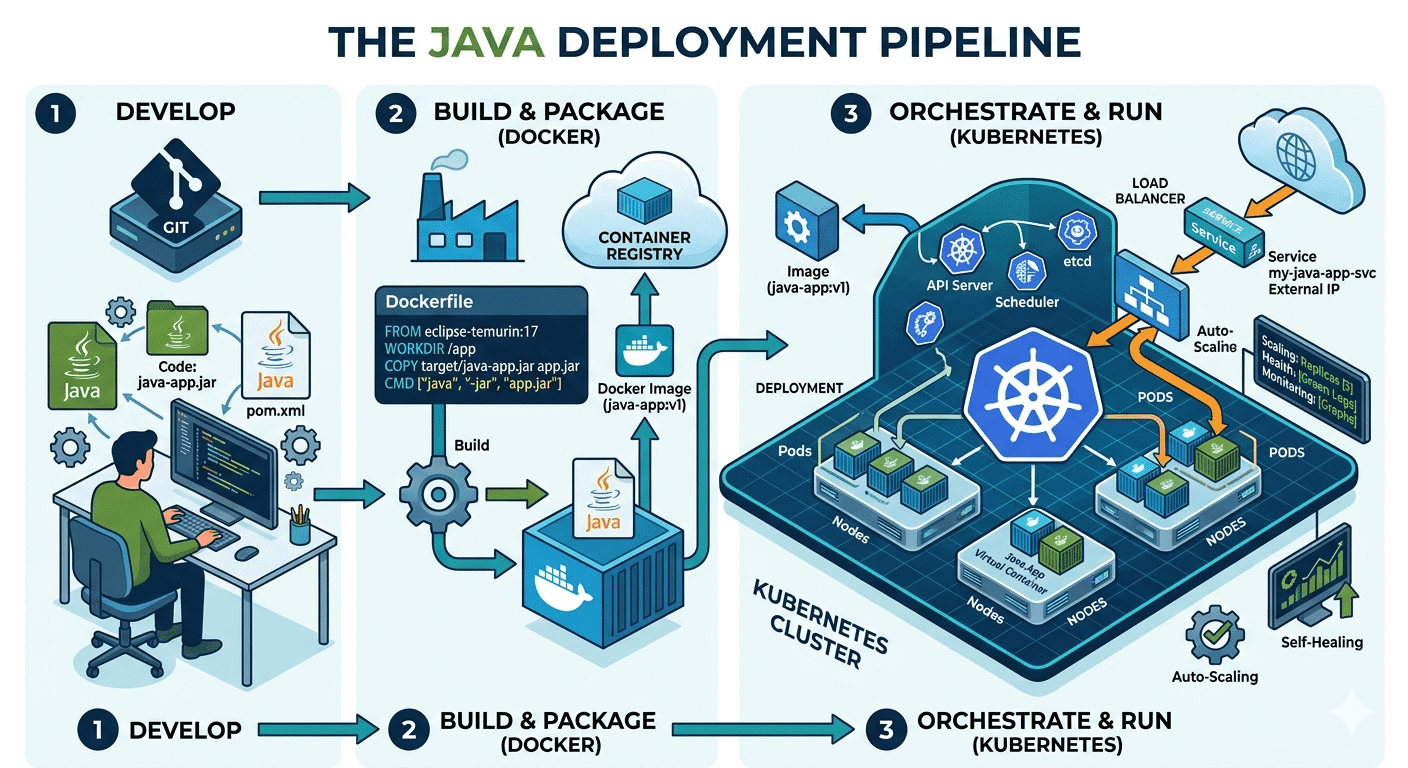
How Do Java Development Teams Use Docker and Kubernetes to Deploy Applications?
Last updated on: April 24, 2026Posted by: ExamRadar

AI vs Machine Learning: Key Differences Every Professional Should Know
Last updated on: February 13, 2026Posted by: ExamRadar

Office Cleaning Services That Elevate Sydney Offices
Last updated on: February 11, 2026Posted by: ExamRadar

What You Actually Learn About Exam Patterns From RBI Grade B Previous Year Papers?
Last updated on: February 9, 2026Posted by: ExamRadar