Question: A self replicating program, similar to a virus which was taken from a 1970s science fiction novel by John Bruner entitled the Shockwave Rider is
Answer:
The self-replicating program, similar to a virus, taken from the 1970s science fiction novel "The Shockwave Rider" by John Brunner is known as a "worm."
In the novel, Brunner introduced the concept of a computer program that could autonomously spread itself across computer networks, replicating and potentially causing harm or disruption. This idea of a self-replicating program inspired the term "worm" in the context of computer security.
A worm is a type of malicious software or malware that can replicate itself and spread from one computer to another over a network or through various means of transmission, such as email attachments or file-sharing networks. Unlike viruses, worms do not require a host program to attach themselves to and can independently propagate.
Worms can exploit vulnerabilities in operating systems or network protocols to gain unauthorized access to computers or networks. Once a worm infects a system, it can spread to other connected systems, consuming network resources, causing system slowdowns, or even compromising the security and integrity of the affected systems.
MCQ: A self replicating program, similar to a virus which was taken from a 1970s science fiction novel by John Bruner entitled the Shockwave Rider is
Explanation:
The self-replicating program, similar to a virus, taken from the 1970s science fiction novel "The Shockwave Rider" by John Brunner is known as a "worm."
In the novel, Brunner introduced the concept of a computer program that could autonomously spread itself across computer networks, replicating and potentially causing harm or disruption. This idea of a self-replicating program inspired the term "worm" in the context of computer security.
A worm is a type of malicious software or malware that can replicate itself and spread from one computer to another over a network or through various means of transmission, such as email attachments or file-sharing networks. Unlike viruses, worms do not require a host program to attach themselves to and can independently propagate.
Worms can exploit vulnerabilities in operating systems or network protocols to gain unauthorized access to computers or networks. Once a worm infects a system, it can spread to other connected systems, consuming network resources, causing system slowdowns, or even compromising the security and integrity of the affected systems.
Discuss a Question
Related Questions
- 1. A state. is a bi-stable electronic circuit that has
- 2. Unwanted repetitious messages, such as unsolicited bulk e-mail is known as
- 3. DOS stands for
- 4. Who is the chief of Microsoft
- 5. Which of the following are input devices?
- 6. Examples of output devices are
- 7. Which of the following is also known as brain of computer
- 8. IBM stands for
- 9. ............ translates and executes program at run time line by line
- 10. Some commonly recognized OOP principles are?
You may be interested in:
Computer Basics MCQsRecently Added Articles

How Image to Text Conversion Make Printed Study Materials Easier to Use?
Last updated on: October 23, 2026Posted by: ExamRadar

7 Best Online Exam Makers for Teachers, Schools, and Businesses
Last updated on: October 21, 2026Posted by: ExamRadar

How to pick a Bintan resort when you’ve only got 48 hours
Last updated on: September 23, 2026Posted by: ExamRadar

Features to Look for While Choosing the Best Automation Tool
Last updated on: July 15, 2026Posted by: ExamRadar
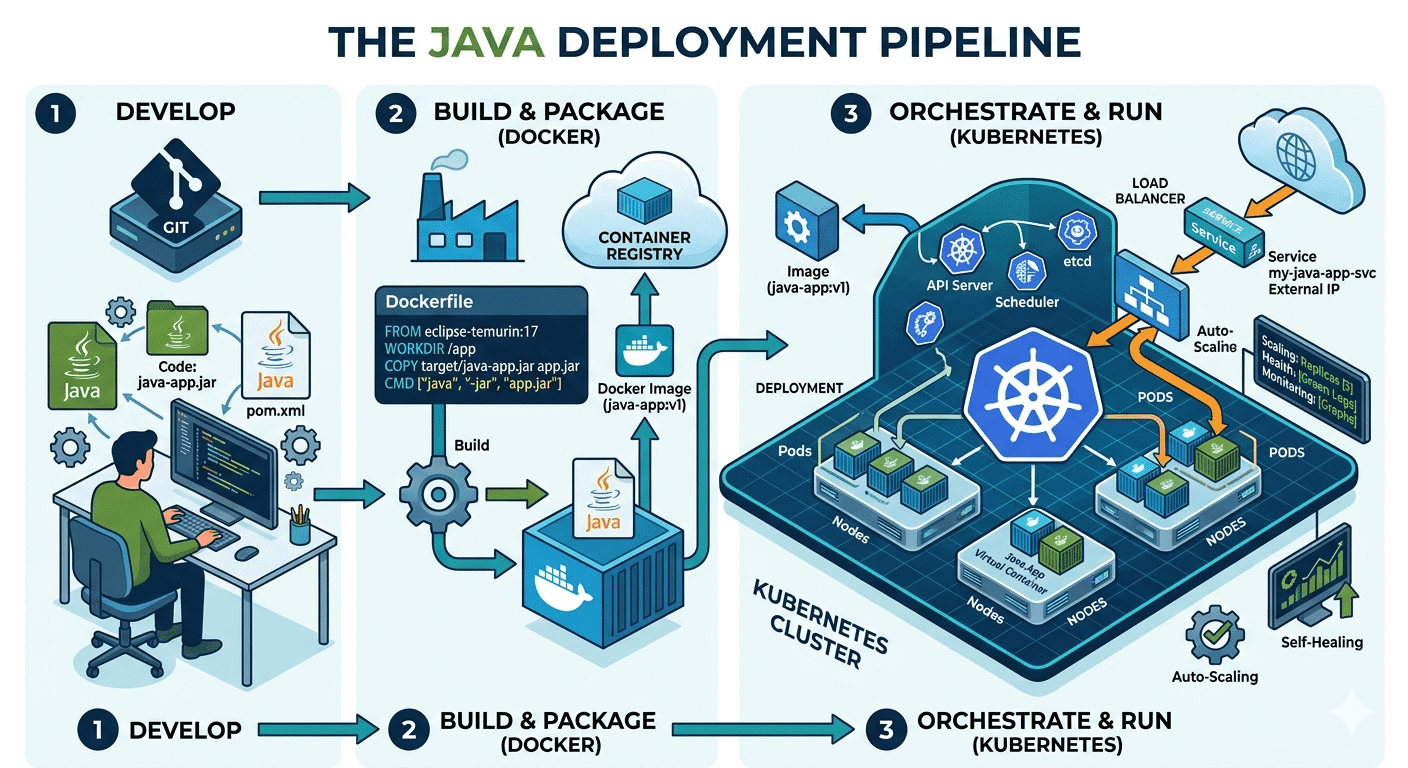
How Do Java Development Teams Use Docker and Kubernetes to Deploy Applications?
Last updated on: April 24, 2026Posted by: ExamRadar

AI vs Machine Learning: Key Differences Every Professional Should Know
Last updated on: February 13, 2026Posted by: ExamRadar

Office Cleaning Services That Elevate Sydney Offices
Last updated on: February 11, 2026Posted by: ExamRadar

What You Actually Learn About Exam Patterns From RBI Grade B Previous Year Papers?
Last updated on: February 9, 2026Posted by: ExamRadar