Question: All of the following are examples of real security and privacy risks EXCEPT
Answer:
Spam refers to unsolicited or unwanted messages, typically sent in bulk via electronic communication channels such as email, messaging apps, or social media platforms. These messages are often commercial in nature, promoting products, services, or fraudulent schemes. The primary characteristic of spam is that it is sent without the recipient's consent or solicitation.
Spam messages are often sent indiscriminately to a large number of recipients, with the intention of reaching as many people as possible. They can be a nuisance, as they clutter inboxes, consume network bandwidth, and may contain malicious content or phishing attempts.
To combat spam, various techniques and technologies have been developed, including spam filters, blacklists, and email authentication protocols. These tools help identify and filter out spam messages, reducing their impact on users.
It's important for users to exercise caution when dealing with spam messages and avoid clicking on suspicious links or providing personal information in response to such messages. Spam is an ongoing challenge in the digital world, and efforts are continuously made to minimize its impact and protect users from unwanted and potentially harmful communications.
MCQ: All of the following are examples of real security and privacy risks EXCEPT
Explanation:
Spam refers to unsolicited or unwanted messages, typically sent in bulk via electronic communication channels such as email, messaging apps, or social media platforms. These messages are often commercial in nature, promoting products, services, or fraudulent schemes. The primary characteristic of spam is that it is sent without the recipient's consent or solicitation.
Spam messages are often sent indiscriminately to a large number of recipients, with the intention of reaching as many people as possible. They can be a nuisance, as they clutter inboxes, consume network bandwidth, and may contain malicious content or phishing attempts.
To combat spam, various techniques and technologies have been developed, including spam filters, blacklists, and email authentication protocols. These tools help identify and filter out spam messages, reducing their impact on users.
It's important for users to exercise caution when dealing with spam messages and avoid clicking on suspicious links or providing personal information in response to such messages. Spam is an ongoing challenge in the digital world, and efforts are continuously made to minimize its impact and protect users from unwanted and potentially harmful communications.
Discuss a Question
Related Questions
- 1. Which of the following is NOT one of the four major data processing functions of a computer?
- 2. All of the following are examples of storage devices EXCEPT :
- 3. The CPU and memory are located on the :
- 4. …………… is the science that attempts to produce machines that display the same type of intelligence that humans do
- 5. Servers are computers that provide resources to other computers connected to a :
- 6. When creating a computer program, the ……… designs the structure of the program
- 7. A computer program that converts an entire program into machine language at one time
- 8. Computers process data into information by working exclusively with :
- 9. The difference between people with access to computers and the Internet and those without this access is known as the :
- 10. Computers manipulate data in many ways, and this manipulation is called……
You may be interested in:
Computer Basics MCQsRecently Added Articles

How Image to Text Conversion Make Printed Study Materials Easier to Use?
Last updated on: October 23, 2026Posted by: ExamRadar

7 Best Online Exam Makers for Teachers, Schools, and Businesses
Last updated on: October 21, 2026Posted by: ExamRadar

How to pick a Bintan resort when you’ve only got 48 hours
Last updated on: September 23, 2026Posted by: ExamRadar

Features to Look for While Choosing the Best Automation Tool
Last updated on: July 15, 2026Posted by: ExamRadar
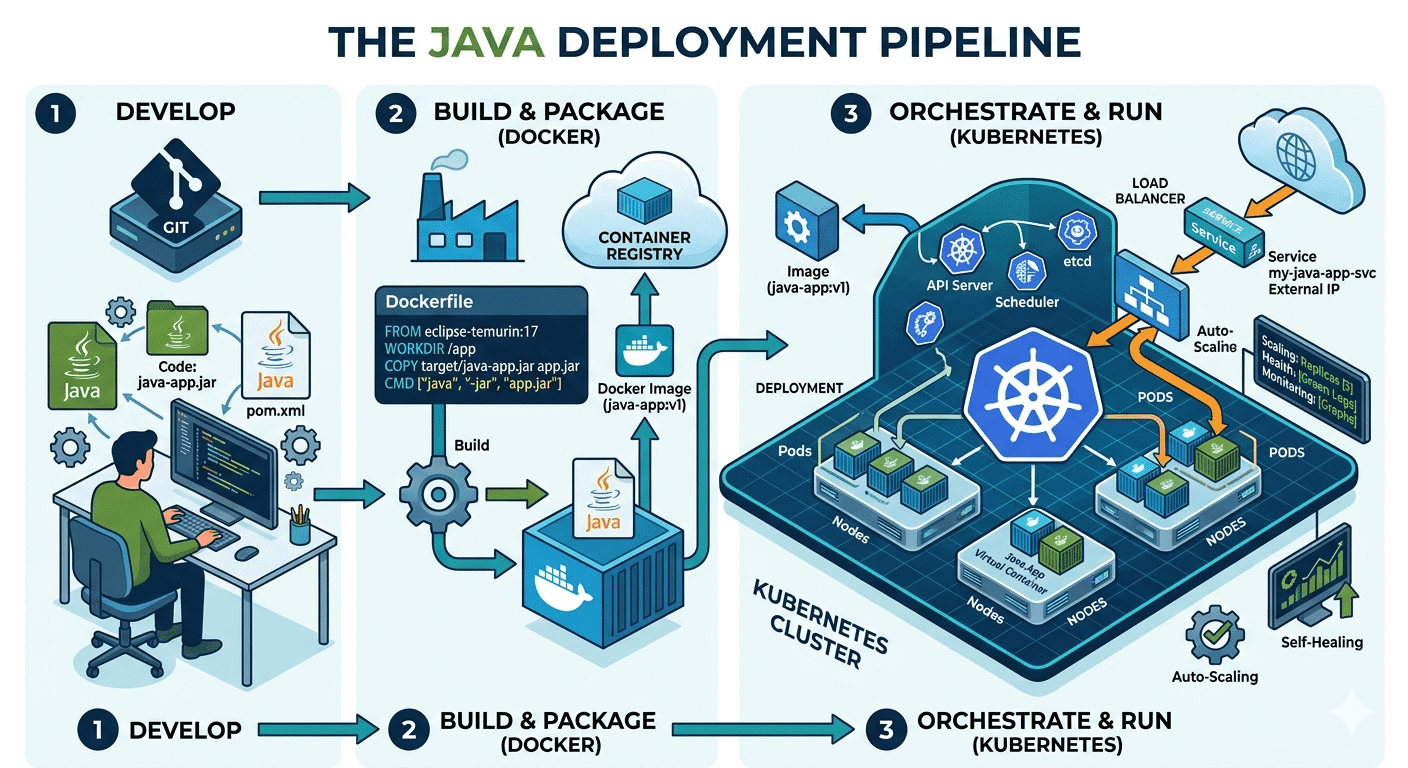
How Do Java Development Teams Use Docker and Kubernetes to Deploy Applications?
Last updated on: April 24, 2026Posted by: ExamRadar

AI vs Machine Learning: Key Differences Every Professional Should Know
Last updated on: February 13, 2026Posted by: ExamRadar

Office Cleaning Services That Elevate Sydney Offices
Last updated on: February 11, 2026Posted by: ExamRadar

What You Actually Learn About Exam Patterns From RBI Grade B Previous Year Papers?
Last updated on: February 9, 2026Posted by: ExamRadar