Question: What is DNS?
Answer:
DNS stands for Domain Name System. It is a protocol and hierarchical naming system that translates human-readable domain names into IP addresses. The DNS protocol enables users to access websites, send emails, and perform various network-related activities using domain names instead of numerical IP addresses.
The primary function of DNS is to resolve domain names to their corresponding IP addresses. When a user enters a domain name (e.g., www.example.com) in a web browser or email client, the DNS system translates that domain name into the corresponding IP address (e.g., 192.0.2.1). This allows the client to establish a connection with the appropriate server or service associated with the requested domain.
DNS operates in a distributed manner, with a hierarchy of interconnected DNS servers. The hierarchy includes root servers, top-level domain (TLD) servers, and authoritative name servers for specific domains. DNS resolvers, such as those provided by internet service providers (ISPs), interact with these DNS servers to facilitate the translation of domain names into IP addresses.
DNS also supports other important functions, including caching to improve performance and reduce network traffic, as well as DNSSEC (Domain Name System Security Extensions) to enhance security and verify the authenticity of DNS responses.
In summary, DNS is a crucial component of the internet infrastructure that enables the mapping of domain names to IP addresses, making it easier for users to access websites and services using user-friendly domain names rather than numeric IP addresses.
MCQ: To change an IP address to [email protected], we should use the _______ protocol
Explanation:
DNS stands for Domain Name System. It is a protocol and hierarchical naming system that translates human-readable domain names into IP addresses. The DNS protocol enables users to access websites, send emails, and perform various network-related activities using domain names instead of numerical IP addresses.
The primary function of DNS is to resolve domain names to their corresponding IP addresses. When a user enters a domain name (e.g., www.example.com) in a web browser or email client, the DNS system translates that domain name into the corresponding IP address (e.g., 192.0.2.1). This allows the client to establish a connection with the appropriate server or service associated with the requested domain.
DNS operates in a distributed manner, with a hierarchy of interconnected DNS servers. The hierarchy includes root servers, top-level domain (TLD) servers, and authoritative name servers for specific domains. DNS resolvers, such as those provided by internet service providers (ISPs), interact with these DNS servers to facilitate the translation of domain names into IP addresses.
DNS also supports other important functions, including caching to improve performance and reduce network traffic, as well as DNSSEC (Domain Name System Security Extensions) to enhance security and verify the authenticity of DNS responses.
In summary, DNS is a crucial component of the internet infrastructure that enables the mapping of domain names to IP addresses, making it easier for users to access websites and services using user-friendly domain names rather than numeric IP addresses.
Discuss a Question
Related Questions
- 1. Internet is
- 2. Each computer connected to the internet must
- 3. To change [email protected] to an IP address, we should use the _______ domain in the DNS protocol.
- 4. IP address is currently
- 5. To change [email protected] to an IP address, we should use the _______ domain in the DNS protocol
- 6. IP addresses are converted to
- 7. To change an IP address to [email protected], we should use the _______ domain in the DNS protocol.
- 8. Internet addresses must always have at least (i) a country name or organization type (ii) internet service provider’s name (iii) name of organization (iv) name of individual (v) type of organization
- 9. What is Electronic Commerce (e-commerce)?
- 10. What is Packet switching ?
You may be interested in:
Web Fundamental MCQsRecently Added Articles

How Image to Text Conversion Make Printed Study Materials Easier to Use?
Last updated on: October 23, 2026Posted by: ExamRadar

7 Best Online Exam Makers for Teachers, Schools, and Businesses
Last updated on: October 21, 2026Posted by: ExamRadar

How to pick a Bintan resort when you’ve only got 48 hours
Last updated on: September 23, 2026Posted by: ExamRadar

Features to Look for While Choosing the Best Automation Tool
Last updated on: July 15, 2026Posted by: ExamRadar
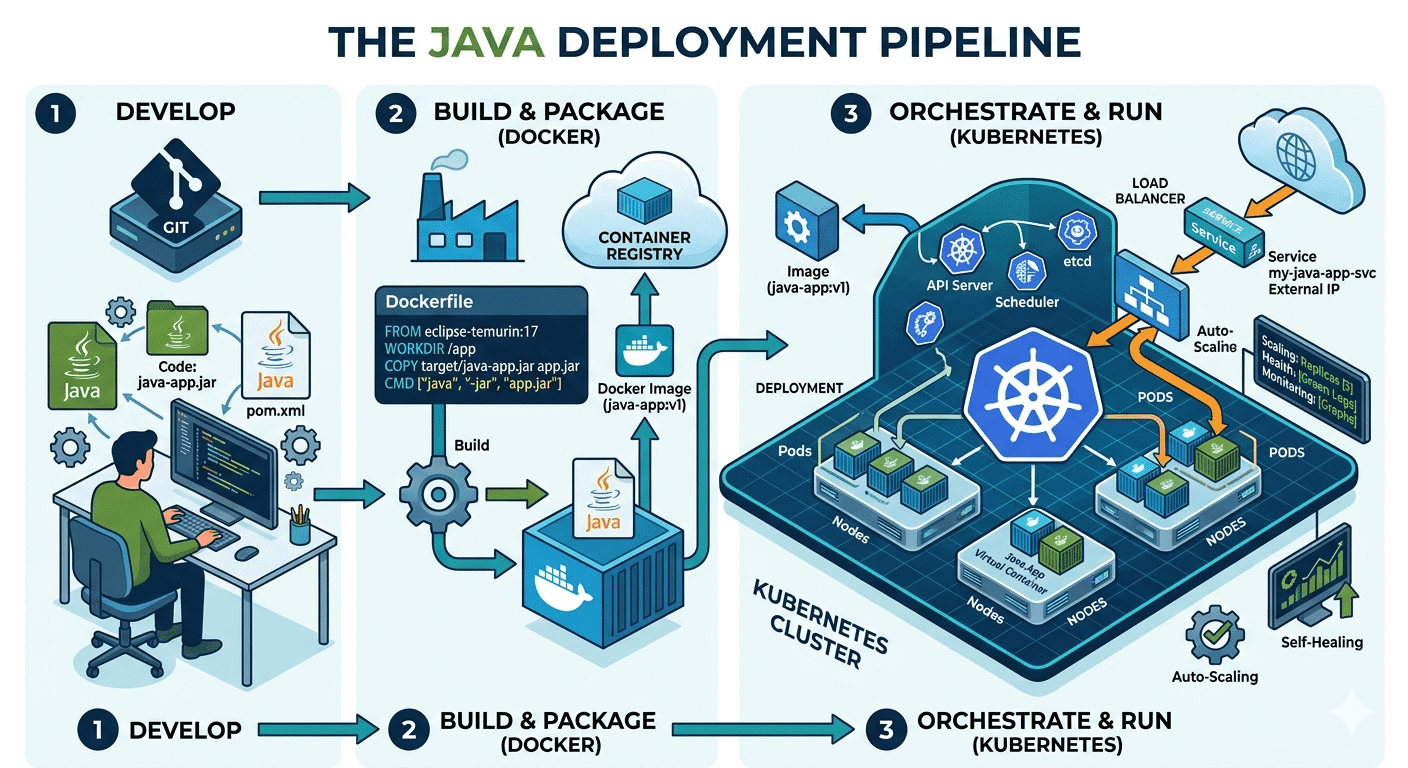
How Do Java Development Teams Use Docker and Kubernetes to Deploy Applications?
Last updated on: April 24, 2026Posted by: ExamRadar

AI vs Machine Learning: Key Differences Every Professional Should Know
Last updated on: February 13, 2026Posted by: ExamRadar

Office Cleaning Services That Elevate Sydney Offices
Last updated on: February 11, 2026Posted by: ExamRadar

What You Actually Learn About Exam Patterns From RBI Grade B Previous Year Papers?
Last updated on: February 9, 2026Posted by: ExamRadar