Question: VOIP stands for……….
Answer:
VOIP stands for Voice over Internet Protocol.
Voice over Internet Protocol is a technology that enables the transmission of voice and multimedia content over internet networks. Instead of using traditional analog telephone lines, VOIP converts voice signals into digital data packets and transmits them over IP-based networks, such as the internet.
VOIP allows for voice communication to be carried out using internet connections, offering advantages such as cost savings, flexibility, and integration with other digital services. It allows users to make voice and video calls, as well as send instant messages and multimedia content, using internet-enabled devices like computers, smartphones, and IP phones.
By utilizing the existing internet infrastructure, VOIP eliminates the need for separate voice and data networks, leading to cost efficiencies and simplified network management. It has gained popularity in both residential and business settings, providing an alternative to traditional telephony systems.
Common examples of VOIP applications and services include Skype, WhatsApp, Microsoft Teams, and various business-oriented VOIP solutions.
MCQ: VOIP stands for……….
Explanation:
VOIP stands for Voice over Internet Protocol.
Voice over Internet Protocol is a technology that enables the transmission of voice and multimedia content over internet networks. Instead of using traditional analog telephone lines, VOIP converts voice signals into digital data packets and transmits them over IP-based networks, such as the internet.
VOIP allows for voice communication to be carried out using internet connections, offering advantages such as cost savings, flexibility, and integration with other digital services. It allows users to make voice and video calls, as well as send instant messages and multimedia content, using internet-enabled devices like computers, smartphones, and IP phones.
By utilizing the existing internet infrastructure, VOIP eliminates the need for separate voice and data networks, leading to cost efficiencies and simplified network management. It has gained popularity in both residential and business settings, providing an alternative to traditional telephony systems.
Common examples of VOIP applications and services include Skype, WhatsApp, Microsoft Teams, and various business-oriented VOIP solutions.
Discuss a Question
Related Questions
- 1. The first web browser is
- 2. LAN stands for……………
- 3. ………. are set of rules and procedures to control the data transmission over the internet
- 4. NOS stands for
- 5. …………… are system software to facilitate editing of text and data
- 6. Computers, combine both measuring and counting, are called :
- 7. In world today, most of the computers are :
- 8. Physical structure of computer is called :
- 9. In which type of computer, data are represented as discrete signals.
- 10. Which of the following is available in the form of a PC now?
You may be interested in:
Computer Basics MCQsRecently Added Articles

How Image to Text Conversion Make Printed Study Materials Easier to Use?
Last updated on: October 23, 2026Posted by: ExamRadar

7 Best Online Exam Makers for Teachers, Schools, and Businesses
Last updated on: October 21, 2026Posted by: ExamRadar

How to pick a Bintan resort when you’ve only got 48 hours
Last updated on: September 23, 2026Posted by: ExamRadar

Features to Look for While Choosing the Best Automation Tool
Last updated on: July 15, 2026Posted by: ExamRadar
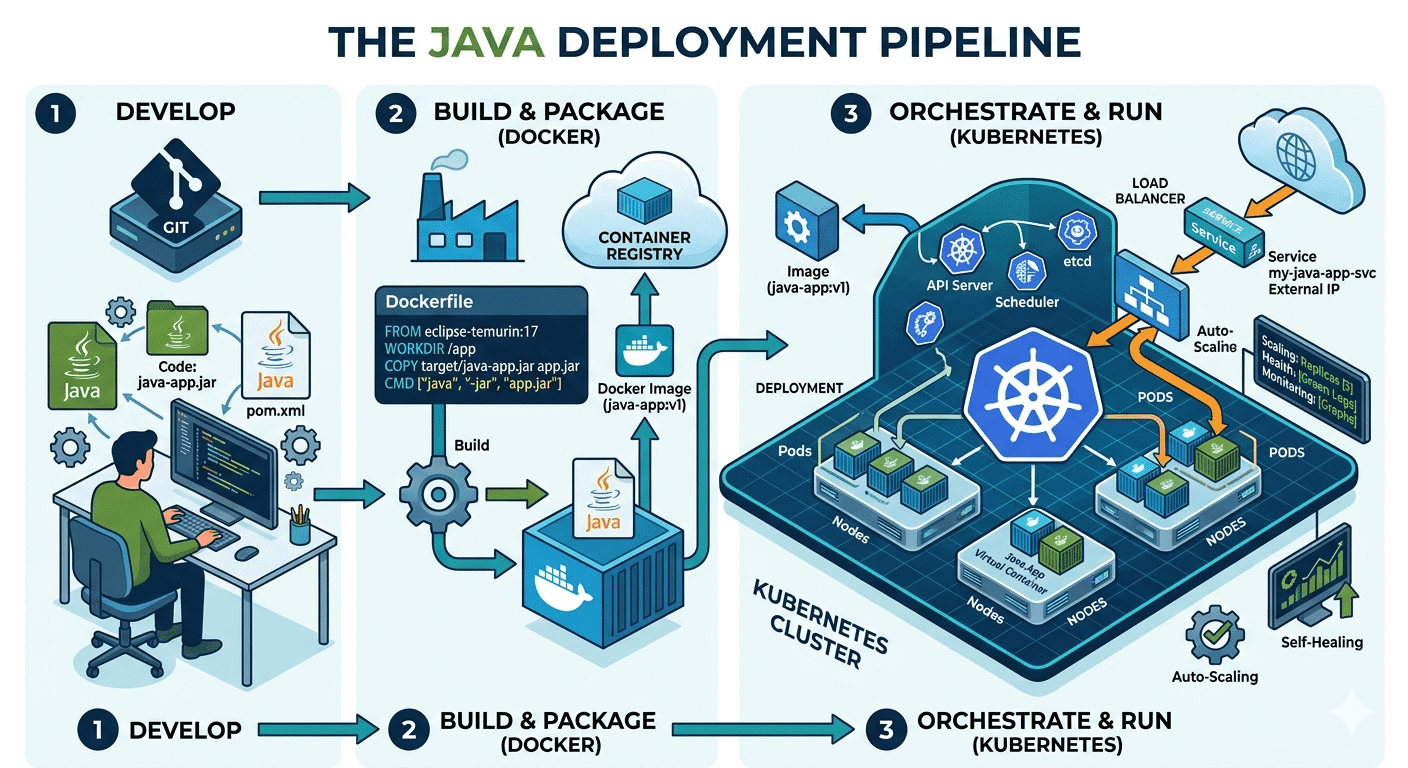
How Do Java Development Teams Use Docker and Kubernetes to Deploy Applications?
Last updated on: April 24, 2026Posted by: ExamRadar

AI vs Machine Learning: Key Differences Every Professional Should Know
Last updated on: February 13, 2026Posted by: ExamRadar

Office Cleaning Services That Elevate Sydney Offices
Last updated on: February 11, 2026Posted by: ExamRadar

What You Actually Learn About Exam Patterns From RBI Grade B Previous Year Papers?
Last updated on: February 9, 2026Posted by: ExamRadar