Question: In order to interpret XML documents one should
Answer:
In order to interpret XML documents, one should use an XML parser or an XML processing library.
XML parsers are software components or libraries that can read and interpret XML documents, extract data from them, and provide access to the content within the document. These parsers parse the XML syntax, validate the document against a defined XML schema or Document Type Definition (DTD), and provide an interface to navigate and manipulate the XML data.
Here are the common steps involved in interpreting XML documents:
1. Parsing: The XML parser reads the XML document and checks its syntax and structure. It verifies that the document conforms to the XML specifications.
2. Validation: If a validation process is required, the parser validates the XML document against a specified XML schema or DTD. This ensures that the document adheres to the defined rules and structure.
3. Document Object Model (DOM) or SAX Parsing: The parser creates a representation of the XML document, known as the Document Object Model (DOM) or uses a streaming model called Simple API for XML (SAX). The DOM/SAX provides an interface to access and manipulate the XML elements, attributes, and data.
4. Data Extraction and Processing: Using the DOM or SAX, the application can access specific elements, attributes, or data within the XML document. It can extract the required information, perform operations on the data, or integrate it into the application's logic.
5. Error Handling: The XML parser can report any errors encountered during the parsing and validation process. This allows the application to handle exceptions or handle invalid XML documents appropriately.
There are various programming languages that provide XML parsing libraries or built-in XML processing capabilities, such as Java (with libraries like DOM, SAX, and StAX), Python (with libraries like xml.etree.ElementTree or lxml), C# (.NET Framework with System.Xml), and many more.
Using these XML parsing libraries, developers can read, interpret, and process XML documents according to their application's requirements.
MCQ: In order to interpret XML documents one should
Explanation:
In order to interpret XML documents, one should use an XML parser or an XML processing library.
XML parsers are software components or libraries that can read and interpret XML documents, extract data from them, and provide access to the content within the document. These parsers parse the XML syntax, validate the document against a defined XML schema or Document Type Definition (DTD), and provide an interface to navigate and manipulate the XML data.
Here are the common steps involved in interpreting XML documents:
1. Parsing: The XML parser reads the XML document and checks its syntax and structure. It verifies that the document conforms to the XML specifications.
2. Validation: If a validation process is required, the parser validates the XML document against a specified XML schema or DTD. This ensures that the document adheres to the defined rules and structure.
3. Document Object Model (DOM) or SAX Parsing: The parser creates a representation of the XML document, known as the Document Object Model (DOM) or uses a streaming model called Simple API for XML (SAX). The DOM/SAX provides an interface to access and manipulate the XML elements, attributes, and data.
4. Data Extraction and Processing: Using the DOM or SAX, the application can access specific elements, attributes, or data within the XML document. It can extract the required information, perform operations on the data, or integrate it into the application's logic.
5. Error Handling: The XML parser can report any errors encountered during the parsing and validation process. This allows the application to handle exceptions or handle invalid XML documents appropriately.
There are various programming languages that provide XML parsing libraries or built-in XML processing capabilities, such as Java (with libraries like DOM, SAX, and StAX), Python (with libraries like xml.etree.ElementTree or lxml), C# (.NET Framework with System.Xml), and many more.
Using these XML parsing libraries, developers can read, interpret, and process XML documents according to their application's requirements.
Discuss a Question
Related Questions
- 1. The fourth section of a request message in HTTP is the __________
- 2. It is possible to display pictures (i.e, images) in HTML specification by using the tag
- 3. What is SGML and what is its use?
- 4. In the URL HTTP://xxxx:yyyy/zzzz, the name of the host (or an alias for it) is _________
- 5. In the URL HTTP://xxxx:yyyy/zzzz, the name of the port is _________.
- 6. In the URL HTTP://xxxx:yyyy/zzzz, the pathname of the file or directory where the web page is located is _______
- 7. HTML and XML are markup languages
- 8. Which one of the option is not shown in Control PANEL
- 9. what is BYTE?
- 10. What is the Information Technology Act, 2000?
You may be interested in:
Web Fundamental MCQsRecently Added Articles
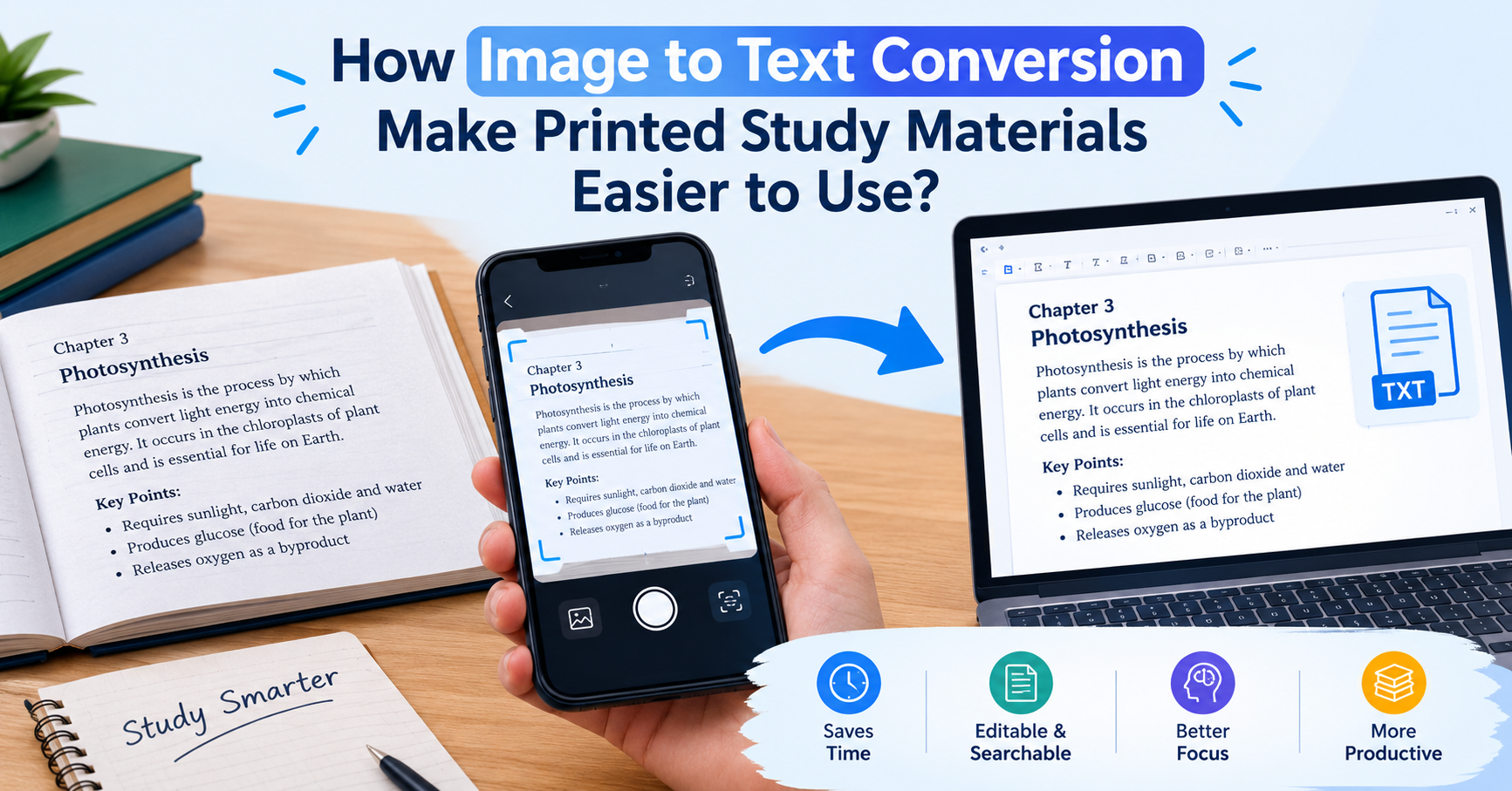
How Image to Text Conversion Make Printed Study Materials Easier to Use?
Last updated on: October 23, 2026Posted by: ExamRadar

7 Best Online Exam Makers for Teachers, Schools, and Businesses
Last updated on: October 21, 2026Posted by: ExamRadar

How to pick a Bintan resort when you’ve only got 48 hours
Last updated on: September 23, 2026Posted by: ExamRadar

Features to Look for While Choosing the Best Automation Tool
Last updated on: July 15, 2026Posted by: ExamRadar
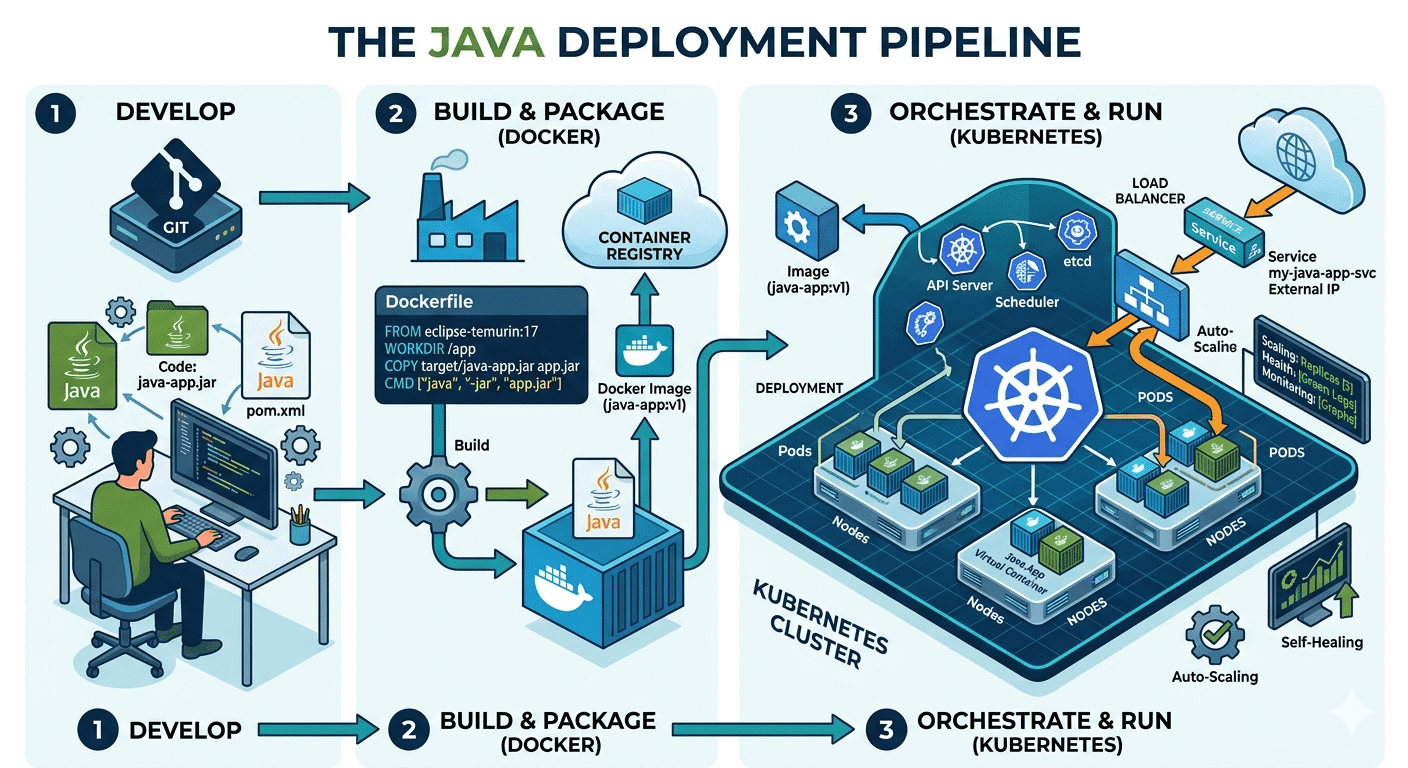
How Do Java Development Teams Use Docker and Kubernetes to Deploy Applications?
Last updated on: April 24, 2026Posted by: ExamRadar

AI vs Machine Learning: Key Differences Every Professional Should Know
Last updated on: February 13, 2026Posted by: ExamRadar

Office Cleaning Services That Elevate Sydney Offices
Last updated on: February 11, 2026Posted by: ExamRadar

What You Actually Learn About Exam Patterns From RBI Grade B Previous Year Papers?
Last updated on: February 9, 2026Posted by: ExamRadar