Question: Which of the following statement is true for Power-of-2 allocators? <ol> <li>Buddy System splits and recombines memory blocks in a predetermined manner during allocation and deallocation.</li> <li>No splitting of blocks takes place, also no effort is made to coalesce adjoining blocks to form larger blocks; when released, a block is simply returned to its free list.</li> <li> When a request is made for m bytes, the allocator first check the free list containing blocks whose size is 2<sup>i</sup> for the smallest value of i such that 2<sup>i</sup> ≥ m.if the free list is empty ,it checks the list containing blocks that are higher the next higher power of 2 in size on so on. an entire block is allocated to a request.</li> <li> When a request is made for m bytes. the system finds the smallest power of 2 that is ≥ m. Let this be 2<sup>i</sup>.if the list is empty, it checks the lists for block of size 2<sup>i+1</sup>.it takes one block off this list and splits it into two halves of size 2<sup>i</sup>.it put one of these blocks into the free list of size 2<sup>i</sup>,and uses the other block to satisfy the request.</li> </ol>
Answer:
No splitting of blocks takes place, also no effort is made to coalesce adjoining blocks to form larger blocks; when released, a block is simply returned to its free list.
When a request is made for m bytes ,the allocator first check the free list containing blocks whose size is 2i for the smallest value of i such that 2i ≥ m. If the free list is empty, it checks the list containing blocks that are higher the next higher power of 2 in size on so on. an entire block is allocated to a request.
MCQ: Which of the following statement is true for Power-of-2 allocators? <ol> <li>Buddy System splits and recombines memory blocks in a predetermined manner during allocation and deallocation.</li> <li>No splitting of blocks takes place, also no effort is made to coalesce adjoining blocks to form larger blocks; when released, a block is simply returned to its free list.</li> <li> When a request is made for m bytes, the allocator first check the free list containing blocks whose size is 2<sup>i</sup> for the smallest value of i such that 2<sup>i</sup> ≥ m.if the free list is empty ,it checks the list containing blocks that are higher the next higher power of 2 in size on so on. an entire block is allocated to a request.</li> <li> When a request is made for m bytes. the system finds the smallest power of 2 that is ≥ m. Let this be 2<sup>i</sup>.if the list is empty, it checks the lists for block of size 2<sup>i+1</sup>.it takes one block off this list and splits it into two halves of size 2<sup>i</sup>.it put one of these blocks into the free list of size 2<sup>i</sup>,and uses the other block to satisfy the request.</li> </ol>
Explanation:
No splitting of blocks takes place, also no effort is made to coalesce adjoining blocks to form larger blocks; when released, a block is simply returned to its free list.
When a request is made for m bytes ,the allocator first check the free list containing blocks whose size is 2i for the smallest value of i such that 2i ≥ m. If the free list is empty, it checks the list containing blocks that are higher the next higher power of 2 in size on so on. an entire block is allocated to a request.
Discuss a Question
Related Questions
- 1. The buddy and power of 2 allocators are faster than the first-fit ,best-fit, next-fit allocators
- 2. The power of 2 allocators is faster than the Buddy System allocators.
- 3. Contiguous memory allocation is the classical memory allocation model in which
- 4. Contiguous memory allocation faces the problem of
- 5. In Contiguous memory allocation _________ has no cure
- 6. The technique of memory compaction and reuse of memory can be applied to overcome the problem of
- 7. Memory compaction involves _________
- 8. Dynamic Relocation is not feasible without_____
- 9. NonContiguous memory allocation is a model in which
- 10. In NonContiguous memory allocation _______
You may be interested in:
OS Memory Management MCQsRecently Added Articles

How to pick a Bintan resort when you’ve only got 48 hours
Last updated on: September 23, 2026Posted by: ExamRadar

Features to Look for While Choosing the Best Automation Tool
Last updated on: July 15, 2026Posted by: ExamRadar
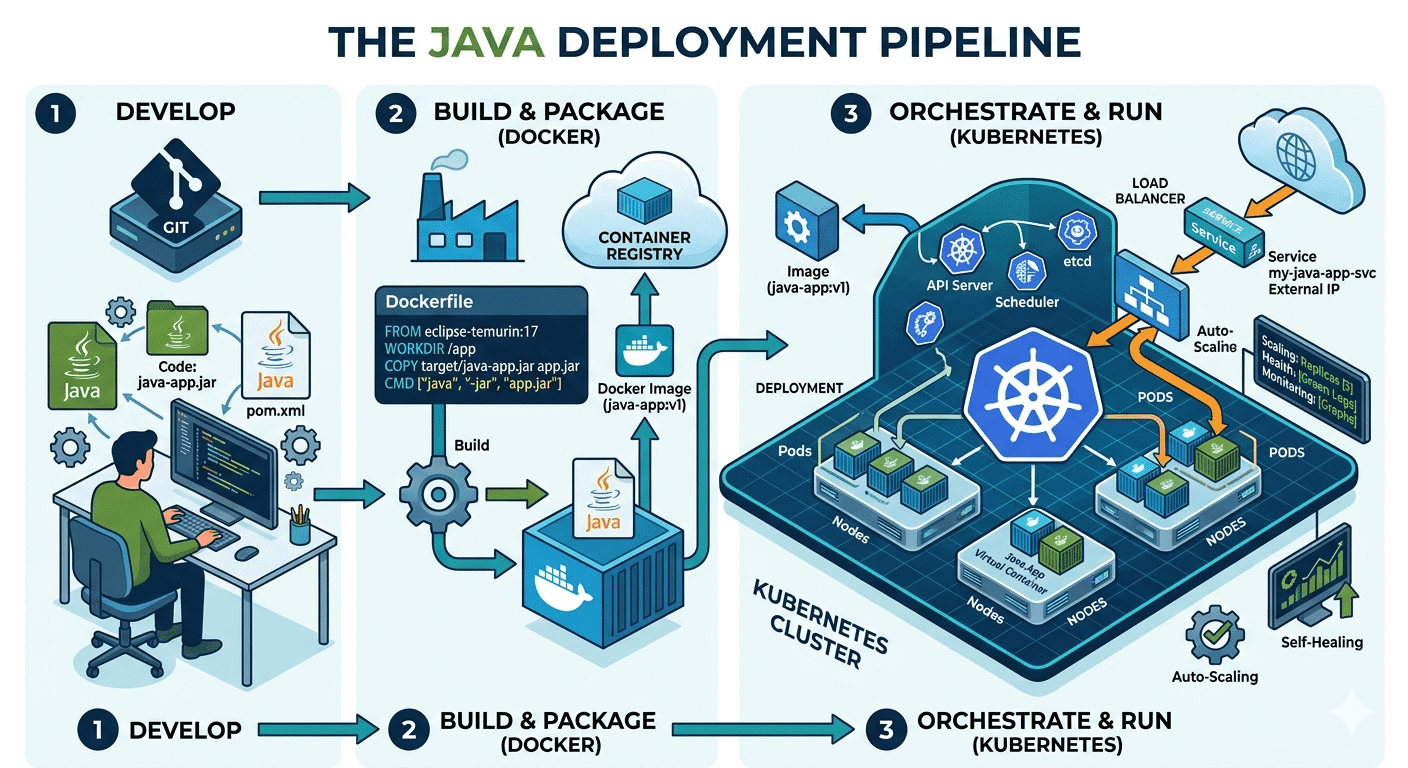
How Do Java Development Teams Use Docker and Kubernetes to Deploy Applications?
Last updated on: April 24, 2026Posted by: ExamRadar

AI vs Machine Learning: Key Differences Every Professional Should Know
Last updated on: February 13, 2026Posted by: ExamRadar

Office Cleaning Services That Elevate Sydney Offices
Last updated on: February 11, 2026Posted by: ExamRadar

What You Actually Learn About Exam Patterns From RBI Grade B Previous Year Papers?
Last updated on: February 9, 2026Posted by: ExamRadar

Mental Health Support That’s Closer Than You Think
Last updated on: January 7, 2026Posted by: ExamRadar

Transform Your Home’s Exterior with Columbus roofing company
Last updated on: November 27, 2025Posted by: ExamRadar