Question: Advantages of cell relay are
Answer:
Two additional advantages of cell relay, such as ATM, are high-speed transmission and multiplexing capabilities:
- High-Speed Transmission: Cell relay networks, like ATM, are designed to support high-speed transmission. By utilizing fixed-size cells and dedicated hardware for cell switching, ATM networks can achieve high data rates, making them suitable for applications that require fast and efficient data transfer, such as multimedia streaming and high-speed data communication.
- Multiplexing Transmission: Cell relay networks excel at multiplexing different types of traffic onto a shared network infrastructure. By utilizing virtual channels or virtual paths, multiple data streams can be multiplexed and transmitted simultaneously over the same physical link. This multiplexing capability enables efficient utilization of network resources and allows for the integration of various types of traffic, such as voice, video, and data, within a single network infrastructure.
These advantages make cell relay technologies like ATM attractive for specific use cases that demand high-speed transmission and the ability to efficiently multiplex different types of traffic. However, it's important to note that ATM has seen limited deployment in recent years, with packet-switched technologies like IP (Internet Protocol) becoming more prevalent due to their flexibility, compatibility, and scalability.
MCQ: Advantages of cell relay are
Explanation:
Two additional advantages of cell relay, such as ATM, are high-speed transmission and multiplexing capabilities:
- High-Speed Transmission: Cell relay networks, like ATM, are designed to support high-speed transmission. By utilizing fixed-size cells and dedicated hardware for cell switching, ATM networks can achieve high data rates, making them suitable for applications that require fast and efficient data transfer, such as multimedia streaming and high-speed data communication.
- Multiplexing Transmission: Cell relay networks excel at multiplexing different types of traffic onto a shared network infrastructure. By utilizing virtual channels or virtual paths, multiple data streams can be multiplexed and transmitted simultaneously over the same physical link. This multiplexing capability enables efficient utilization of network resources and allows for the integration of various types of traffic, such as voice, video, and data, within a single network infrastructure.
These advantages make cell relay technologies like ATM attractive for specific use cases that demand high-speed transmission and the ability to efficiently multiplex different types of traffic. However, it's important to note that ATM has seen limited deployment in recent years, with packet-switched technologies like IP (Internet Protocol) becoming more prevalent due to their flexibility, compatibility, and scalability.
Discuss a Question
Related Questions
- 1. When compared with the OSI reference model, the IEEE standard contains the following layers:
- 2. In a token ring, the stations are connected to the __________
- 3. A _________ preamble is used to synchronize the receiver’s clock
- 4. The destination address and source address field is similar to
- 5. IPv4 Address is
- 6. Which function allows dumping of invalid packets for a specific network instead of forwarding
- 7. The word SLIP stands for
- 8. What is the port number of the FTP
- 9. The SMDS is similar to which transfer mode
- 10. PDUs contain
You may be interested in:
Data Communication & Networking MCQsRecently Added Articles
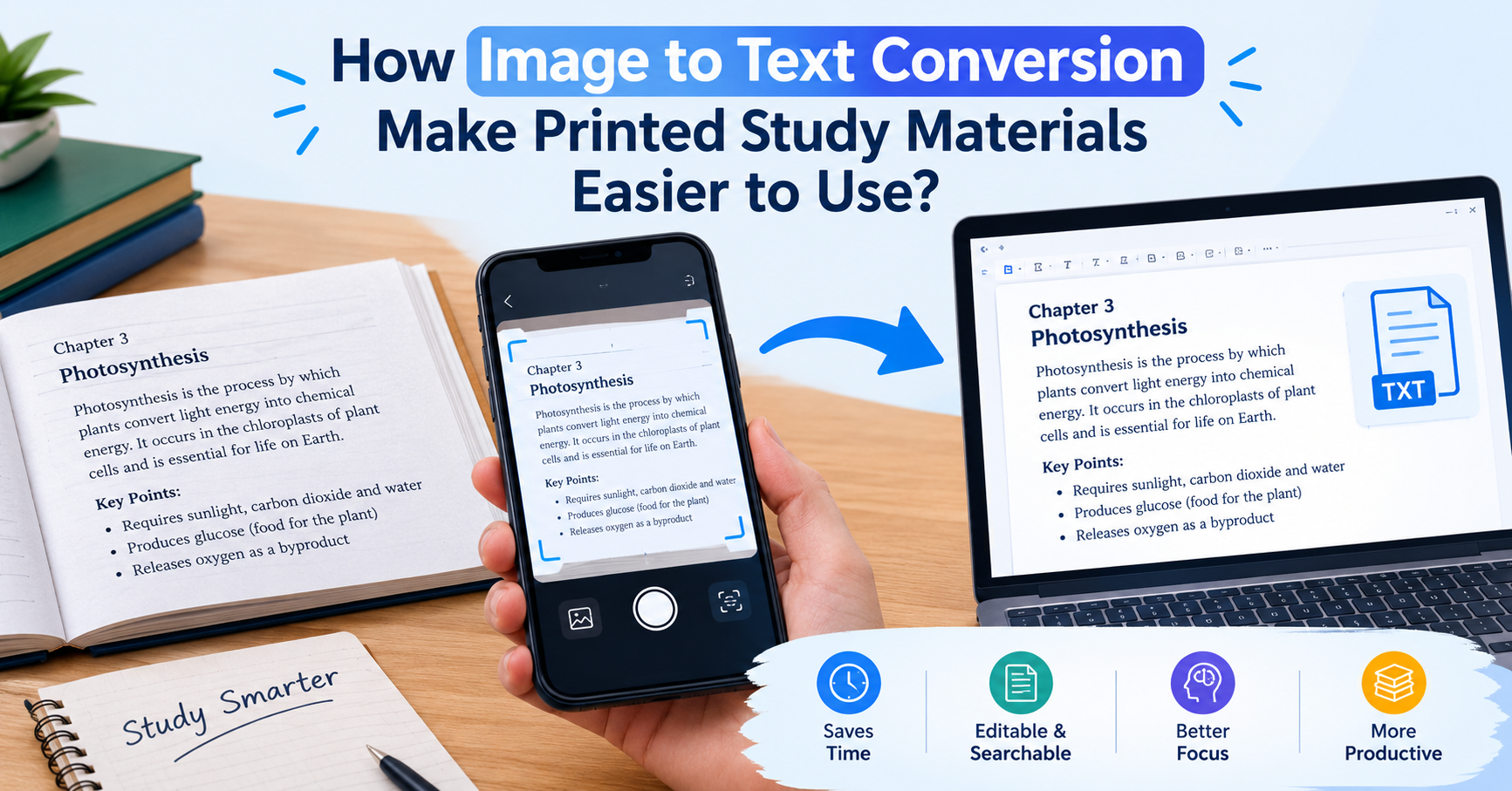
How Image to Text Conversion Make Printed Study Materials Easier to Use?
Last updated on: October 23, 2026Posted by: ExamRadar
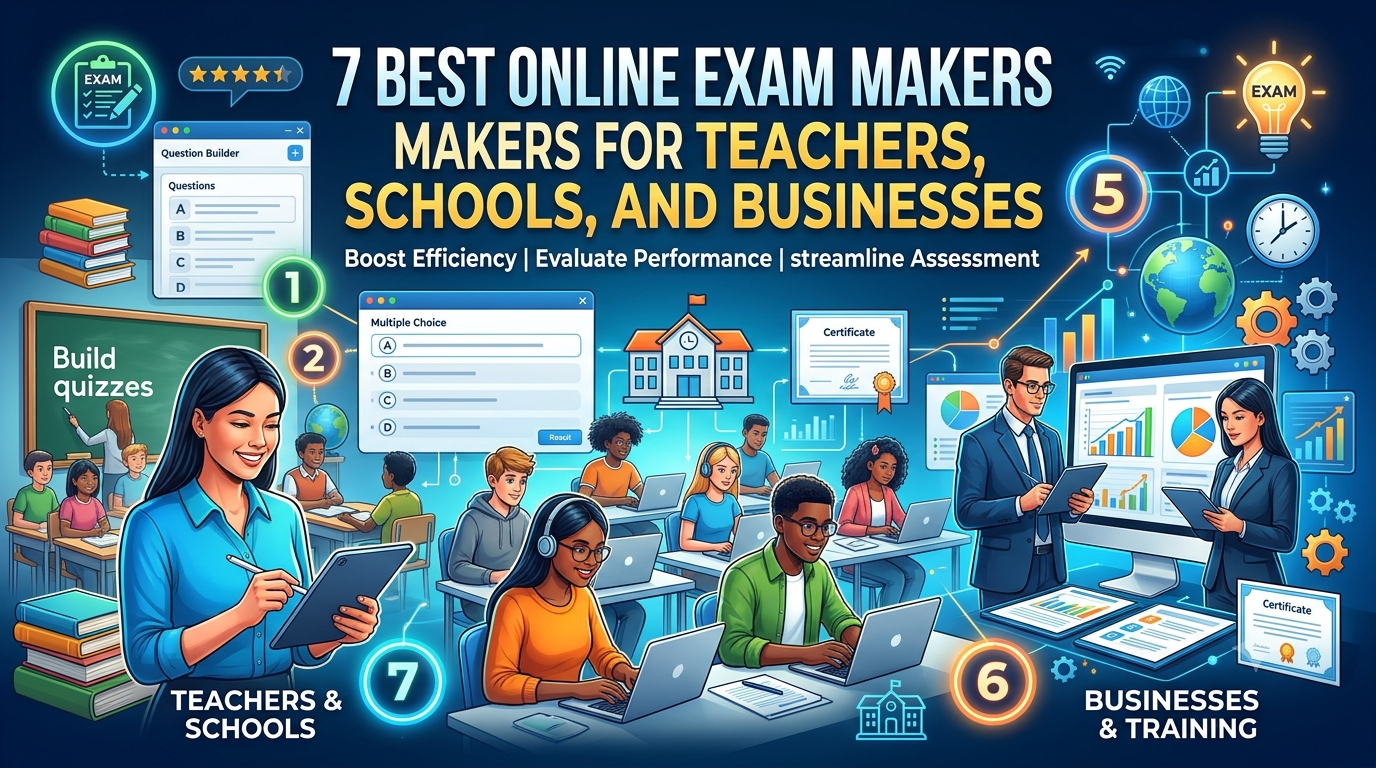
7 Best Online Exam Makers for Teachers, Schools, and Businesses
Last updated on: October 21, 2026Posted by: ExamRadar

How to pick a Bintan resort when you’ve only got 48 hours
Last updated on: September 23, 2026Posted by: ExamRadar

Features to Look for While Choosing the Best Automation Tool
Last updated on: July 15, 2026Posted by: ExamRadar
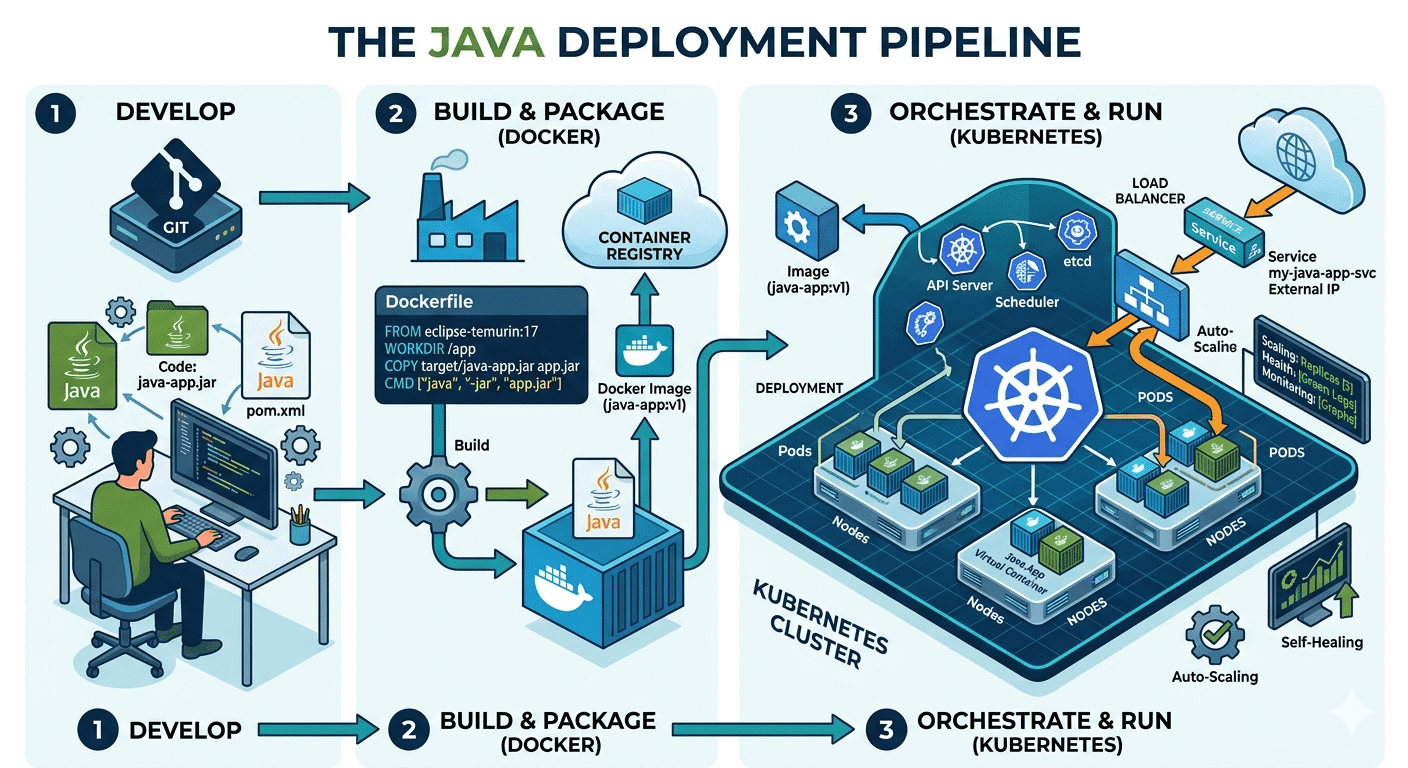
How Do Java Development Teams Use Docker and Kubernetes to Deploy Applications?
Last updated on: April 24, 2026Posted by: ExamRadar

AI vs Machine Learning: Key Differences Every Professional Should Know
Last updated on: February 13, 2026Posted by: ExamRadar

Office Cleaning Services That Elevate Sydney Offices
Last updated on: February 11, 2026Posted by: ExamRadar

What You Actually Learn About Exam Patterns From RBI Grade B Previous Year Papers?
Last updated on: February 9, 2026Posted by: ExamRadar