Question: Basic XML can be described as:
Answer:
Basic XML can be described as a markup language that uses tags to structure and define data elements in a hierarchical format. XML stands for "eXtensible Markup Language" and is designed to be both human-readable and machine-readable.
In basic XML, the data is enclosed within opening and closing tags. The opening tag starts with a less-than symbol ("<") followed by the tag name, and the closing tag starts with a less-than symbol ("/") followed by the tag name. The data or content between the opening and closing tags represents the value or information associated with that element.
For example, a basic XML structure might look like this:
```xml
<book>
<title>Harry Potter and the Philosopher's Stone</title>
<author>J.K. Rowling</author>
<year>1997</year>
</book>
```
In this example, the "book" element is the root element, and it contains child elements such as "title," "author," and "year." The text within the opening and closing tags represents the data associated with each element.
XML also allows the use of attributes within the opening tags to provide additional information about the elements. Attributes are specified with a name-value pair and are used to provide metadata or additional details about the element.
Basic XML provides a flexible and standardized way to structure and exchange data between different systems or platforms. It is commonly used in various domains, including web development, data exchange, configuration files, and data representation.
MCQ: Basic XML can be described as:
Explanation:
Basic XML can be described as a markup language that uses tags to structure and define data elements in a hierarchical format. XML stands for "eXtensible Markup Language" and is designed to be both human-readable and machine-readable.
In basic XML, the data is enclosed within opening and closing tags. The opening tag starts with a less-than symbol ("<") followed by the tag name, and the closing tag starts with a less-than symbol ("/") followed by the tag name. The data or content between the opening and closing tags represents the value or information associated with that element.
For example, a basic XML structure might look like this:
```xml
<book>
<title>Harry Potter and the Philosopher's Stone</title>
<author>J.K. Rowling</author>
<year>1997</year>
</book>
```
In this example, the "book" element is the root element, and it contains child elements such as "title," "author," and "year." The text within the opening and closing tags represents the data associated with each element.
XML also allows the use of attributes within the opening tags to provide additional information about the elements. Attributes are specified with a name-value pair and are used to provide metadata or additional details about the element.
Basic XML provides a flexible and standardized way to structure and exchange data between different systems or platforms. It is commonly used in various domains, including web development, data exchange, configuration files, and data representation.
Discuss a Question
Related Questions
- 1. WiFi is a short name for ___________
- 2. Responsibility of implementation of IT/ITeS Policy lies with
- 3. In India Subject to a ceiling of Rs. 25 crores, Capital Subsidy for Horizontal IT/ITeS Parks shall be
- 4. Match the following terms: <img src="http://examradar.com/wp-content/uploads/2017/02/web-internet-fundamental-mcq-7.png" alt="web-internet-fundamental-mcq-7" width="824" height="226" class="alignnone size-full wp-image-5283" />
- 5. In As per IT/ITeS Policy (2016-21), term BPO refers to
- 6. What is DigiLocker and What is a DigiLocker used for?
- 7. Match the following terms: Applicable to india <img src="http://examradar.com/wp-content/uploads/2017/02/web-internet-fundamental-mcq-8.png" alt="web-internet-fundamental-mcq-8" width="870" height="233" class="alignnone size-full wp-image-5284" />
- 8. Match the following terms: <img src="http://examradar.com/wp-content/uploads/2017/02/web-internet-fundamental-mcq-9.png" alt="web-internet-fundamental-mcq-9" width="829" height="196" class="alignnone size-full wp-image-5285" />
- 9. Which of the following is an anti-virus program
- 10. All of the following are examples of real security and privacy threats except:
You may be interested in:
WEB Internet Fundamental Online TestsRecently Added Articles
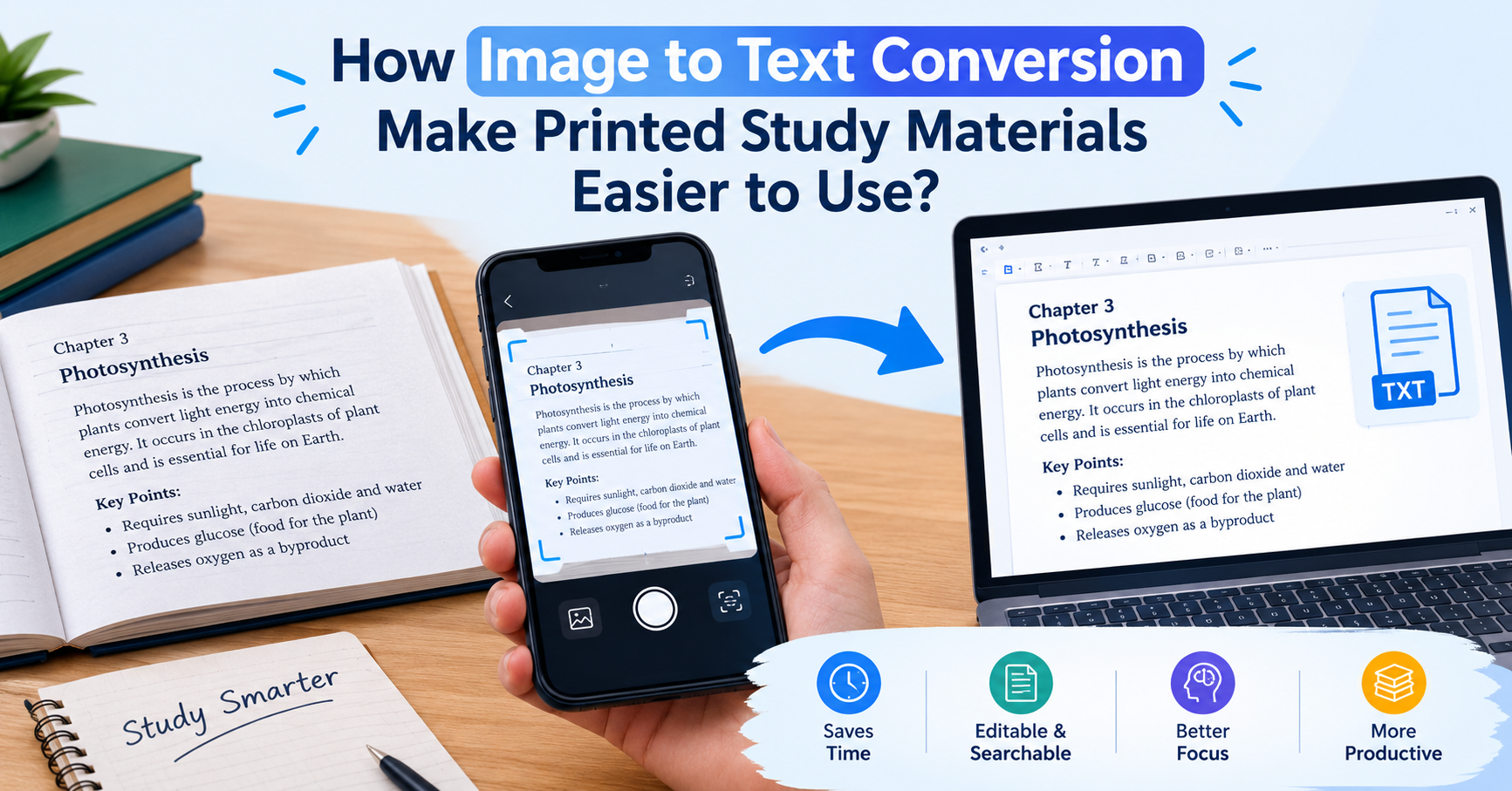
How Image to Text Conversion Make Printed Study Materials Easier to Use?
Last updated on: October 23, 2026Posted by: ExamRadar
7 Best Online Exam Makers for Teachers, Schools, and Businesses
Last updated on: October 21, 2026Posted by: ExamRadar

How to pick a Bintan resort when you’ve only got 48 hours
Last updated on: September 23, 2026Posted by: ExamRadar

Features to Look for While Choosing the Best Automation Tool
Last updated on: July 15, 2026Posted by: ExamRadar
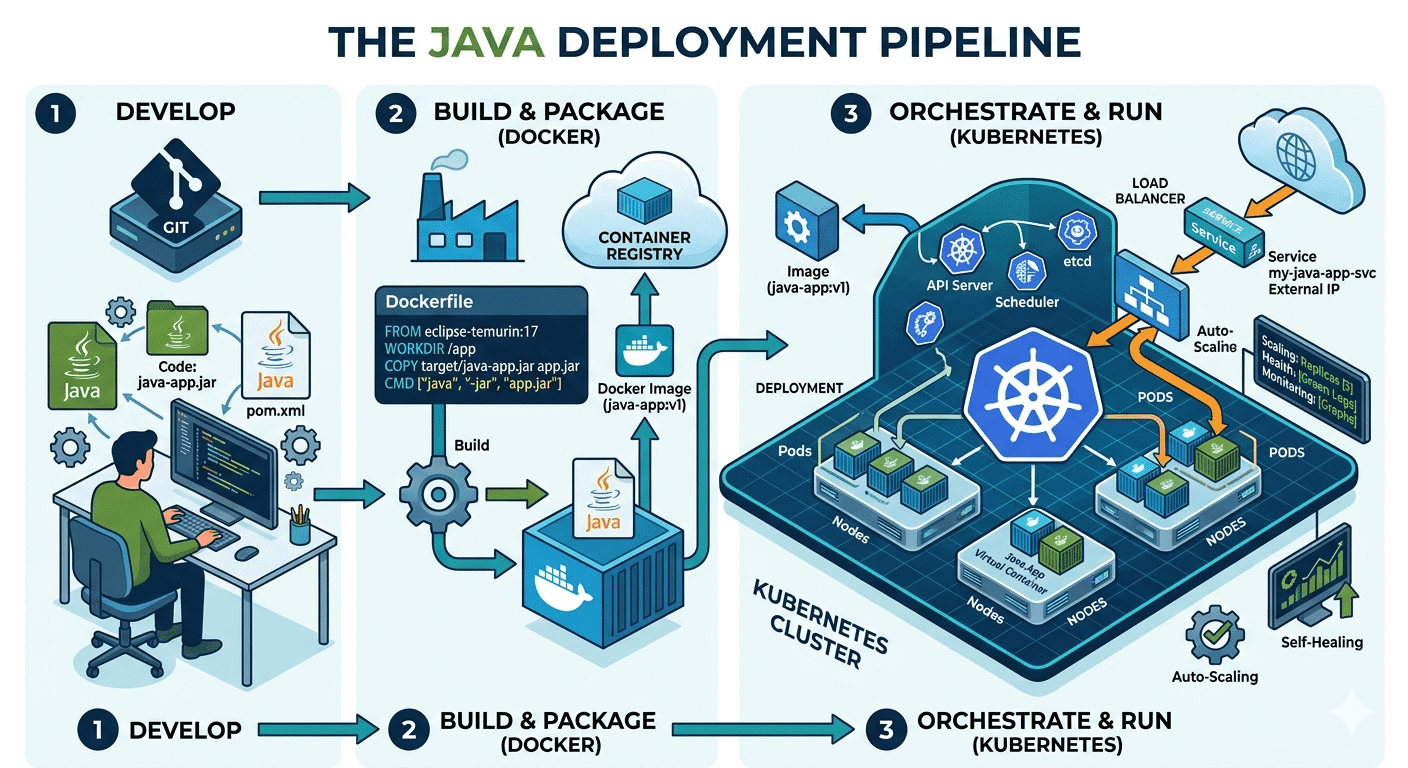
How Do Java Development Teams Use Docker and Kubernetes to Deploy Applications?
Last updated on: April 24, 2026Posted by: ExamRadar

AI vs Machine Learning: Key Differences Every Professional Should Know
Last updated on: February 13, 2026Posted by: ExamRadar

Office Cleaning Services That Elevate Sydney Offices
Last updated on: February 11, 2026Posted by: ExamRadar
What You Actually Learn About Exam Patterns From RBI Grade B Previous Year Papers?
Last updated on: February 9, 2026Posted by: ExamRadar