Question: The output quality of a printer is measured by
Answer:
The output quality of a printer is typically measured by resolution and print quality.
1. Resolution: Resolution refers to the level of detail and clarity in the printed output. It is usually measured in dots per inch (dpi) and indicates the number of dots or pixels that can be printed per inch. A higher resolution means more dots per inch, resulting in sharper and more detailed prints.
2. Print Quality: Print quality encompasses various factors that determine the overall appearance and accuracy of the printed output. It includes aspects such as color accuracy, color vibrancy, sharpness of text and images, smoothness of gradients, and absence of artifacts like banding or pixelation. Print quality can be subjective and may vary depending on the printer technology, ink or toner quality, and the media being printed on (e.g., plain paper, photo paper).
Additional factors that can contribute to the output quality of a printer include the type of printer technology used (e.g., inkjet, laser), the color gamut (range of colors) supported, the ink or toner formulation, and the printer's ability to reproduce accurate colors and gradients.
It's important to note that the output quality of a printer can vary between different models and brands, so it's advisable to consider reviews, sample prints, and specifications to determine the desired level of quality for a specific printing application.
MCQ: The output quality of a printer is measured by
Explanation:
The output quality of a printer is typically measured by resolution and print quality.
1. Resolution: Resolution refers to the level of detail and clarity in the printed output. It is usually measured in dots per inch (dpi) and indicates the number of dots or pixels that can be printed per inch. A higher resolution means more dots per inch, resulting in sharper and more detailed prints.
2. Print Quality: Print quality encompasses various factors that determine the overall appearance and accuracy of the printed output. It includes aspects such as color accuracy, color vibrancy, sharpness of text and images, smoothness of gradients, and absence of artifacts like banding or pixelation. Print quality can be subjective and may vary depending on the printer technology, ink or toner quality, and the media being printed on (e.g., plain paper, photo paper).
Additional factors that can contribute to the output quality of a printer include the type of printer technology used (e.g., inkjet, laser), the color gamut (range of colors) supported, the ink or toner formulation, and the printer's ability to reproduce accurate colors and gradients.
It's important to note that the output quality of a printer can vary between different models and brands, so it's advisable to consider reviews, sample prints, and specifications to determine the desired level of quality for a specific printing application.
Discuss a Question
Related Questions
- 1. In analogue computer
- 2. In latest generation computers, the instructions are executed
- 3. Who designed the first electronics computer – ENIAC?
- 4. Who invented the high level language “C”?
- 5. Personnel who design, program, operate and maintain computer equipment refers to
- 6. When did arch rivals IBM and Apple Computers Inc. decide to join hands?
- 7. Human beings are referred to as Homosapinens, which device is called Sillico Sapiens?
- 8. An error in software or hardware is called a bug. What is the alternative computer jargon for it?
- 9. Modern Computer are very reliable but they are not
- 10. What is the name of the display feature that highlights are of the screen which requires operator attention?
You may be interested in:
Computer Basics MCQsRecently Added Articles

How Image to Text Conversion Make Printed Study Materials Easier to Use?
Last updated on: October 23, 2026Posted by: ExamRadar

7 Best Online Exam Makers for Teachers, Schools, and Businesses
Last updated on: October 21, 2026Posted by: ExamRadar

How to pick a Bintan resort when you’ve only got 48 hours
Last updated on: September 23, 2026Posted by: ExamRadar
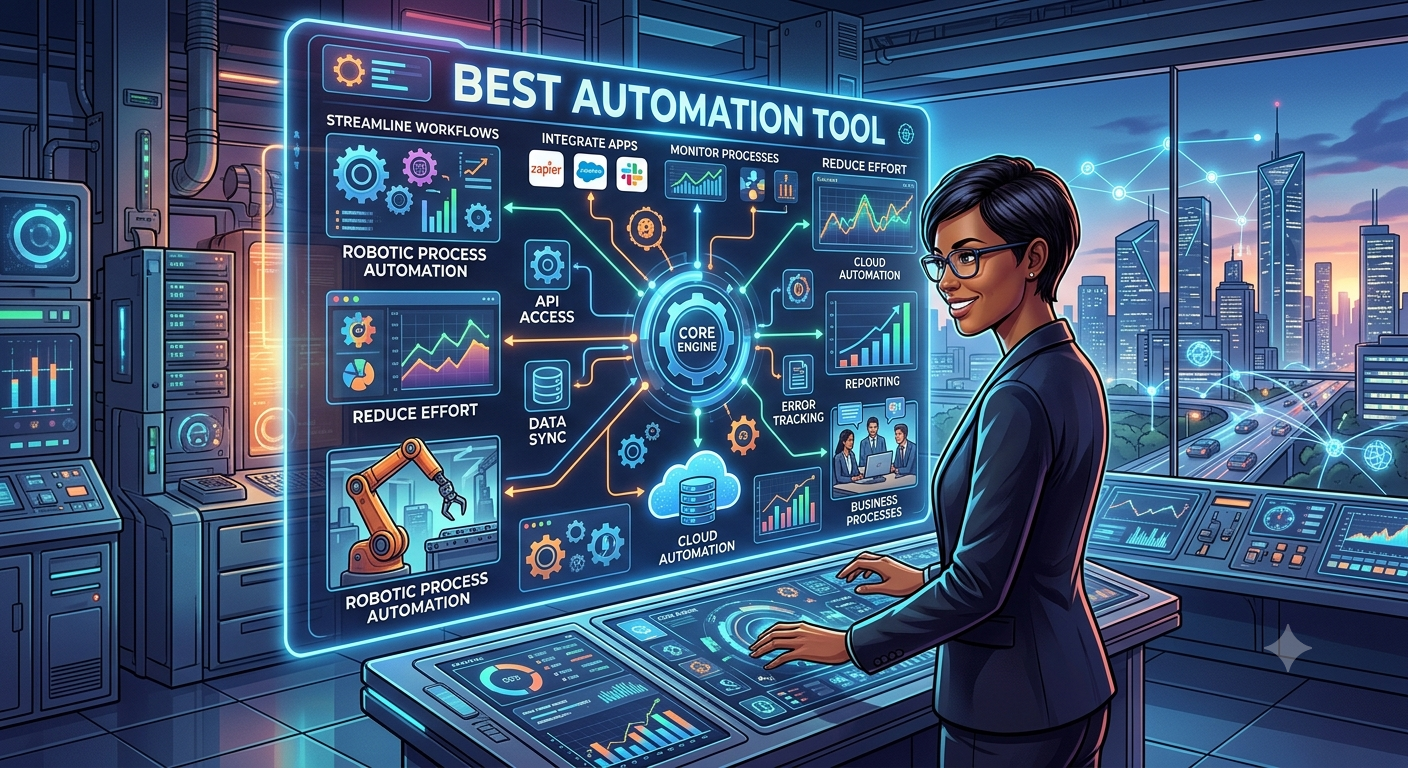
Features to Look for While Choosing the Best Automation Tool
Last updated on: July 15, 2026Posted by: ExamRadar
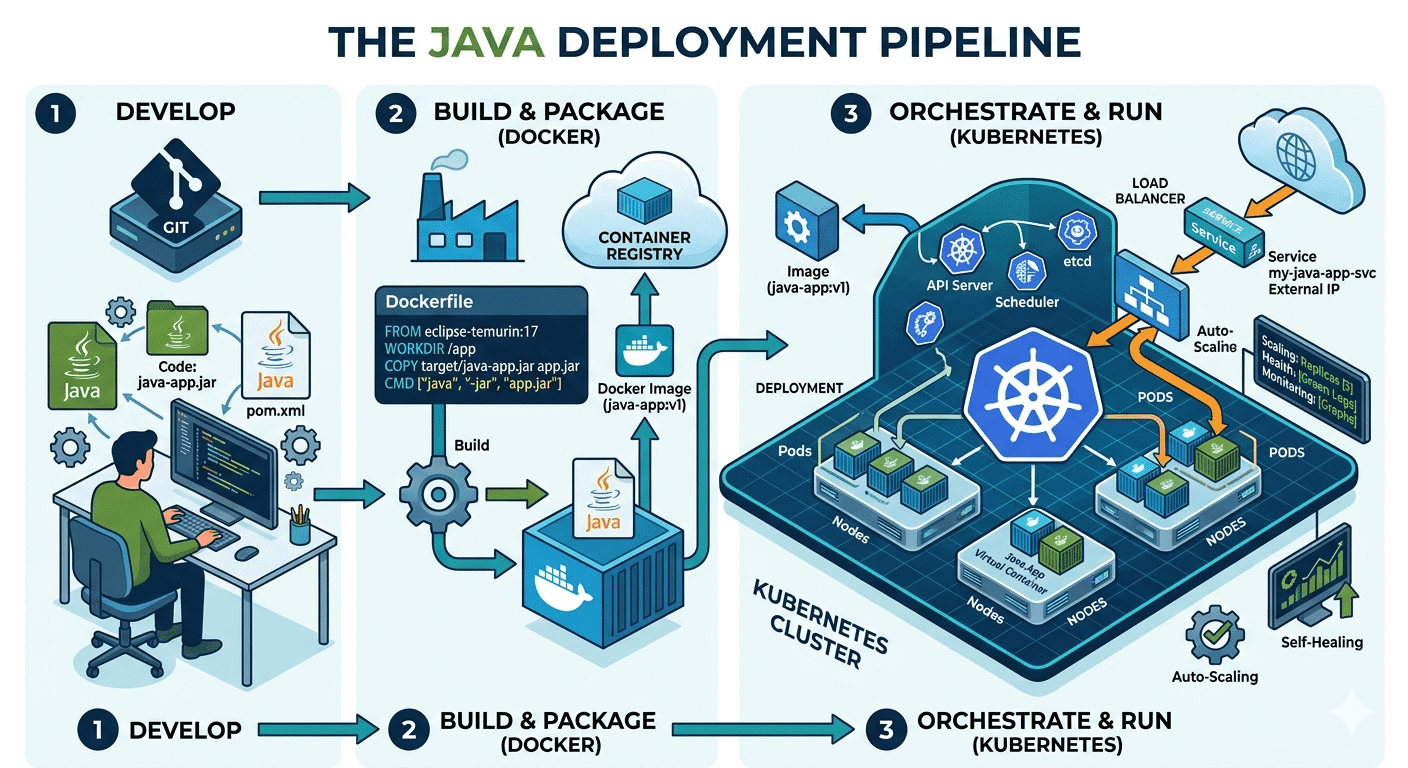
How Do Java Development Teams Use Docker and Kubernetes to Deploy Applications?
Last updated on: April 24, 2026Posted by: ExamRadar

AI vs Machine Learning: Key Differences Every Professional Should Know
Last updated on: February 13, 2026Posted by: ExamRadar

Office Cleaning Services That Elevate Sydney Offices
Last updated on: February 11, 2026Posted by: ExamRadar

What You Actually Learn About Exam Patterns From RBI Grade B Previous Year Papers?
Last updated on: February 9, 2026Posted by: ExamRadar