Question: When did arch rivals IBM and Apple Computers Inc. decide to join hands?
Answer:
IBM and Apple Computers Inc. joined hands in the year 1991.
In July 1991, IBM and Apple announced a historic collaboration known as the "Apple-IBM Alliance." The partnership aimed to combine their respective strengths and technologies to develop and market personal computer products for business customers.
Under this alliance, IBM agreed to use Apple's Macintosh operating system (at that time, System 7) in their line of personal computers, known as the IBM PS/1 and IBM PS/2. This move allowed IBM to offer a user-friendly graphical interface and software compatibility with Macintosh applications.
On the other hand, Apple agreed to adopt IBM's PowerPC processor architecture as the foundation for their future Macintosh computers. The PowerPC processors, jointly developed by IBM, Motorola, and Apple, offered improved performance and power efficiency compared to the previous generation of processors used in Macintosh computers.
The collaboration between IBM and Apple was seen as a significant development in the computer industry, as it brought together two prominent companies that were previously considered rivals. The partnership aimed to leverage their complementary strengths and resources to compete more effectively against other industry players, such as Microsoft and Intel.
However, it's worth noting that this alliance was not a merger or acquisition between IBM and Apple. Rather, it was a strategic partnership focused on specific areas of collaboration while maintaining their separate corporate identities and product lines.
MCQ: When did arch rivals IBM and Apple Computers Inc. decide to join hands?
Explanation:
IBM and Apple Computers Inc. joined hands in the year 1991.
In July 1991, IBM and Apple announced a historic collaboration known as the "Apple-IBM Alliance." The partnership aimed to combine their respective strengths and technologies to develop and market personal computer products for business customers.
Under this alliance, IBM agreed to use Apple's Macintosh operating system (at that time, System 7) in their line of personal computers, known as the IBM PS/1 and IBM PS/2. This move allowed IBM to offer a user-friendly graphical interface and software compatibility with Macintosh applications.
On the other hand, Apple agreed to adopt IBM's PowerPC processor architecture as the foundation for their future Macintosh computers. The PowerPC processors, jointly developed by IBM, Motorola, and Apple, offered improved performance and power efficiency compared to the previous generation of processors used in Macintosh computers.
The collaboration between IBM and Apple was seen as a significant development in the computer industry, as it brought together two prominent companies that were previously considered rivals. The partnership aimed to leverage their complementary strengths and resources to compete more effectively against other industry players, such as Microsoft and Intel.
However, it's worth noting that this alliance was not a merger or acquisition between IBM and Apple. Rather, it was a strategic partnership focused on specific areas of collaboration while maintaining their separate corporate identities and product lines.
Discuss a Question
Related Questions
- 1. Human beings are referred to as Homosapinens, which device is called Sillico Sapiens?
- 2. An error in software or hardware is called a bug. What is the alternative computer jargon for it?
- 3. Modern Computer are very reliable but they are not
- 4. What is the name of the display feature that highlights are of the screen which requires operator attention?
- 5. Personal computers use a number of chips mounted on a main circuit board. What is the common name for such boards?
- 6. In most IBM PCs, the CPU, the device drives, memory expansion slots and active components are mounted on a single board. What is the name of this board?
- 7. What is meant by a dedicated computer?
- 8. The system unit of a personal computer typically contains all of the following except:
- 9. A computer program that converts an entire program into machine language is called a/an
- 10. A computer program that translates one program instructions at a time into machine language
You may be interested in:
Computer Basics MCQsRecently Added Articles
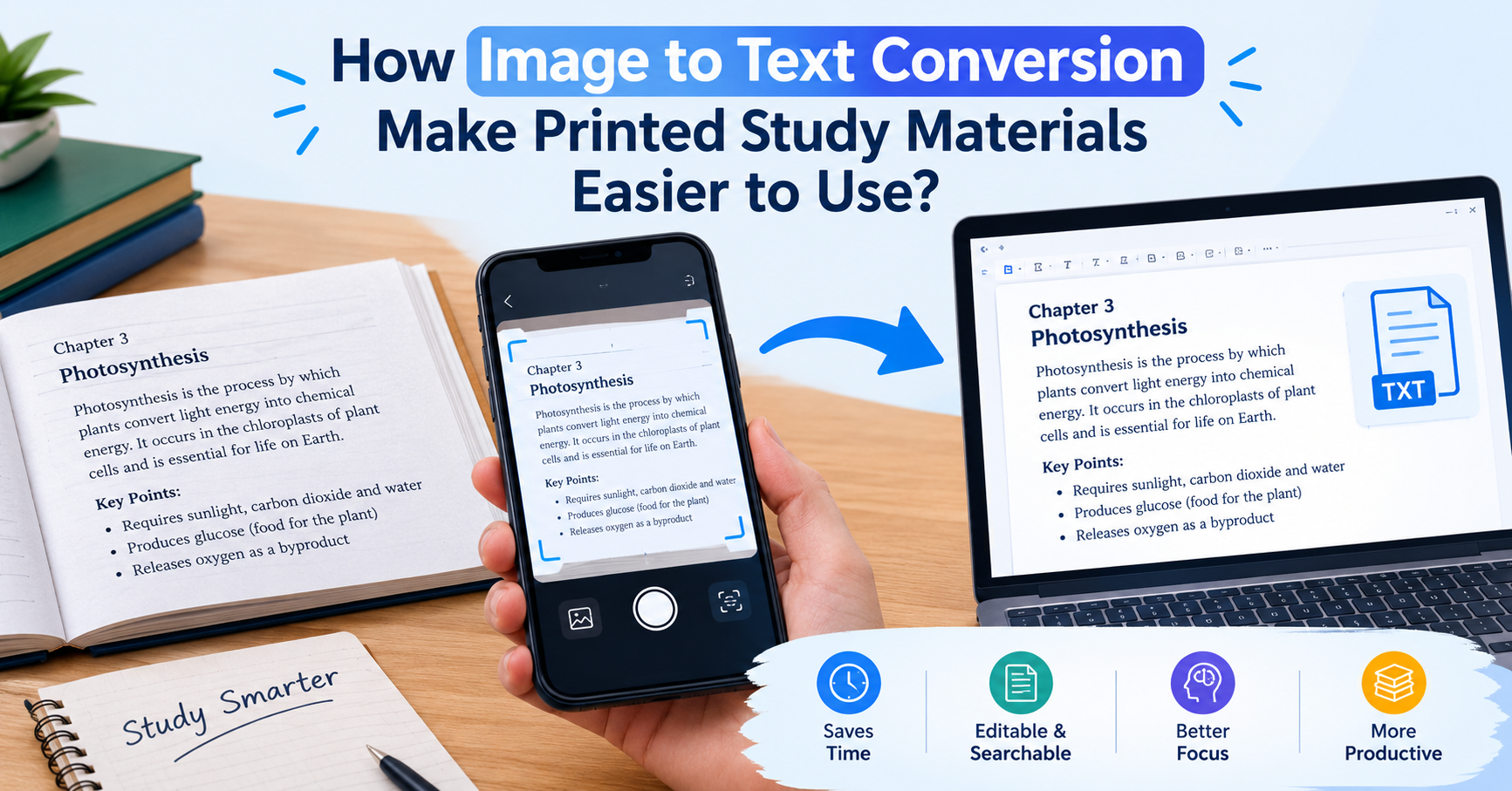
How Image to Text Conversion Make Printed Study Materials Easier to Use?
Last updated on: October 23, 2026Posted by: ExamRadar
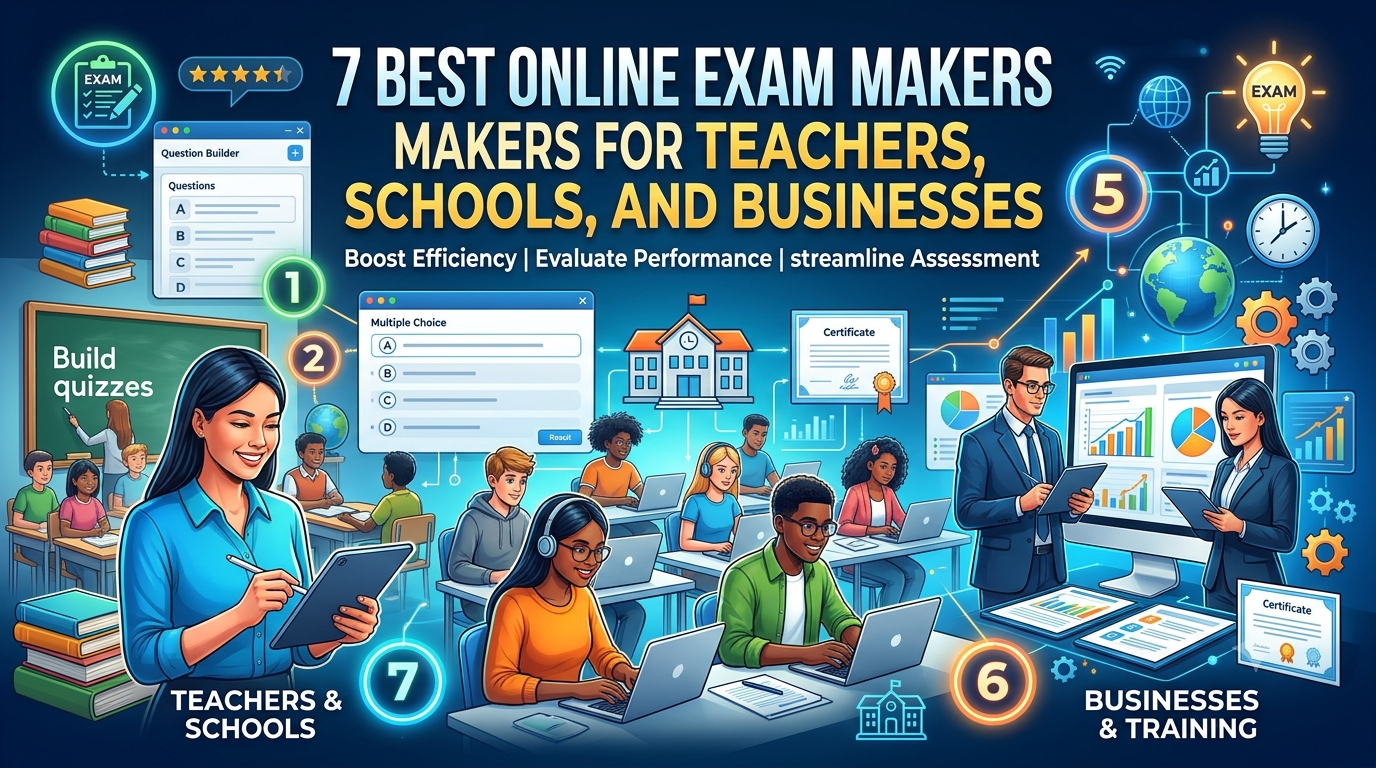
7 Best Online Exam Makers for Teachers, Schools, and Businesses
Last updated on: October 21, 2026Posted by: ExamRadar

How to pick a Bintan resort when you’ve only got 48 hours
Last updated on: September 23, 2026Posted by: ExamRadar
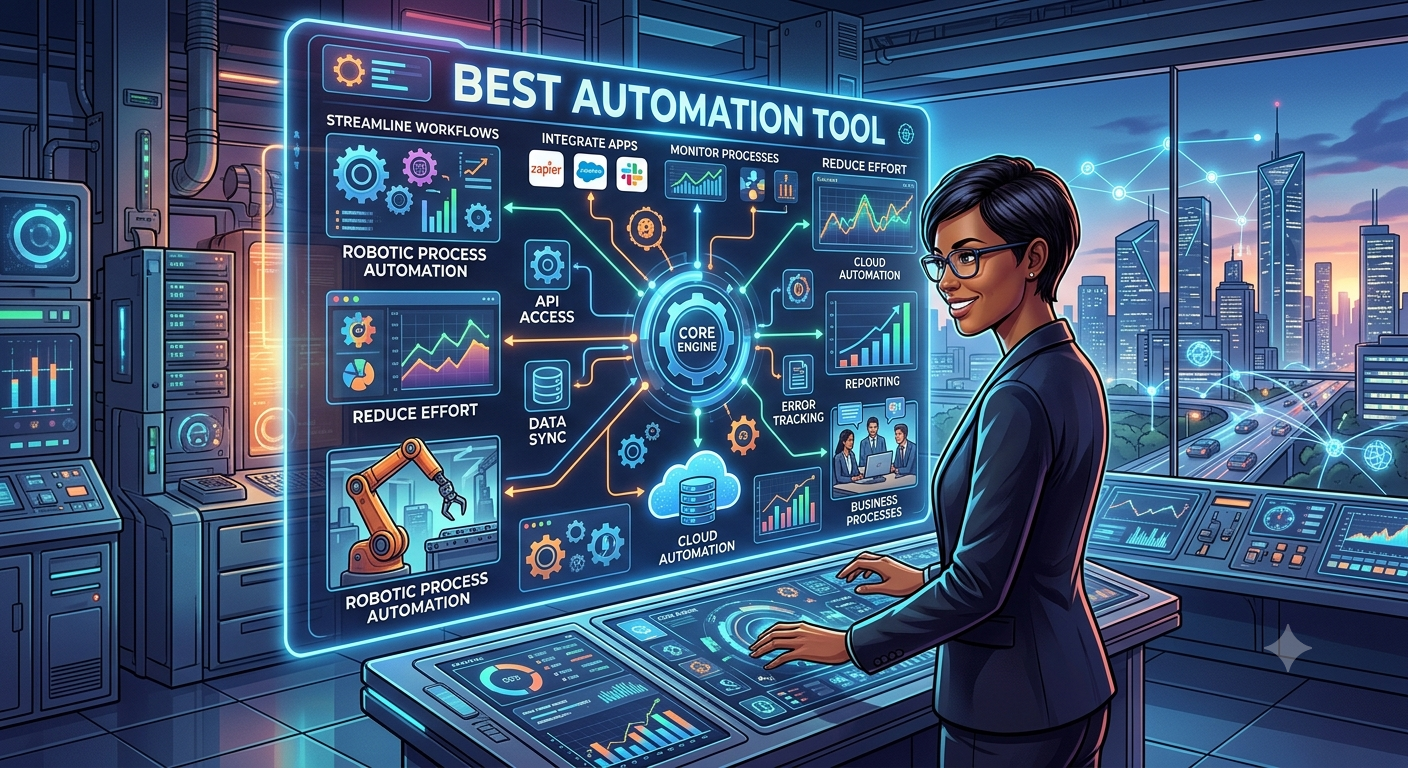
Features to Look for While Choosing the Best Automation Tool
Last updated on: July 15, 2026Posted by: ExamRadar
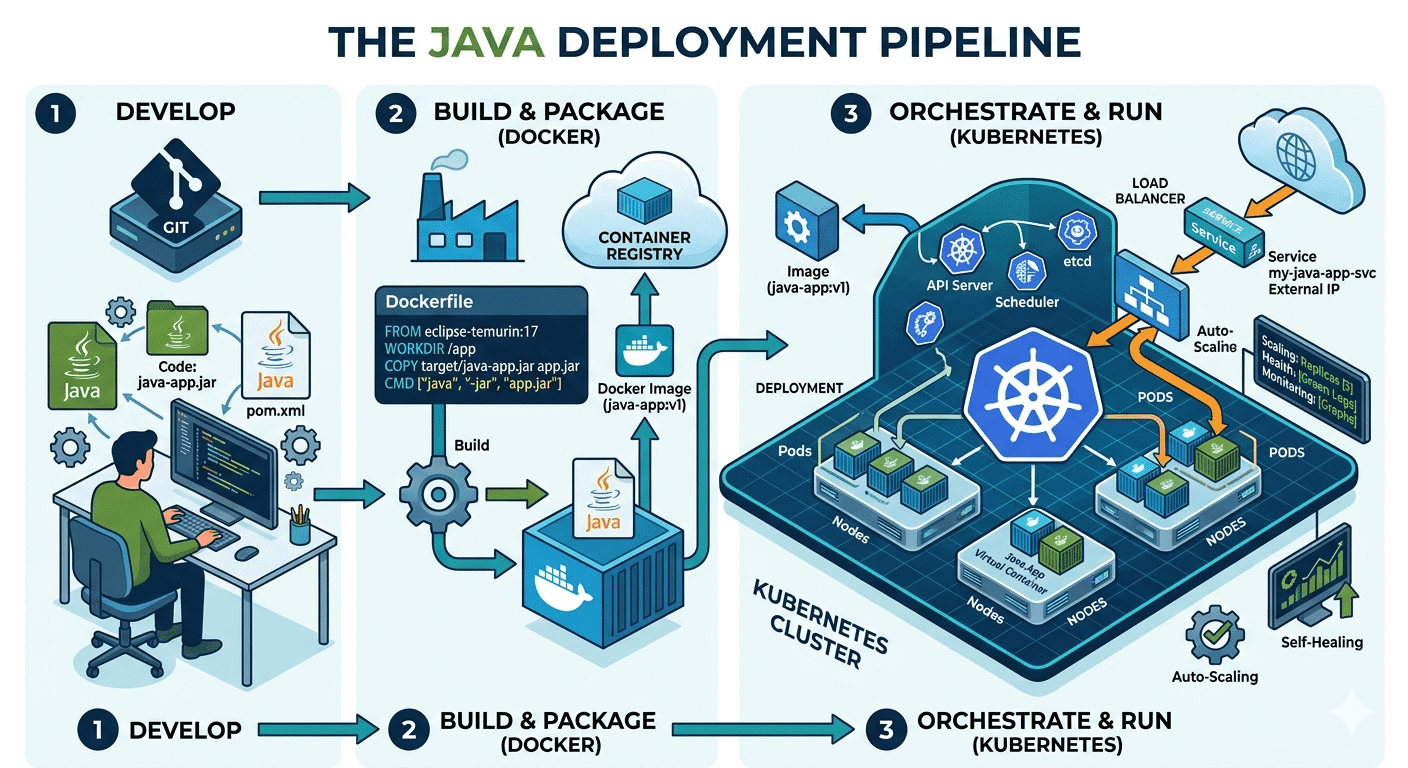
How Do Java Development Teams Use Docker and Kubernetes to Deploy Applications?
Last updated on: April 24, 2026Posted by: ExamRadar

AI vs Machine Learning: Key Differences Every Professional Should Know
Last updated on: February 13, 2026Posted by: ExamRadar

Office Cleaning Services That Elevate Sydney Offices
Last updated on: February 11, 2026Posted by: ExamRadar

What You Actually Learn About Exam Patterns From RBI Grade B Previous Year Papers?
Last updated on: February 9, 2026Posted by: ExamRadar