Question: A computer program that converts an entire program into machine language is called a/an
Answer:
A computer program that converts an entire program into machine language is called a "compiler."
A compiler is a software tool that translates source code written in a high-level programming language (such as C, C++, Java) into machine code or executable code that can be directly executed by a computer's hardware. The compilation process involves several stages, including lexical analysis, syntax analysis, semantic analysis, code optimization, and code generation.
The compiler takes the entire program as input, analyzes its structure and syntax, checks for errors or inconsistencies, and generates the corresponding machine code or executable file. This machine code can then be run by the computer's processor without the need for further translation.
The purpose of a compiler is to bridge the gap between human-readable programming languages and the machine language understood by the computer's hardware. It allows programmers to write code in a high-level language that is more human-friendly and expressive, while still enabling efficient execution on the underlying computer system.
In contrast to a compiler, an "interpreter" is another type of program that translates and executes source code line by line, rather than converting the entire program into machine code upfront. Interpreters execute the program directly without generating a separate executable file.
MCQ: A computer program that converts an entire program into machine language is called a/an
Explanation:
A computer program that converts an entire program into machine language is called a "compiler."
A compiler is a software tool that translates source code written in a high-level programming language (such as C, C++, Java) into machine code or executable code that can be directly executed by a computer's hardware. The compilation process involves several stages, including lexical analysis, syntax analysis, semantic analysis, code optimization, and code generation.
The compiler takes the entire program as input, analyzes its structure and syntax, checks for errors or inconsistencies, and generates the corresponding machine code or executable file. This machine code can then be run by the computer's processor without the need for further translation.
The purpose of a compiler is to bridge the gap between human-readable programming languages and the machine language understood by the computer's hardware. It allows programmers to write code in a high-level language that is more human-friendly and expressive, while still enabling efficient execution on the underlying computer system.
In contrast to a compiler, an "interpreter" is another type of program that translates and executes source code line by line, rather than converting the entire program into machine code upfront. Interpreters execute the program directly without generating a separate executable file.
Discuss a Question
Related Questions
- 1. A computer program that translates one program instructions at a time into machine language
- 2. A small or intelligent device is so called because it contains within it a
- 3. A fault in a computer program which prevents it from working correctly is known as
- 4. A self replicating program, similar to a virus which was taken from a 1970s science fiction novel by John Bruner entitled the Shockwave Rider is
- 5. A state. is a bi-stable electronic circuit that has
- 6. Unwanted repetitious messages, such as unsolicited bulk e-mail is known as
- 7. DOS stands for
- 8. Who is the chief of Microsoft
- 9. Which of the following are input devices?
- 10. Examples of output devices are
You may be interested in:
Computer Basics MCQsRecently Added Articles

How Image to Text Conversion Make Printed Study Materials Easier to Use?
Last updated on: October 23, 2026Posted by: ExamRadar
7 Best Online Exam Makers for Teachers, Schools, and Businesses
Last updated on: October 21, 2026Posted by: ExamRadar

How to pick a Bintan resort when you’ve only got 48 hours
Last updated on: September 23, 2026Posted by: ExamRadar
Features to Look for While Choosing the Best Automation Tool
Last updated on: July 15, 2026Posted by: ExamRadar
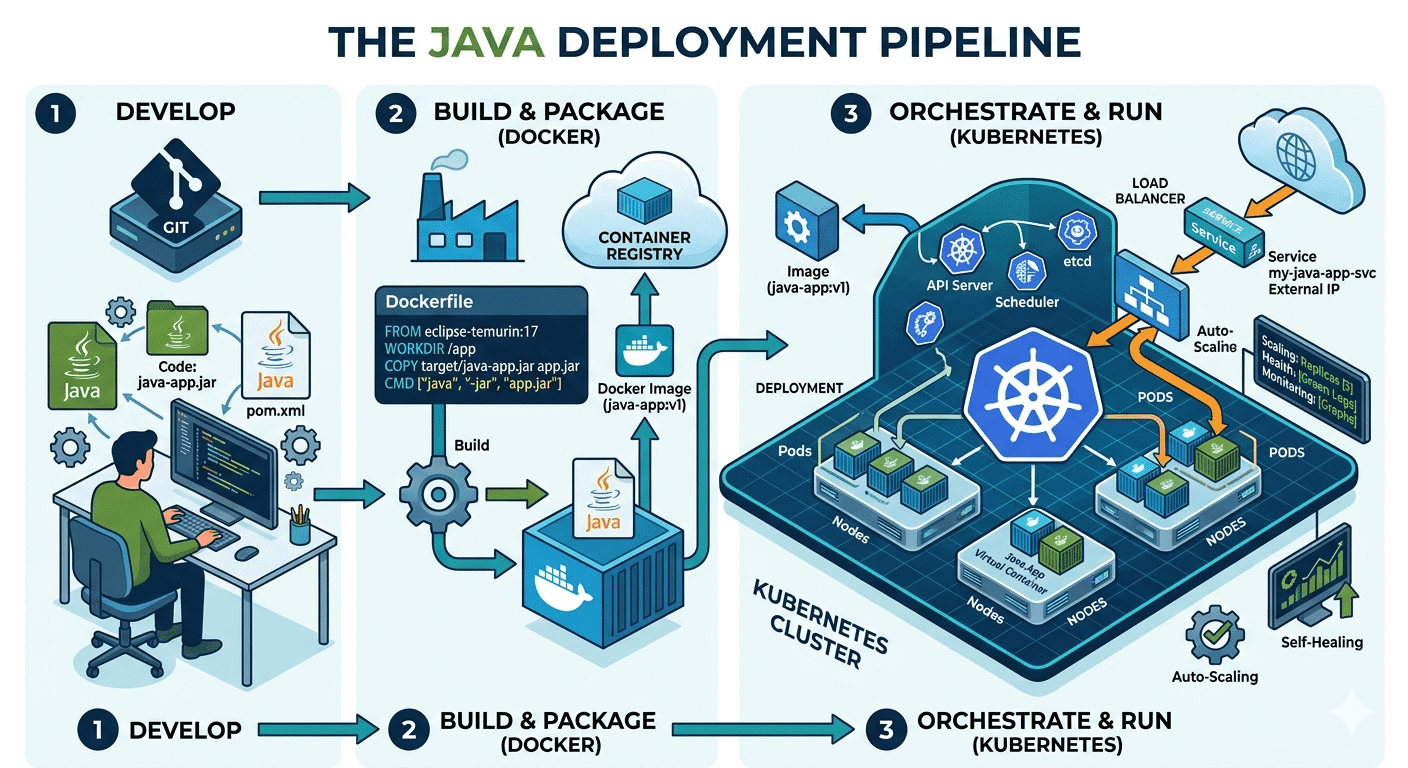
How Do Java Development Teams Use Docker and Kubernetes to Deploy Applications?
Last updated on: April 24, 2026Posted by: ExamRadar

AI vs Machine Learning: Key Differences Every Professional Should Know
Last updated on: February 13, 2026Posted by: ExamRadar

Office Cleaning Services That Elevate Sydney Offices
Last updated on: February 11, 2026Posted by: ExamRadar

What You Actually Learn About Exam Patterns From RBI Grade B Previous Year Papers?
Last updated on: February 9, 2026Posted by: ExamRadar