Question: Which of the following contains permanent data and gets updated during the processing of transactions?
Answer:
A master file is a type of computer file that contains primary, persistent, and central data for a specific application or system. It serves as a core repository of essential information that is regularly updated and maintained.
The characteristics of a master file include:
1. Primary Data: A master file contains primary data that is critical to the functioning of a particular system or application. It typically holds core information, such as customer details, inventory records, employee information, or financial data.
2. Persistence: Master files are designed to retain data over an extended period, allowing for long-term storage and retrieval of essential information. They are not intended for temporary or transient data.
3. Centralized: Master files act as a central repository of data, providing a single source of truth for the specific application or system. They ensure consistency and uniformity by consolidating and organizing relevant data in one location.
4. Regular Updates: Master files are subject to regular updates and modifications as new data is added, existing data is modified, or outdated data is removed. These updates ensure the accuracy and currency of the information stored in the file.
5. Integration: Master files often serve as a reference point for other files or components within an application or system. They can be referenced and utilized by other files or modules to provide a comprehensive and coherent view of the data.
Examples of master files include:
- Customer Master File: Contains information about customers, including names, addresses, contact details, and purchasing history.
- Product Master File: Stores details of products or items, such as descriptions, prices, quantities, and inventory levels.
- Employee Master File: Holds employee-related information, such as names, positions, contact details, salaries, and employment history.
- Financial Master File: Includes financial data, such as balance sheets, income statements, general ledger accounts, and transaction records.
Master files play a crucial role in maintaining the integrity and consistency of data within an application or system. They provide a foundation for various processes, reporting, and decision-making within organizations.
MCQ: Which of the following contains permanent data and gets updated during the processing of transactions?
Explanation:
A master file is a type of computer file that contains primary, persistent, and central data for a specific application or system. It serves as a core repository of essential information that is regularly updated and maintained.
The characteristics of a master file include:
1. Primary Data: A master file contains primary data that is critical to the functioning of a particular system or application. It typically holds core information, such as customer details, inventory records, employee information, or financial data.
2. Persistence: Master files are designed to retain data over an extended period, allowing for long-term storage and retrieval of essential information. They are not intended for temporary or transient data.
3. Centralized: Master files act as a central repository of data, providing a single source of truth for the specific application or system. They ensure consistency and uniformity by consolidating and organizing relevant data in one location.
4. Regular Updates: Master files are subject to regular updates and modifications as new data is added, existing data is modified, or outdated data is removed. These updates ensure the accuracy and currency of the information stored in the file.
5. Integration: Master files often serve as a reference point for other files or components within an application or system. They can be referenced and utilized by other files or modules to provide a comprehensive and coherent view of the data.
Examples of master files include:
- Customer Master File: Contains information about customers, including names, addresses, contact details, and purchasing history.
- Product Master File: Stores details of products or items, such as descriptions, prices, quantities, and inventory levels.
- Employee Master File: Holds employee-related information, such as names, positions, contact details, salaries, and employment history.
- Financial Master File: Includes financial data, such as balance sheets, income statements, general ledger accounts, and transaction records.
Master files play a crucial role in maintaining the integrity and consistency of data within an application or system. They provide a foundation for various processes, reporting, and decision-making within organizations.
Discuss a Question
Related Questions
- 1. Which of the following helps to protect floppy disks from data getting accidentally erased?
- 2. A modem is connected to
- 3. Large transaction processing systems in automated organisations use
- 4. In a computer, most processing takes place in
- 5. Which of the following is not a storage medium?
- 6. The computer abbreviation KB usually means
- 7. The typical computer criminal is a(n):
- 8. The common name for the crime of stealing passwords is:
- 9. Collecting personal information and effectively posing as another individual is known as the crime of:
- 10. Malicious software is known as:
You may be interested in:
Computer Basics MCQsRecently Added Articles

How Image to Text Conversion Make Printed Study Materials Easier to Use?
Last updated on: October 23, 2026Posted by: ExamRadar

7 Best Online Exam Makers for Teachers, Schools, and Businesses
Last updated on: October 21, 2026Posted by: ExamRadar

How to pick a Bintan resort when you’ve only got 48 hours
Last updated on: September 23, 2026Posted by: ExamRadar

Features to Look for While Choosing the Best Automation Tool
Last updated on: July 15, 2026Posted by: ExamRadar
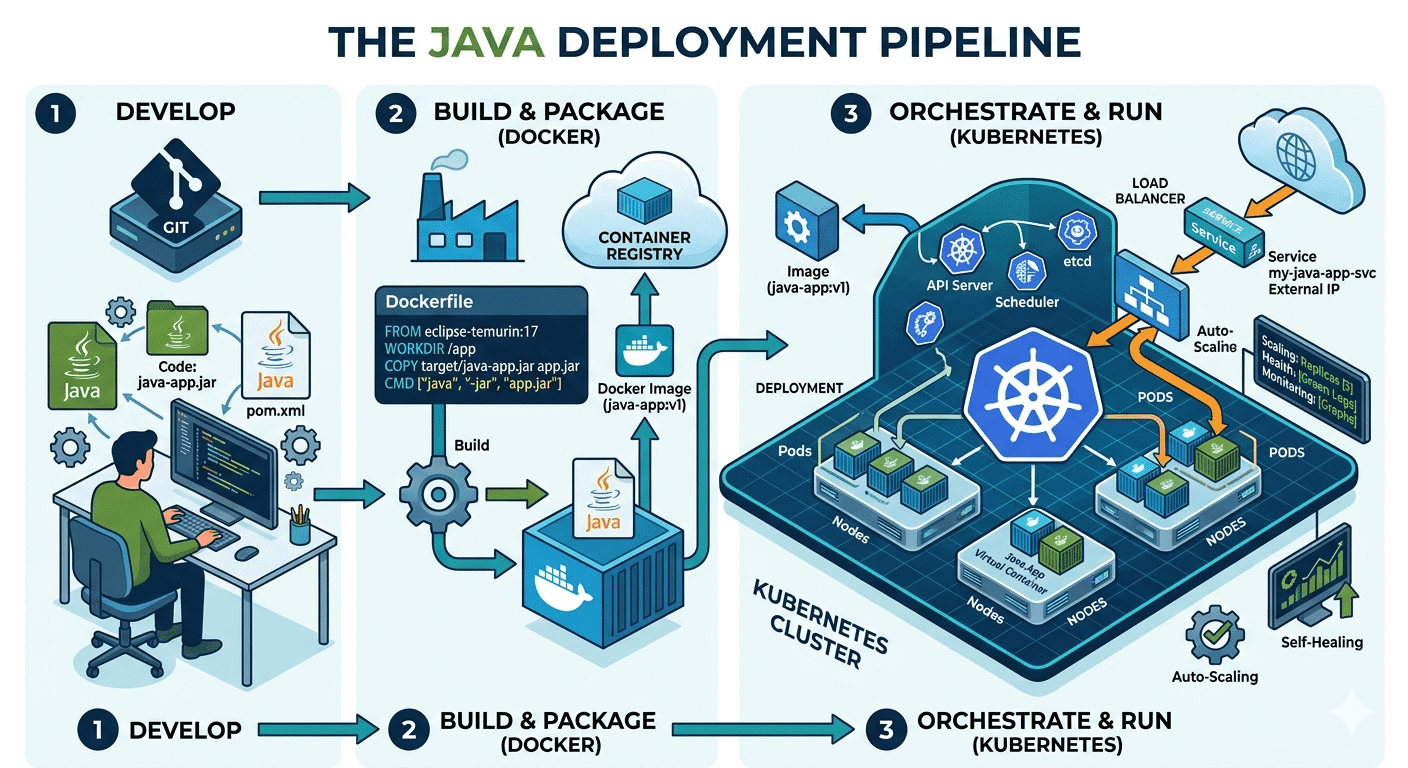
How Do Java Development Teams Use Docker and Kubernetes to Deploy Applications?
Last updated on: April 24, 2026Posted by: ExamRadar

AI vs Machine Learning: Key Differences Every Professional Should Know
Last updated on: February 13, 2026Posted by: ExamRadar

Office Cleaning Services That Elevate Sydney Offices
Last updated on: February 11, 2026Posted by: ExamRadar

What You Actually Learn About Exam Patterns From RBI Grade B Previous Year Papers?
Last updated on: February 9, 2026Posted by: ExamRadar