Question: Large transaction processing systems in automated organisations use
Answer:
Batch processing is a method of data processing where a group of transactions or data records is collected over a period of time and processed together as a batch. In batch processing, data is typically processed without user interaction or in real-time, and the processing occurs in a sequential manner.
Here are some key characteristics and benefits of batch processing:
1. Collection of Data: Batch processing involves collecting a set of data or transactions over a period of time. This data can be collected from various sources, such as databases, files, or external systems.
2. Processing in Batches: Once a sufficient amount of data is gathered, it is processed as a batch. The batch can contain multiple transactions or records that are processed together.
3. Scheduled Execution: Batch processing is often scheduled to run at specific times or intervals, such as overnight or during periods of low system activity. This allows organizations to make the most efficient use of computing resources and minimize disruption to regular business operations.
4. No User Interaction: Batch processing is typically automated and does not require user interaction during the processing phase. It allows for the efficient handling of large volumes of data without manual intervention.
5. Sequential Processing: Batch processing follows a sequential order, where each transaction or record in the batch is processed one after another. This approach simplifies the programming and ensures the order and integrity of the processed data.
6. Resource Optimization: Batch processing can optimize system resources by processing a large amount of data in a single batch. It reduces overhead associated with transaction initiation, communication, and context switching between tasks.
7. Error Handling: Batch processing includes error handling mechanisms to handle exceptions or errors that may occur during the processing. Error records can be logged or processed separately for manual intervention or further investigation.
Batch processing is commonly used in various industries and applications, such as billing systems, payroll processing, data analysis, report generation, and large-scale data transformations. It allows organizations to efficiently process and manage high volumes of data in a controlled and automated manner.
MCQ: Large transaction processing systems in automated organisations use
Explanation:
Batch processing is a method of data processing where a group of transactions or data records is collected over a period of time and processed together as a batch. In batch processing, data is typically processed without user interaction or in real-time, and the processing occurs in a sequential manner.
Here are some key characteristics and benefits of batch processing:
1. Collection of Data: Batch processing involves collecting a set of data or transactions over a period of time. This data can be collected from various sources, such as databases, files, or external systems.
2. Processing in Batches: Once a sufficient amount of data is gathered, it is processed as a batch. The batch can contain multiple transactions or records that are processed together.
3. Scheduled Execution: Batch processing is often scheduled to run at specific times or intervals, such as overnight or during periods of low system activity. This allows organizations to make the most efficient use of computing resources and minimize disruption to regular business operations.
4. No User Interaction: Batch processing is typically automated and does not require user interaction during the processing phase. It allows for the efficient handling of large volumes of data without manual intervention.
5. Sequential Processing: Batch processing follows a sequential order, where each transaction or record in the batch is processed one after another. This approach simplifies the programming and ensures the order and integrity of the processed data.
6. Resource Optimization: Batch processing can optimize system resources by processing a large amount of data in a single batch. It reduces overhead associated with transaction initiation, communication, and context switching between tasks.
7. Error Handling: Batch processing includes error handling mechanisms to handle exceptions or errors that may occur during the processing. Error records can be logged or processed separately for manual intervention or further investigation.
Batch processing is commonly used in various industries and applications, such as billing systems, payroll processing, data analysis, report generation, and large-scale data transformations. It allows organizations to efficiently process and manage high volumes of data in a controlled and automated manner.
Discuss a Question
Related Questions
- 1. In a computer, most processing takes place in
- 2. Which of the following is not a storage medium?
- 3. The computer abbreviation KB usually means
- 4. The typical computer criminal is a(n):
- 5. The common name for the crime of stealing passwords is:
- 6. Collecting personal information and effectively posing as another individual is known as the crime of:
- 7. Malicious software is known as:
- 8. A program that performs a useful task while simultaneously allowing destructive acts is
- 9. An intentionally disruptive program that spreads from program to program or from disk to disk is known as a:
- 10. In 1999, the Melissa virus was a widely publicised:
You may be interested in:
Computer Basics MCQsRecently Added Articles

How Image to Text Conversion Make Printed Study Materials Easier to Use?
Last updated on: October 23, 2026Posted by: ExamRadar

7 Best Online Exam Makers for Teachers, Schools, and Businesses
Last updated on: October 21, 2026Posted by: ExamRadar

How to pick a Bintan resort when you’ve only got 48 hours
Last updated on: September 23, 2026Posted by: ExamRadar

Features to Look for While Choosing the Best Automation Tool
Last updated on: July 15, 2026Posted by: ExamRadar
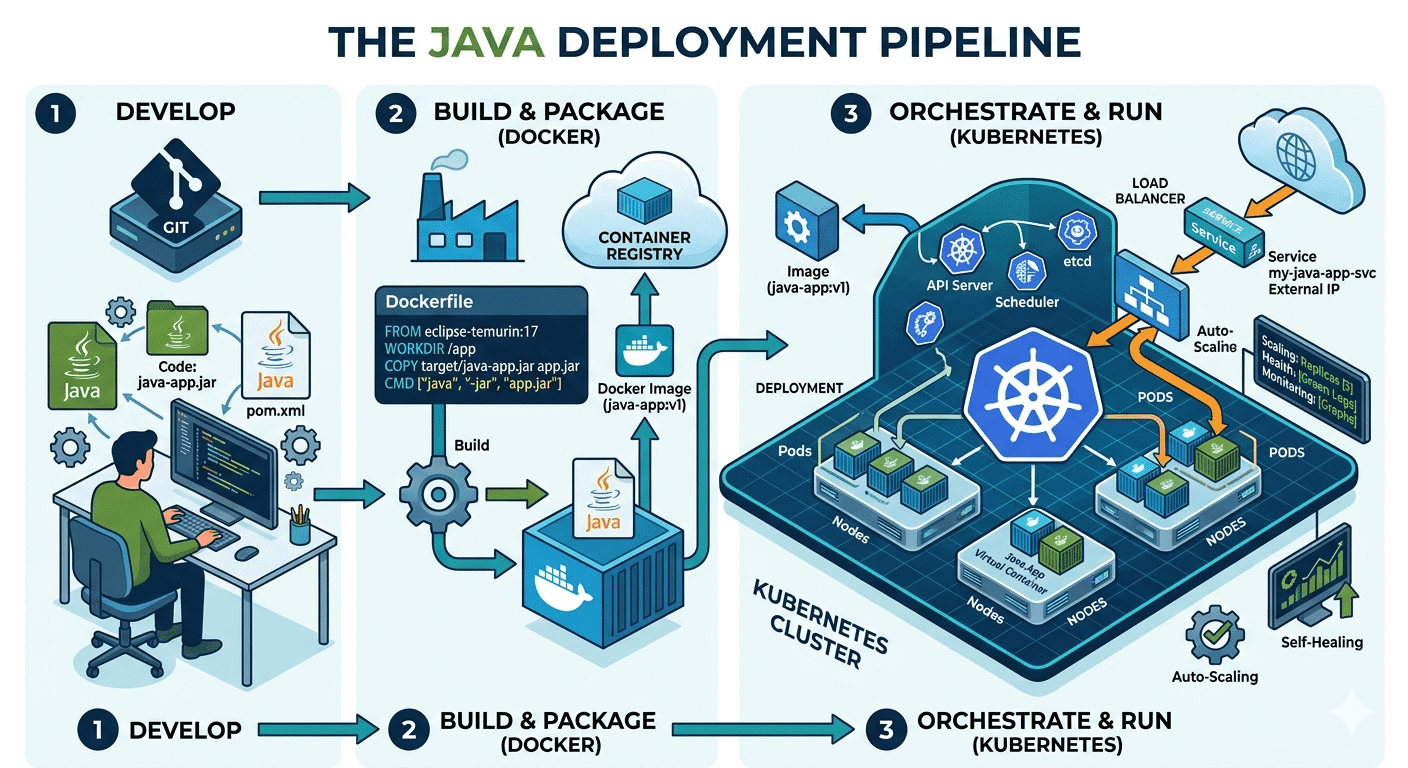
How Do Java Development Teams Use Docker and Kubernetes to Deploy Applications?
Last updated on: April 24, 2026Posted by: ExamRadar

AI vs Machine Learning: Key Differences Every Professional Should Know
Last updated on: February 13, 2026Posted by: ExamRadar

Office Cleaning Services That Elevate Sydney Offices
Last updated on: February 11, 2026Posted by: ExamRadar

What You Actually Learn About Exam Patterns From RBI Grade B Previous Year Papers?
Last updated on: February 9, 2026Posted by: ExamRadar