Question: An intentionally disruptive program that spreads from program to program or from disk to disk is known as a:
Answer:
An intentionally disruptive program that spreads from program to program or from disk to disk is known as a "computer virus."
Computer viruses are malicious programs designed to infect other programs or files and replicate themselves without the knowledge or consent of the user. They are typically created with the intent to cause harm, disrupt computer systems, steal information, or gain unauthorized access.
Computer viruses can spread through various means, such as email attachments, infected software downloads, compromised websites, or removable storage media. Once a virus infects a host program or file, it can replicate itself and spread to other programs, files, or systems, potentially causing damage or compromising the security of the affected systems.
Some common types of computer viruses include:
1. File Infector Viruses: These viruses attach themselves to executable files and infect other files when the infected file is executed.
2. Macro Viruses: Macro viruses infect documents and exploit the macro functionality in applications like Microsoft Word or Excel. They can spread through infected documents and macros, causing harm when the document is opened.
3. Boot Sector Viruses: These viruses infect the boot sector of a disk or a computer's Master Boot Record (MBR). When the infected disk or system is booted, the virus gets loaded into memory and can spread to other disks or systems.
4. Polymorphic Viruses: Polymorphic viruses have the ability to change their code or appearance to avoid detection by antivirus software, making them more challenging to identify and remove.
It is important to have up-to-date antivirus software and practice safe computing habits, such as avoiding suspicious email attachments, downloading files from trusted sources, and regularly updating software, to mitigate the risk of computer virus infections and their disruptive effects.
MCQ: An intentionally disruptive program that spreads from program to program or from disk to disk is known as a:
Explanation:
An intentionally disruptive program that spreads from program to program or from disk to disk is known as a "computer virus."
Computer viruses are malicious programs designed to infect other programs or files and replicate themselves without the knowledge or consent of the user. They are typically created with the intent to cause harm, disrupt computer systems, steal information, or gain unauthorized access.
Computer viruses can spread through various means, such as email attachments, infected software downloads, compromised websites, or removable storage media. Once a virus infects a host program or file, it can replicate itself and spread to other programs, files, or systems, potentially causing damage or compromising the security of the affected systems.
Some common types of computer viruses include:
1. File Infector Viruses: These viruses attach themselves to executable files and infect other files when the infected file is executed.
2. Macro Viruses: Macro viruses infect documents and exploit the macro functionality in applications like Microsoft Word or Excel. They can spread through infected documents and macros, causing harm when the document is opened.
3. Boot Sector Viruses: These viruses infect the boot sector of a disk or a computer's Master Boot Record (MBR). When the infected disk or system is booted, the virus gets loaded into memory and can spread to other disks or systems.
4. Polymorphic Viruses: Polymorphic viruses have the ability to change their code or appearance to avoid detection by antivirus software, making them more challenging to identify and remove.
It is important to have up-to-date antivirus software and practice safe computing habits, such as avoiding suspicious email attachments, downloading files from trusted sources, and regularly updating software, to mitigate the risk of computer virus infections and their disruptive effects.
Discuss a Question
Related Questions
- 1. In 1999, the Melissa virus was a widely publicised:
- 2. What type of virus uses computer hosts to reproduce itself?
- 3. The thing that eventually terminates a worm virus is a lack of:
- 4. When a logic bomb is activated by a time-related event, it is known as a:
- 5. A logic bomb that was created to erupt on Michelangelo‘s birthday is an example of a:
- 6. What is the name of an application program that gathers user information and sends it to someone through the Internet?
- 7. —— is the measurement of things such as fingerprints and retinal scans used for security access.
- 8. What is the most common tool used to restrict access to a computer system?
- 9. Hardware or software designed to guard against unauthorized access to a computer network is known as a(n):
- 10. The scrambling of code is known as:
You may be interested in:
Computer Basics MCQsRecently Added Articles

How Image to Text Conversion Make Printed Study Materials Easier to Use?
Last updated on: October 23, 2026Posted by: ExamRadar

7 Best Online Exam Makers for Teachers, Schools, and Businesses
Last updated on: October 21, 2026Posted by: ExamRadar

How to pick a Bintan resort when you’ve only got 48 hours
Last updated on: September 23, 2026Posted by: ExamRadar

Features to Look for While Choosing the Best Automation Tool
Last updated on: July 15, 2026Posted by: ExamRadar
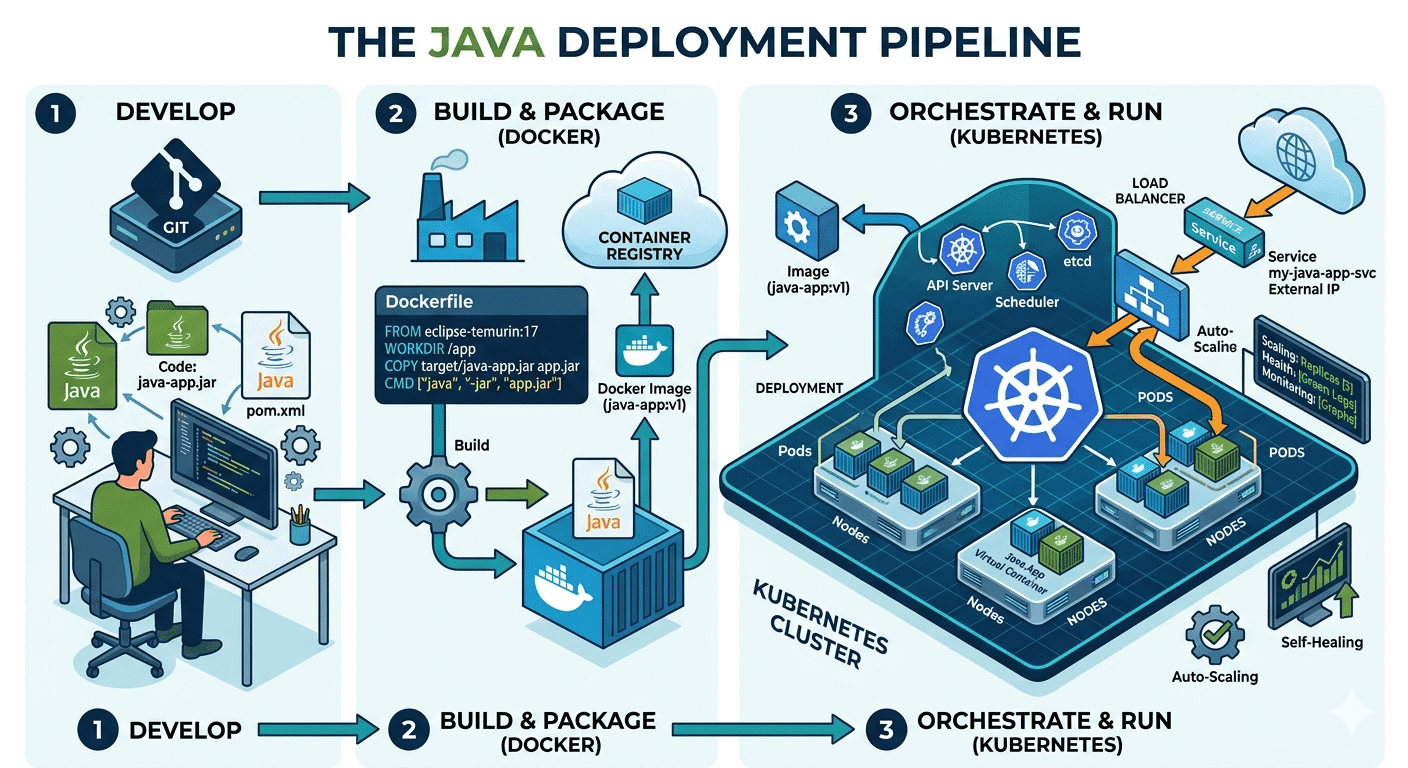
How Do Java Development Teams Use Docker and Kubernetes to Deploy Applications?
Last updated on: April 24, 2026Posted by: ExamRadar

AI vs Machine Learning: Key Differences Every Professional Should Know
Last updated on: February 13, 2026Posted by: ExamRadar

Office Cleaning Services That Elevate Sydney Offices
Last updated on: February 11, 2026Posted by: ExamRadar

What You Actually Learn About Exam Patterns From RBI Grade B Previous Year Papers?
Last updated on: February 9, 2026Posted by: ExamRadar