Question: What type of virus uses computer hosts to reproduce itself?
Answer:
The type of virus that uses computer hosts to reproduce itself is called a "worm."
A computer worm is a type of malicious software that can self-replicate and spread across computer networks without any user intervention. Unlike traditional viruses that typically require user action to propagate (such as executing an infected file or opening an infected email attachment), worms have the ability to independently find and infect vulnerable systems.
Once a computer worm gains access to a host system, it can automatically replicate itself and spread to other connected systems, often using network vulnerabilities or security weaknesses. Worms can exploit various communication protocols, such as email, instant messaging, or file-sharing networks, to propagate and infect new hosts.
The primary purpose of worms is to propagate rapidly and infect as many systems as possible. This behavior can lead to a significant disruption of network operations, consume network bandwidth, and compromise the security and stability of affected systems.
It is important to note that worms are distinct from viruses, which typically require human interaction to spread. Worms, on the other hand, are capable of spreading autonomously and can exploit network vulnerabilities to quickly propagate across a wide range of systems.
MCQ: What type of virus uses computer hosts to reproduce itself?
Explanation:
The type of virus that uses computer hosts to reproduce itself is called a "worm."
A computer worm is a type of malicious software that can self-replicate and spread across computer networks without any user intervention. Unlike traditional viruses that typically require user action to propagate (such as executing an infected file or opening an infected email attachment), worms have the ability to independently find and infect vulnerable systems.
Once a computer worm gains access to a host system, it can automatically replicate itself and spread to other connected systems, often using network vulnerabilities or security weaknesses. Worms can exploit various communication protocols, such as email, instant messaging, or file-sharing networks, to propagate and infect new hosts.
The primary purpose of worms is to propagate rapidly and infect as many systems as possible. This behavior can lead to a significant disruption of network operations, consume network bandwidth, and compromise the security and stability of affected systems.
It is important to note that worms are distinct from viruses, which typically require human interaction to spread. Worms, on the other hand, are capable of spreading autonomously and can exploit network vulnerabilities to quickly propagate across a wide range of systems.
Discuss a Question
Related Questions
- 1. The thing that eventually terminates a worm virus is a lack of:
- 2. When a logic bomb is activated by a time-related event, it is known as a:
- 3. A logic bomb that was created to erupt on Michelangelo‘s birthday is an example of a:
- 4. What is the name of an application program that gathers user information and sends it to someone through the Internet?
- 5. —— is the measurement of things such as fingerprints and retinal scans used for security access.
- 6. What is the most common tool used to restrict access to a computer system?
- 7. Hardware or software designed to guard against unauthorized access to a computer network is known as a(n):
- 8. The scrambling of code is known as:
- 9. To prevent the loss of data during power failures, use a(n):
- 10. ——Is defined as any crime completed through the use of computer technology.
You may be interested in:
Computer Basics MCQsRecently Added Articles

How Image to Text Conversion Make Printed Study Materials Easier to Use?
Last updated on: October 23, 2026Posted by: ExamRadar

7 Best Online Exam Makers for Teachers, Schools, and Businesses
Last updated on: October 21, 2026Posted by: ExamRadar

How to pick a Bintan resort when you’ve only got 48 hours
Last updated on: September 23, 2026Posted by: ExamRadar

Features to Look for While Choosing the Best Automation Tool
Last updated on: July 15, 2026Posted by: ExamRadar
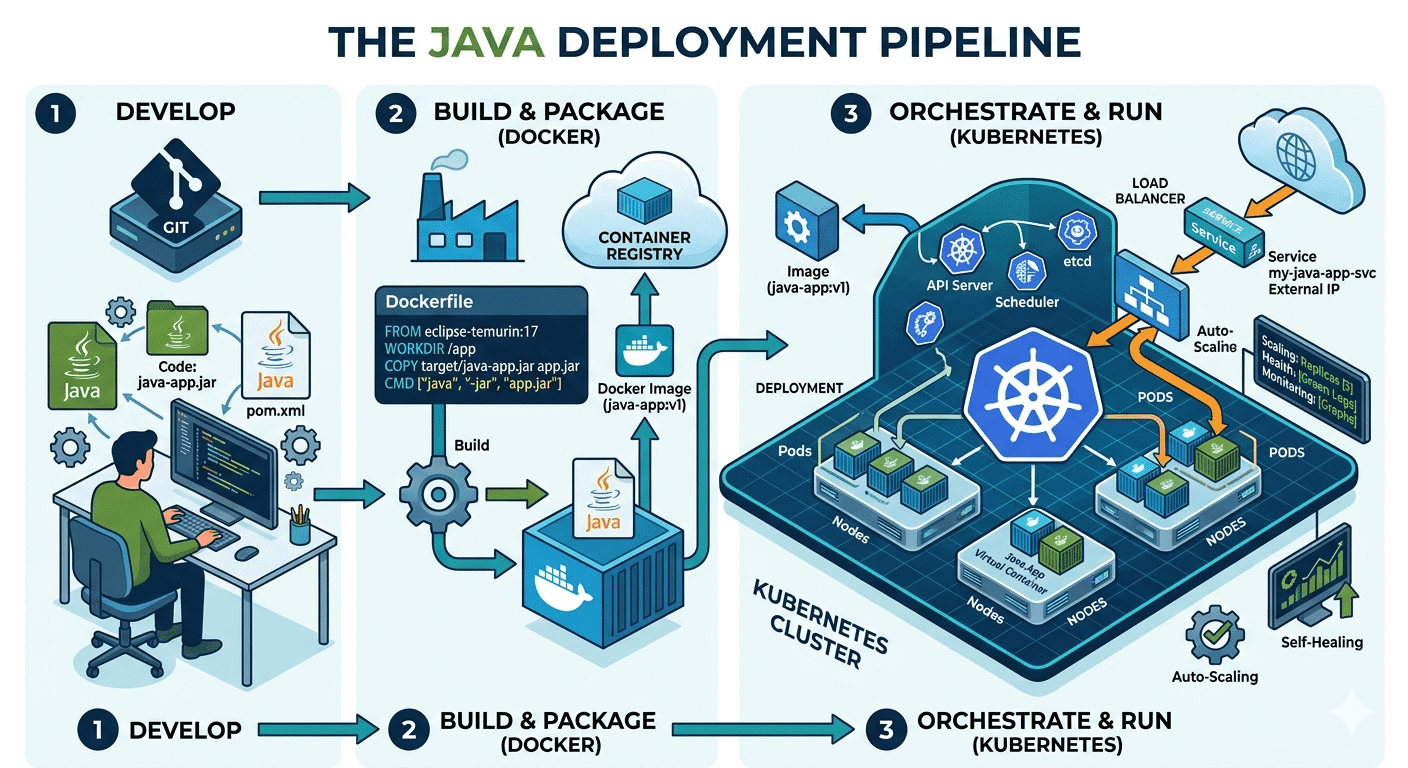
How Do Java Development Teams Use Docker and Kubernetes to Deploy Applications?
Last updated on: April 24, 2026Posted by: ExamRadar

AI vs Machine Learning: Key Differences Every Professional Should Know
Last updated on: February 13, 2026Posted by: ExamRadar

Office Cleaning Services That Elevate Sydney Offices
Last updated on: February 11, 2026Posted by: ExamRadar

What You Actually Learn About Exam Patterns From RBI Grade B Previous Year Papers?
Last updated on: February 9, 2026Posted by: ExamRadar