Question: ——Is defined as any crime completed through the use of computer technology.
Answer:
Cybercrime is defined as any crime completed through the use of computer technology.
Cybercrime encompasses a wide range of illegal activities that are facilitated or carried out using computers, networks, and the Internet. It involves the use of technology as a tool or target for criminal activities, often with the aim of gaining unauthorized access, causing harm, or obtaining financial gain.
Examples of cybercrime include:
1. Hacking: Unauthorized access to computer systems or networks to gain information, disrupt operations, or steal data.
2. Malware Attacks: Spreading malicious software, such as viruses, worms, ransomware, or spyware, to compromise systems or steal sensitive information.
3. Phishing and Social Engineering: Deceptive techniques used to trick individuals into revealing sensitive information, such as passwords or financial details, through fraudulent emails, websites, or phone calls.
4. Identity Theft: Illegally obtaining and using someone else's personal information, such as Social Security numbers or credit card details, for fraudulent purposes.
5. Online Fraud: Engaging in fraudulent activities, such as online scams, fake auctions, or pyramid schemes, to deceive victims and extract money or valuable assets.
6. Cyberstalking and Harassment: Using technology to intimidate, threaten, or harass individuals online.
7. Data Breaches: Unauthorized access or exposure of sensitive data, often resulting in the compromise of personal information or trade secrets.
8. Cyber Espionage: Illegally accessing and stealing confidential information from government agencies, organizations, or individuals for political, economic, or military gain.
9. Distributed Denial of Service (DDoS) Attacks: Overwhelming a target's network or website with a flood of traffic to disrupt its normal functioning and deny access to legitimate users.
10. Online Child Exploitation: Producing, distributing, or accessing child pornography or engaging in grooming activities.
These are just a few examples of the diverse range of criminal activities that fall under the umbrella of cybercrime. Due to the widespread use of computers and the Internet in modern society, cybercrime poses significant challenges to individuals, organizations, and law enforcement agencies worldwide. Efforts to combat cybercrime involve technological advancements, cybersecurity measures, international cooperation, and the enactment of appropriate laws and regulations.
MCQ: ——Is defined as any crime completed through the use of computer technology.
Explanation:
Cybercrime is defined as any crime completed through the use of computer technology.
Cybercrime encompasses a wide range of illegal activities that are facilitated or carried out using computers, networks, and the Internet. It involves the use of technology as a tool or target for criminal activities, often with the aim of gaining unauthorized access, causing harm, or obtaining financial gain.
Examples of cybercrime include:
1. Hacking: Unauthorized access to computer systems or networks to gain information, disrupt operations, or steal data.
2. Malware Attacks: Spreading malicious software, such as viruses, worms, ransomware, or spyware, to compromise systems or steal sensitive information.
3. Phishing and Social Engineering: Deceptive techniques used to trick individuals into revealing sensitive information, such as passwords or financial details, through fraudulent emails, websites, or phone calls.
4. Identity Theft: Illegally obtaining and using someone else's personal information, such as Social Security numbers or credit card details, for fraudulent purposes.
5. Online Fraud: Engaging in fraudulent activities, such as online scams, fake auctions, or pyramid schemes, to deceive victims and extract money or valuable assets.
6. Cyberstalking and Harassment: Using technology to intimidate, threaten, or harass individuals online.
7. Data Breaches: Unauthorized access or exposure of sensitive data, often resulting in the compromise of personal information or trade secrets.
8. Cyber Espionage: Illegally accessing and stealing confidential information from government agencies, organizations, or individuals for political, economic, or military gain.
9. Distributed Denial of Service (DDoS) Attacks: Overwhelming a target's network or website with a flood of traffic to disrupt its normal functioning and deny access to legitimate users.
10. Online Child Exploitation: Producing, distributing, or accessing child pornography or engaging in grooming activities.
These are just a few examples of the diverse range of criminal activities that fall under the umbrella of cybercrime. Due to the widespread use of computers and the Internet in modern society, cybercrime poses significant challenges to individuals, organizations, and law enforcement agencies worldwide. Efforts to combat cybercrime involve technological advancements, cybersecurity measures, international cooperation, and the enactment of appropriate laws and regulations.
Discuss a Question
Related Questions
- 1. —— refers to electronic trespassing or criminal hacking.
- 2. The first electronic computer was developed by
- 3. Snowball is an/a———
- 4. Switching device of fifth generation computer is——–
- 5. ———- computers operates essentially by counting
- 6. ———- computer is small general purpose micro computer, but larger than portable computer
- 7. Cathode Ray Tube is a form of…….
- 8. Trackball is a………..
- 9. …………. computer is a medium sized computer
- 10. ……….. computer are of large size
You may be interested in:
Computer Basics MCQsRecently Added Articles

How Image to Text Conversion Make Printed Study Materials Easier to Use?
Last updated on: October 23, 2026Posted by: ExamRadar

7 Best Online Exam Makers for Teachers, Schools, and Businesses
Last updated on: October 21, 2026Posted by: ExamRadar

How to pick a Bintan resort when you’ve only got 48 hours
Last updated on: September 23, 2026Posted by: ExamRadar

Features to Look for While Choosing the Best Automation Tool
Last updated on: July 15, 2026Posted by: ExamRadar
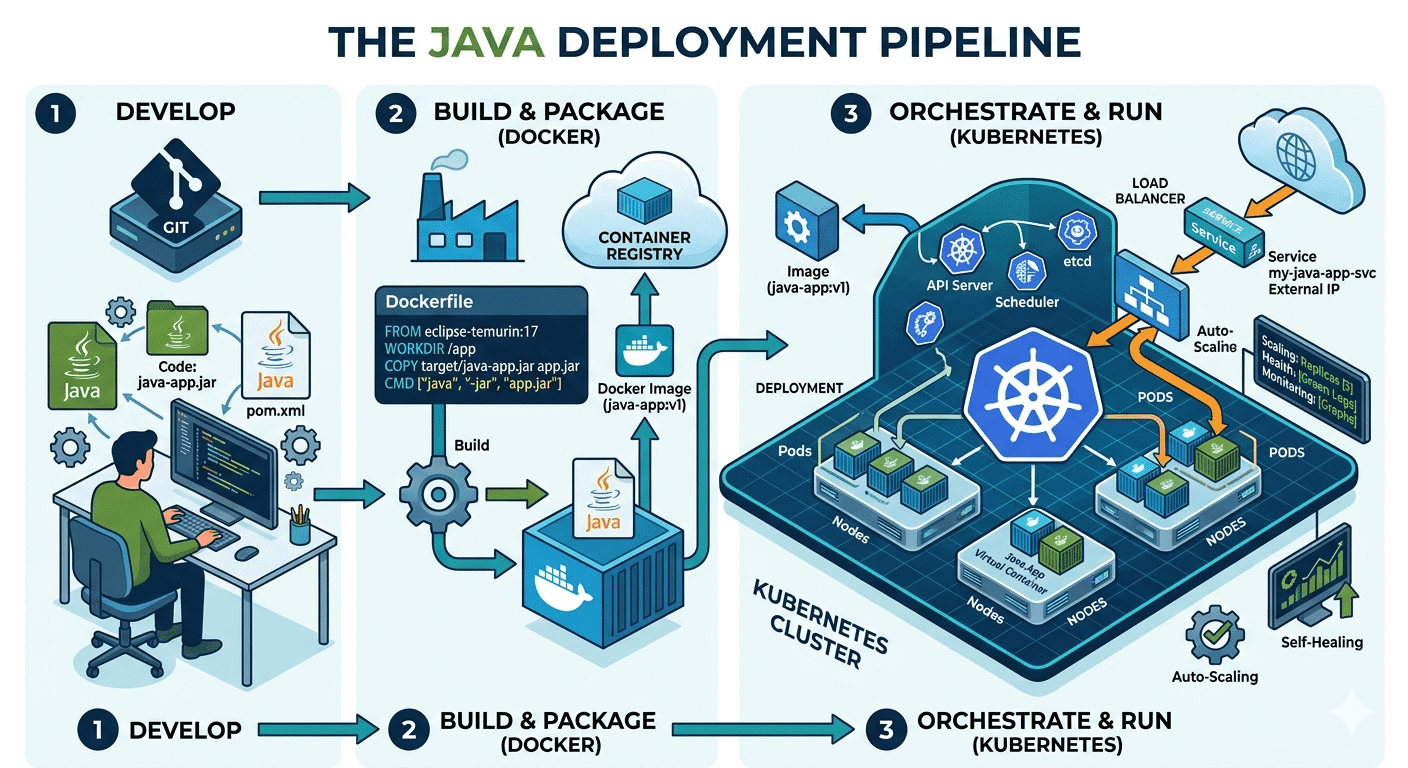
How Do Java Development Teams Use Docker and Kubernetes to Deploy Applications?
Last updated on: April 24, 2026Posted by: ExamRadar

AI vs Machine Learning: Key Differences Every Professional Should Know
Last updated on: February 13, 2026Posted by: ExamRadar

Office Cleaning Services That Elevate Sydney Offices
Last updated on: February 11, 2026Posted by: ExamRadar

What You Actually Learn About Exam Patterns From RBI Grade B Previous Year Papers?
Last updated on: February 9, 2026Posted by: ExamRadar