Question: In _______ each object is defined by a numeric identifier
Answer:
Yes, in the context of SNMP (Simple Network Management Protocol) and MIB (Management Information Base), each object is defined by a unique numeric identifier called an Object Identifier (OID).
An OID is a hierarchical naming structure used to uniquely identify each managed object within the MIB. It consists of a sequence of numbers separated by dots (e.g., 1.3.6.1.2.1.1.1) that represent a path from the root of the MIB tree to a specific object.
The OID provides a standardized and globally unique identifier for each object, allowing network management systems to accurately and unambiguously refer to specific attributes or parameters of network devices.
For example, in the MIB-2 (Management Information Base for SNMPv2) defined by the Internet Engineering Task Force (IETF), the OID 1.3.6.1.2.1.1.1 refers to the sysDescr object, which represents a textual description of the system.
OIDs serve as a fundamental part of SNMP and are used for monitoring and managing network devices. Network management systems can use the OID to retrieve or set the value of a specific object, monitor its status, or perform other management operations.
Overall, OIDs provide a standardized means of identifying and referencing managed objects within the MIB, ensuring interoperability and consistency in network management systems.
MCQ: In _______ each object is defined by a numeric identifier
Explanation:
Yes, in the context of SNMP (Simple Network Management Protocol) and MIB (Management Information Base), each object is defined by a unique numeric identifier called an Object Identifier (OID).
An OID is a hierarchical naming structure used to uniquely identify each managed object within the MIB. It consists of a sequence of numbers separated by dots (e.g., 1.3.6.1.2.1.1.1) that represent a path from the root of the MIB tree to a specific object.
The OID provides a standardized and globally unique identifier for each object, allowing network management systems to accurately and unambiguously refer to specific attributes or parameters of network devices.
For example, in the MIB-2 (Management Information Base for SNMPv2) defined by the Internet Engineering Task Force (IETF), the OID 1.3.6.1.2.1.1.1 refers to the sysDescr object, which represents a textual description of the system.
OIDs serve as a fundamental part of SNMP and are used for monitoring and managing network devices. Network management systems can use the OID to retrieve or set the value of a specific object, monitor its status, or perform other management operations.
Overall, OIDs provide a standardized means of identifying and referencing managed objects within the MIB, ensuring interoperability and consistency in network management systems.
Discuss a Question
Related Questions
- 1. The identifier for the object named <i>sys</i> under the <i>mib</i> object is ______.
- 2. SNMP uses _________ messages to send and retrieve messages.
- 3. If a manager needs to get some information from an agent, it uses the _______ message.
- 4. If an agent needs to send some information to a manager, it uses the _________ message
- 5. The first section of a response message in HTTP is the __________
- 6. The fourth section of a response message in HTTP is the __________.
- 7. HTML is similar to a
- 8. Desirable properties of a website are (i) a meaningful address (ii) Help and search facilities (iii) Links to related sites (iv) Features to allow users to give feedback (v) Hosting on a mainframe
- 9. XSL definition is used along with XML definition to specify
- 10. If a manager needs to change the setting of an agent, it uses the ____________ message
You may be interested in:
Web Fundamental MCQsRecently Added Articles

How Image to Text Conversion Make Printed Study Materials Easier to Use?
Last updated on: October 23, 2026Posted by: ExamRadar

7 Best Online Exam Makers for Teachers, Schools, and Businesses
Last updated on: October 21, 2026Posted by: ExamRadar

How to pick a Bintan resort when you’ve only got 48 hours
Last updated on: September 23, 2026Posted by: ExamRadar

Features to Look for While Choosing the Best Automation Tool
Last updated on: July 15, 2026Posted by: ExamRadar
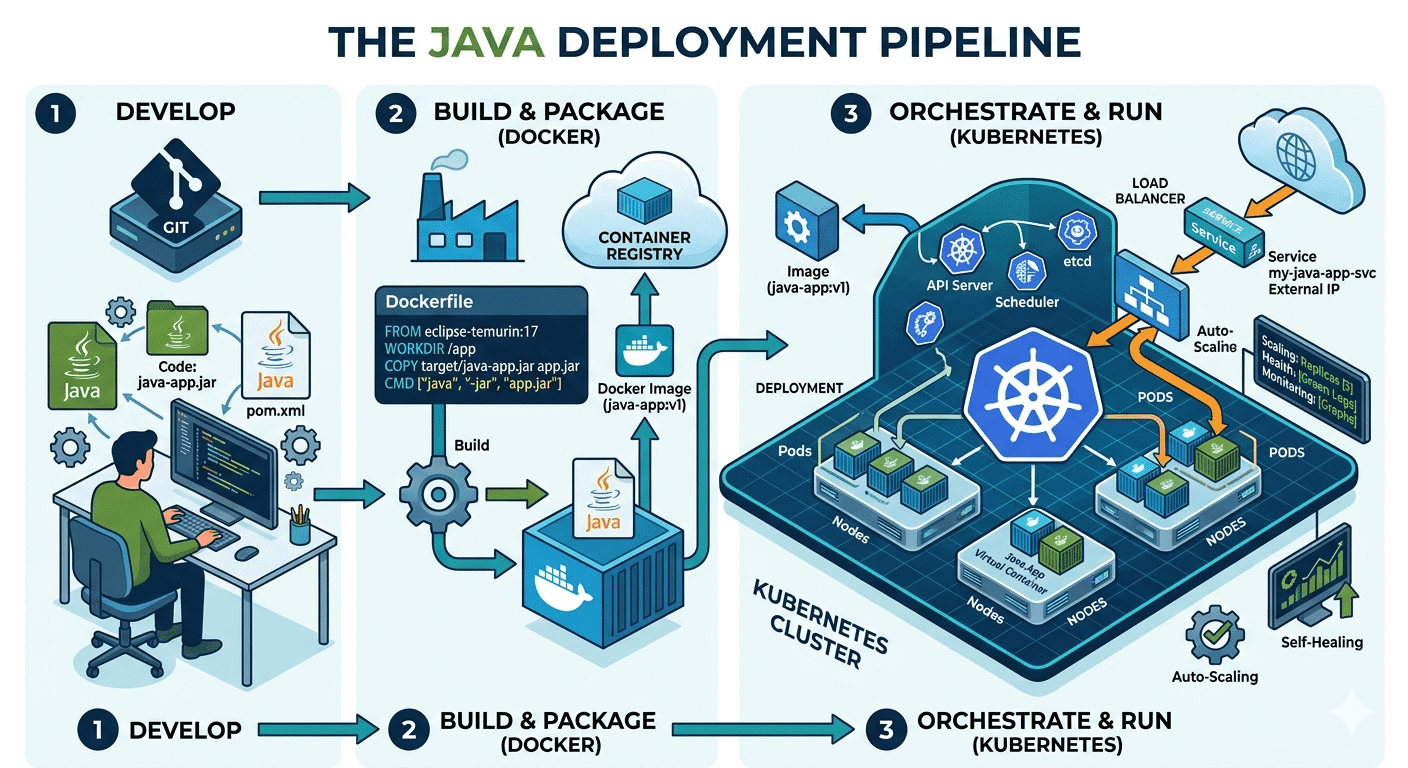
How Do Java Development Teams Use Docker and Kubernetes to Deploy Applications?
Last updated on: April 24, 2026Posted by: ExamRadar

AI vs Machine Learning: Key Differences Every Professional Should Know
Last updated on: February 13, 2026Posted by: ExamRadar

Office Cleaning Services That Elevate Sydney Offices
Last updated on: February 11, 2026Posted by: ExamRadar

What You Actually Learn About Exam Patterns From RBI Grade B Previous Year Papers?
Last updated on: February 9, 2026Posted by: ExamRadar