Question: If an agent needs to send some information to a manager, it uses the _________ message
Answer:
If an agent needs to send some information to a manager in the context of SNMP (Simple Network Management Protocol), it uses the "Trap" message.
A Trap message is used by SNMP agents to asynchronously notify the SNMP manager about a significant event or condition. When an event occurs, such as an error, a threshold crossing, or a specific condition detected by the agent, the agent generates a Trap message and sends it to the configured SNMP manager.
The Trap message contains information about the event or condition, including the OID (Object Identifier) of the specific object or variable associated with the event. The SNMP manager receives the Trap message and can take appropriate actions based on the information provided.
Traps are unsolicited messages sent by SNMP agents to managers, providing a way for agents to proactively notify managers about important events or issues without the manager explicitly polling or requesting information.
It's worth noting that SNMP also supports other types of messages, such as Get, GetNext, Set, and GetBulk, which are used for more interactive and query-based communication between the SNMP manager and agent. However, when an agent needs to send information to a manager without a prior request, the Trap message is used.
MCQ: If an agent needs to send some information to a manager, it uses the _________ message
Explanation:
If an agent needs to send some information to a manager in the context of SNMP (Simple Network Management Protocol), it uses the "Trap" message.
A Trap message is used by SNMP agents to asynchronously notify the SNMP manager about a significant event or condition. When an event occurs, such as an error, a threshold crossing, or a specific condition detected by the agent, the agent generates a Trap message and sends it to the configured SNMP manager.
The Trap message contains information about the event or condition, including the OID (Object Identifier) of the specific object or variable associated with the event. The SNMP manager receives the Trap message and can take appropriate actions based on the information provided.
Traps are unsolicited messages sent by SNMP agents to managers, providing a way for agents to proactively notify managers about important events or issues without the manager explicitly polling or requesting information.
It's worth noting that SNMP also supports other types of messages, such as Get, GetNext, Set, and GetBulk, which are used for more interactive and query-based communication between the SNMP manager and agent. However, when an agent needs to send information to a manager without a prior request, the Trap message is used.
Discuss a Question
Related Questions
- 1. The first section of a response message in HTTP is the __________
- 2. The fourth section of a response message in HTTP is the __________.
- 3. HTML is similar to a
- 4. Desirable properties of a website are (i) a meaningful address (ii) Help and search facilities (iii) Links to related sites (iv) Features to allow users to give feedback (v) Hosting on a mainframe
- 5. XSL definition is used along with XML definition to specify
- 6. If a manager needs to change the setting of an agent, it uses the ____________ message
- 7. If an agent needs to report a situation to the manager, it uses the ___________ message
- 8. HTTP messages are divided into _______ categories
- 9. A browser is an HTTP _________.
- 10. In HTTP, the message sent from the client to the server is called a ______.
You may be interested in:
Web Fundamental MCQsRecently Added Articles

How Image to Text Conversion Make Printed Study Materials Easier to Use?
Last updated on: October 23, 2026Posted by: ExamRadar
7 Best Online Exam Makers for Teachers, Schools, and Businesses
Last updated on: October 21, 2026Posted by: ExamRadar

How to pick a Bintan resort when you’ve only got 48 hours
Last updated on: September 23, 2026Posted by: ExamRadar

Features to Look for While Choosing the Best Automation Tool
Last updated on: July 15, 2026Posted by: ExamRadar
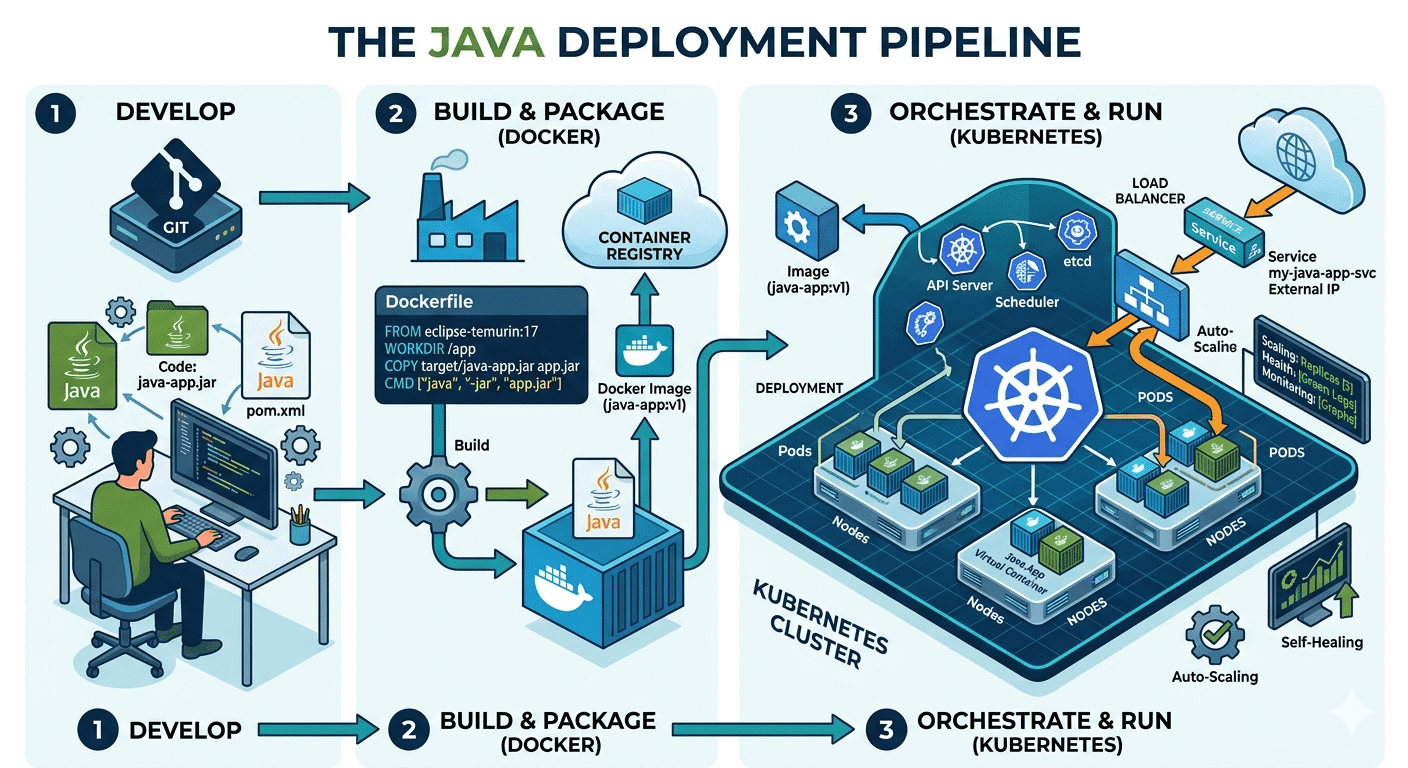
How Do Java Development Teams Use Docker and Kubernetes to Deploy Applications?
Last updated on: April 24, 2026Posted by: ExamRadar

AI vs Machine Learning: Key Differences Every Professional Should Know
Last updated on: February 13, 2026Posted by: ExamRadar

Office Cleaning Services That Elevate Sydney Offices
Last updated on: February 11, 2026Posted by: ExamRadar
What You Actually Learn About Exam Patterns From RBI Grade B Previous Year Papers?
Last updated on: February 9, 2026Posted by: ExamRadar