Question: A browser is an HTTP _________.
Answer:
A browser is an HTTP "Client".
In the context of HTTP (Hypertext Transfer Protocol), a client is a program or software that initiates a request to a server and receives responses. The client sends HTTP requests to the server to retrieve web pages, data, or perform other actions.
A browser acts as an HTTP client by sending HTTP requests to web servers. When you enter a URL in the browser's address bar or click on links, the browser forms an HTTP request and sends it to the appropriate server. The browser specifies the desired action (e.g., GET to retrieve a web page) and includes additional information such as headers, cookies, and sometimes a request body.
Upon receiving the server's response, the browser processes the received data, which may include HTML, CSS, JavaScript, images, and other resources. It renders the web page, executes scripts, and presents the content to the user.
The browser handles communication with the server, sending requests, receiving responses, and managing the necessary protocols and data formats defined by HTTP. It acts as the intermediary between the user and the web server, providing a user-friendly interface to access and interact with web resources.
In summary, a browser is an HTTP client that sends HTTP requests to web servers, retrieves and processes the server's responses, and presents the content to the user in a visually appealing and interactive manner.
MCQ: A browser is an HTTP _________.
Explanation:
A browser is an HTTP "Client".
In the context of HTTP (Hypertext Transfer Protocol), a client is a program or software that initiates a request to a server and receives responses. The client sends HTTP requests to the server to retrieve web pages, data, or perform other actions.
A browser acts as an HTTP client by sending HTTP requests to web servers. When you enter a URL in the browser's address bar or click on links, the browser forms an HTTP request and sends it to the appropriate server. The browser specifies the desired action (e.g., GET to retrieve a web page) and includes additional information such as headers, cookies, and sometimes a request body.
Upon receiving the server's response, the browser processes the received data, which may include HTML, CSS, JavaScript, images, and other resources. It renders the web page, executes scripts, and presents the content to the user.
The browser handles communication with the server, sending requests, receiving responses, and managing the necessary protocols and data formats defined by HTTP. It acts as the intermediary between the user and the web server, providing a user-friendly interface to access and interact with web resources.
In summary, a browser is an HTTP client that sends HTTP requests to web servers, retrieves and processes the server's responses, and presents the content to the user in a visually appealing and interactive manner.
Discuss a Question
Related Questions
- 1. In HTTP, the message sent from the client to the server is called a ______.
- 2. HTML uses
- 3. HTML tags define
- 4. CGI is mostly associated with a _______ document.
- 5. Java is mostly associated with a _______ document.
- 6. The advantages of XML over HTML are (i) It allows processing of data stored in web-pages (ii) It uses meaningful tags which aids in understanding the nature of a document (iii) Is simpler than HTML (iv)It separates presentation and structure of document
- 7. In HTTP, the message sent from the server to the client is called a ______
- 8. A request or a response in HTTP is made of _______ components
- 9. The first section of a request message in HTTP is the __________.
- 10. The tag used in HTML to link it with other URL’s is
You may be interested in:
Web Fundamental MCQsRecently Added Articles
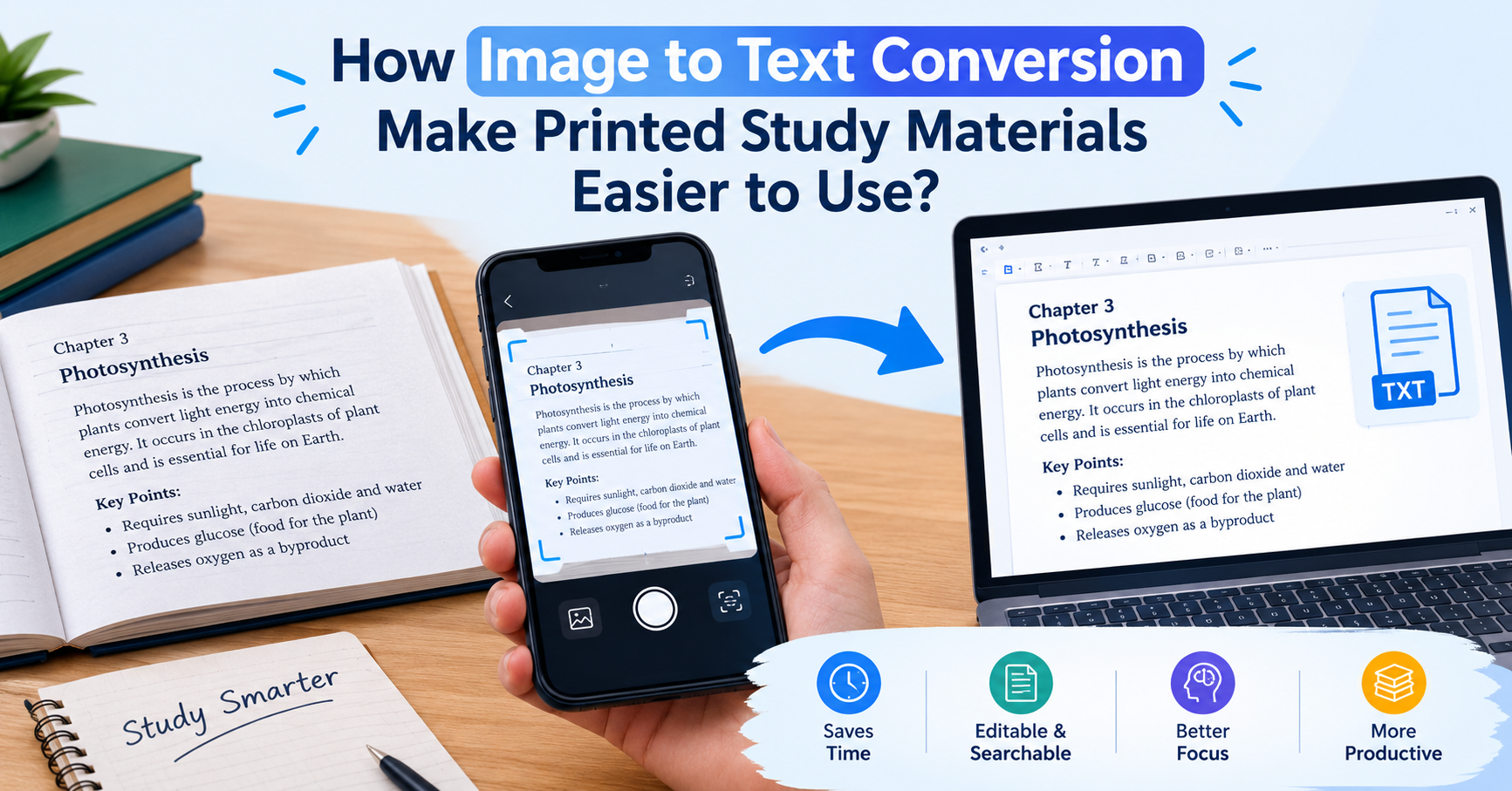
How Image to Text Conversion Make Printed Study Materials Easier to Use?
Last updated on: October 23, 2026Posted by: ExamRadar
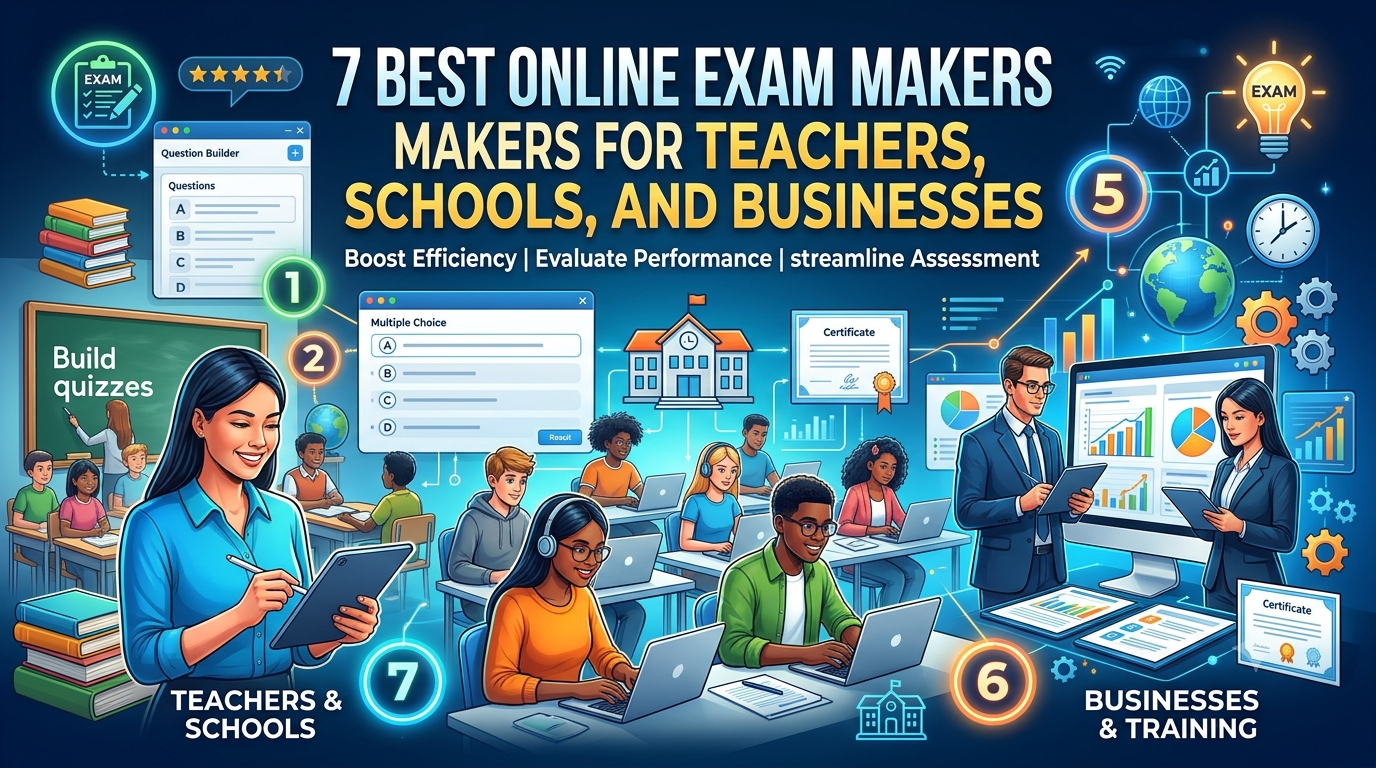
7 Best Online Exam Makers for Teachers, Schools, and Businesses
Last updated on: October 21, 2026Posted by: ExamRadar

How to pick a Bintan resort when you’ve only got 48 hours
Last updated on: September 23, 2026Posted by: ExamRadar

Features to Look for While Choosing the Best Automation Tool
Last updated on: July 15, 2026Posted by: ExamRadar
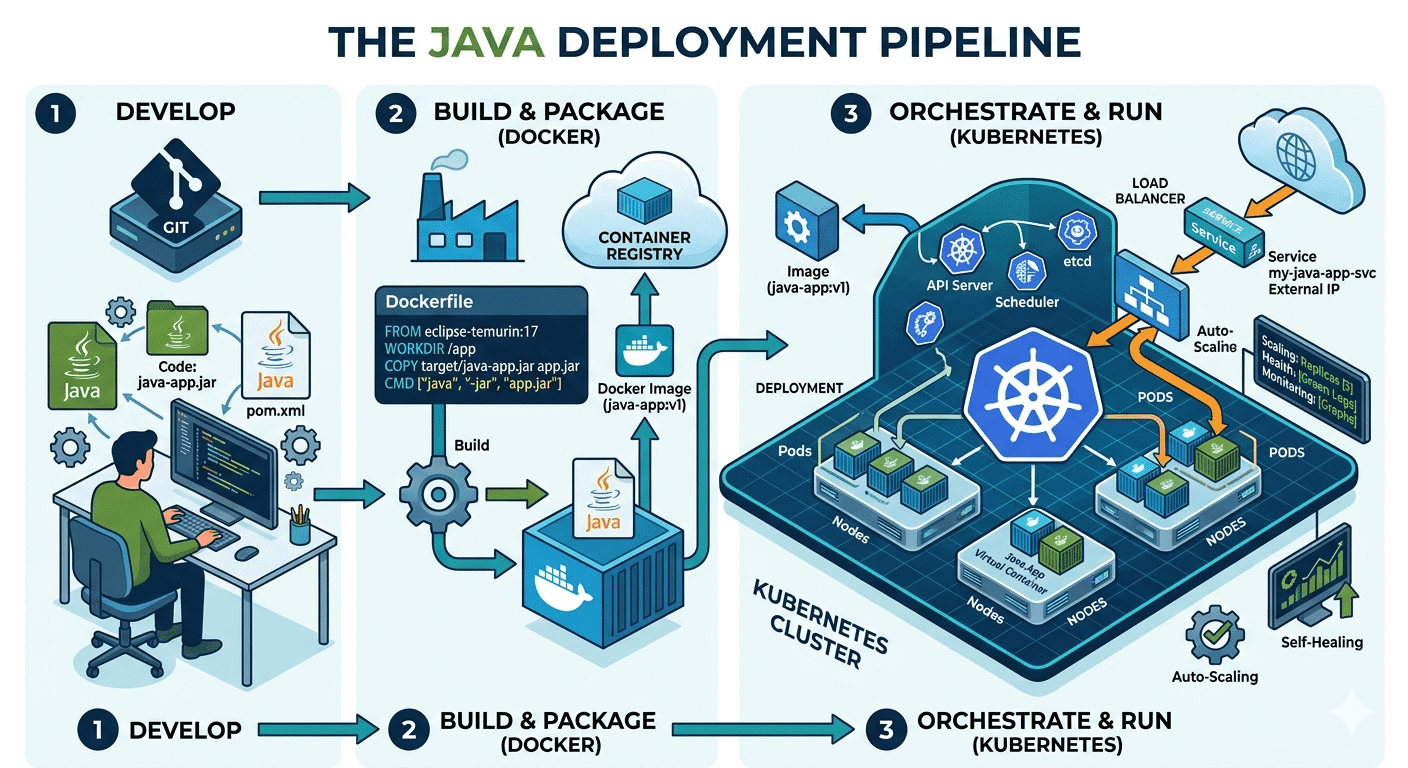
How Do Java Development Teams Use Docker and Kubernetes to Deploy Applications?
Last updated on: April 24, 2026Posted by: ExamRadar

AI vs Machine Learning: Key Differences Every Professional Should Know
Last updated on: February 13, 2026Posted by: ExamRadar

Office Cleaning Services That Elevate Sydney Offices
Last updated on: February 11, 2026Posted by: ExamRadar
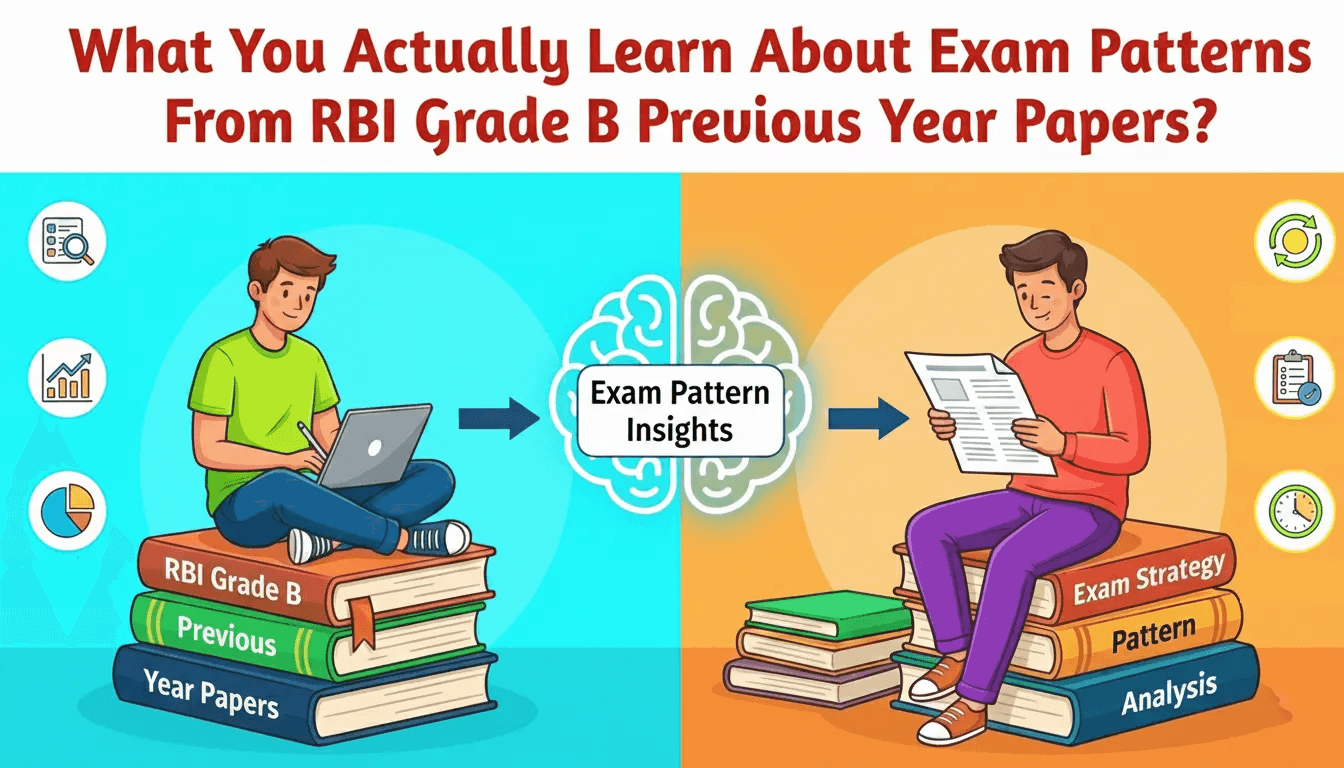
What You Actually Learn About Exam Patterns From RBI Grade B Previous Year Papers?
Last updated on: February 9, 2026Posted by: ExamRadar