Question: A request or a response in HTTP is made of _______ components
Answer:
A request or a response in HTTP is made up of three components:
1. Start Line: The start line provides important information about the request or response. For a request, the start line includes the HTTP method (such as GET, POST, etc.), the target URL, and the HTTP version. For a response, the start line includes the HTTP version, the status code, and a corresponding reason phrase.
2. Headers: Headers are optional components that provide additional information about the request or response. They consist of key-value pairs and can include details such as content type, content length, caching instructions, authentication credentials, and more. Headers are used to convey metadata and instructions related to the request or response.
3. Message Body: The message body is the optional component that carries the actual content or payload of the request or response. It can contain various types of data, such as HTML, JSON, XML, binary files, or plain text. The message body is where the main data of the request or response is transmitted.
Together, these three components (start line, headers, and message body) make up the structure of a request or response in the HTTP protocol. They provide the necessary information for communicating between clients and servers over the web.
MCQ: A request or a response in HTTP is made of _______ components
Explanation:
A request or a response in HTTP is made up of three components:
1. Start Line: The start line provides important information about the request or response. For a request, the start line includes the HTTP method (such as GET, POST, etc.), the target URL, and the HTTP version. For a response, the start line includes the HTTP version, the status code, and a corresponding reason phrase.
2. Headers: Headers are optional components that provide additional information about the request or response. They consist of key-value pairs and can include details such as content type, content length, caching instructions, authentication credentials, and more. Headers are used to convey metadata and instructions related to the request or response.
3. Message Body: The message body is the optional component that carries the actual content or payload of the request or response. It can contain various types of data, such as HTML, JSON, XML, binary files, or plain text. The message body is where the main data of the request or response is transmitted.
Together, these three components (start line, headers, and message body) make up the structure of a request or response in the HTTP protocol. They provide the necessary information for communicating between clients and servers over the web.
Discuss a Question
Related Questions
- 1. The first section of a request message in HTTP is the __________.
- 2. The tag used in HTML to link it with other URL’s is
- 3. The tags used for specifying fonts BOLD and Italic in HTML are (i) “<B>” (ii) “<I>” (iii) “<U>” (iv) “<L>”
- 4. A web page document that is stored in the server and can be retrieved by a browser is called a _______ document
- 5. A web page document that is stored in the server but should be run before the result can be retrieved by a browser is called a _______ document.
- 6. HTML is mostly associated with a _______ document
- 7. XML uses
- 8. In order to interpret XML documents one should
- 9. The fourth section of a request message in HTTP is the __________
- 10. It is possible to display pictures (i.e, images) in HTML specification by using the tag
You may be interested in:
Web Fundamental MCQsRecently Added Articles

How Image to Text Conversion Make Printed Study Materials Easier to Use?
Last updated on: October 23, 2026Posted by: ExamRadar
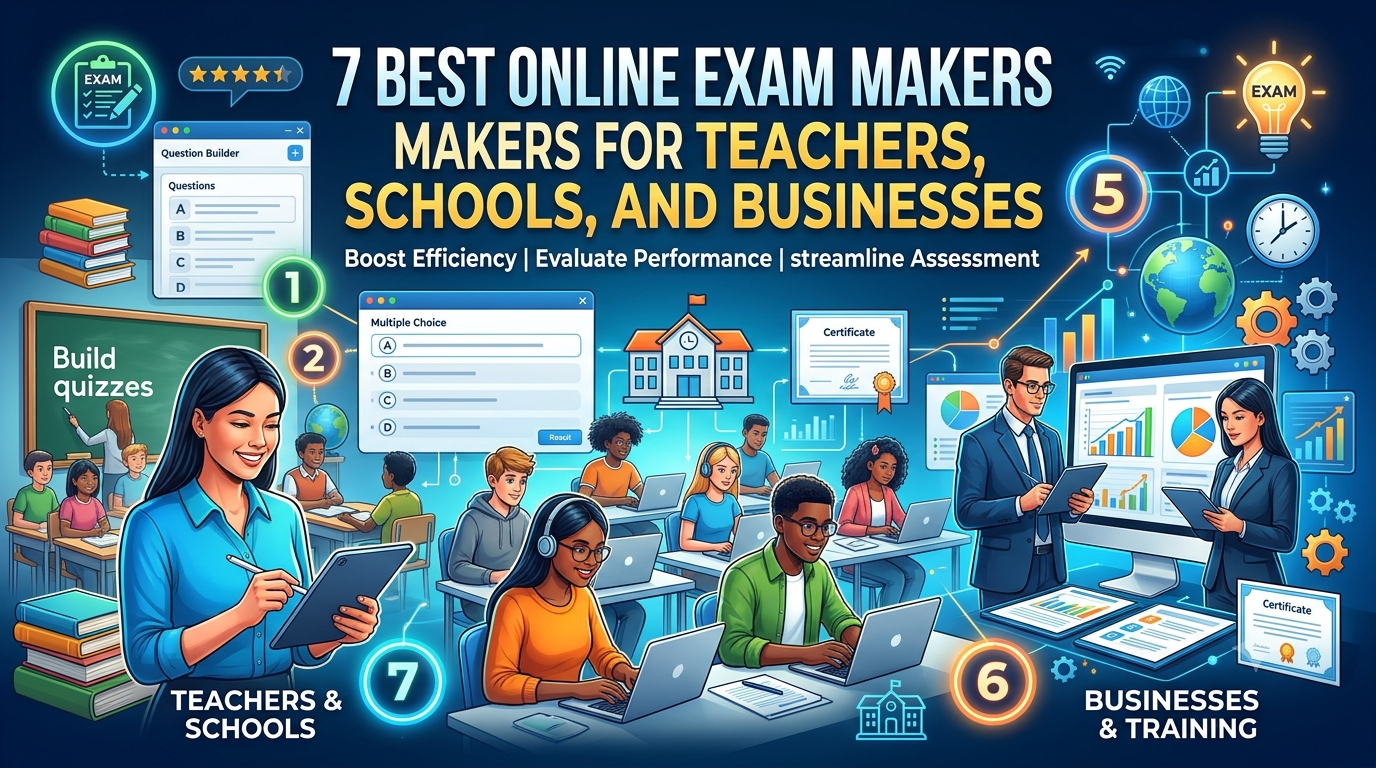
7 Best Online Exam Makers for Teachers, Schools, and Businesses
Last updated on: October 21, 2026Posted by: ExamRadar

How to pick a Bintan resort when you’ve only got 48 hours
Last updated on: September 23, 2026Posted by: ExamRadar

Features to Look for While Choosing the Best Automation Tool
Last updated on: July 15, 2026Posted by: ExamRadar
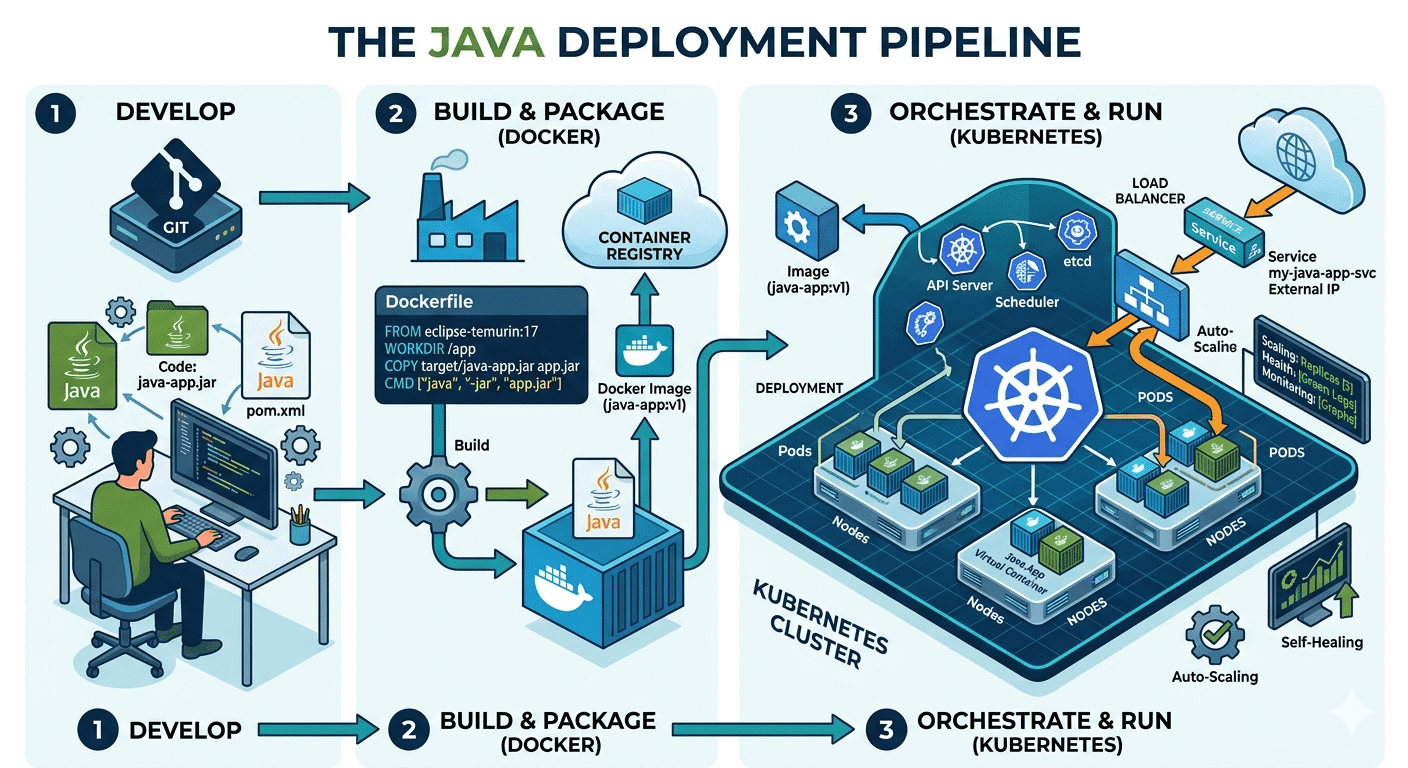
How Do Java Development Teams Use Docker and Kubernetes to Deploy Applications?
Last updated on: April 24, 2026Posted by: ExamRadar

AI vs Machine Learning: Key Differences Every Professional Should Know
Last updated on: February 13, 2026Posted by: ExamRadar

Office Cleaning Services That Elevate Sydney Offices
Last updated on: February 11, 2026Posted by: ExamRadar
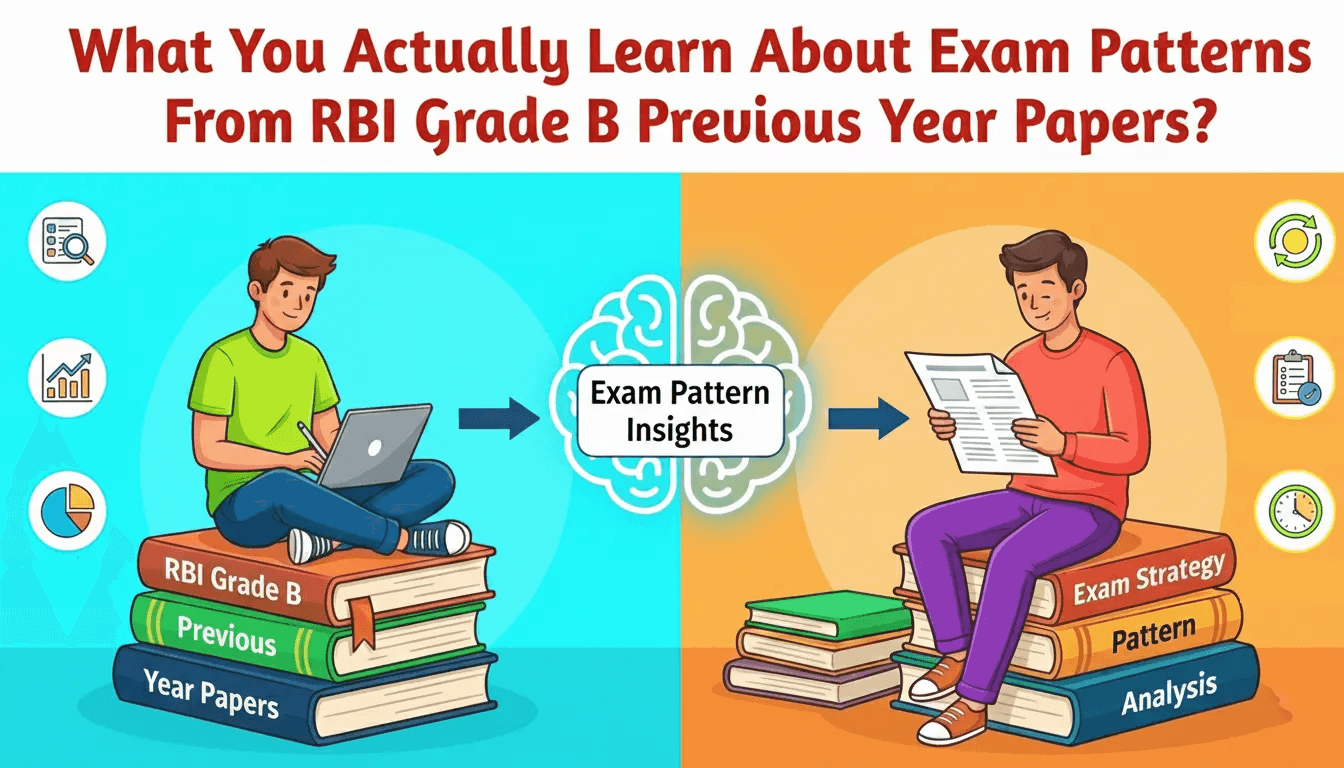
What You Actually Learn About Exam Patterns From RBI Grade B Previous Year Papers?
Last updated on: February 9, 2026Posted by: ExamRadar