Question: HTML tags define
Answer:
No, HTML tags do not directly define the presentation of specified elements of a document. HTML tags are used to structure and mark up the content of a web page, providing semantic meaning to different parts of the document.
HTML (Hypertext Markup Language) tags describe the structure and content hierarchy of the web page rather than the visual presentation. They define the elements of a document such as headings, paragraphs, lists, tables, images, links, and more. Each HTML tag has a specific purpose and semantic meaning.
The visual presentation of HTML elements, including their layout, styling, colors, fonts, and other visual properties, is primarily controlled by CSS (Cascading Style Sheets). CSS is used to separate the presentation and layout from the HTML structure, allowing web developers to apply consistent styles and formatting to HTML elements across multiple pages.
By using CSS, web developers can define rules and styles that specify how HTML elements should be displayed, such as setting the font size, background color, margins, borders, and positioning. CSS provides the flexibility to customize the visual appearance of HTML elements independently of the underlying HTML structure.
Therefore, while HTML tags provide the structure and semantic meaning of elements in a document, CSS is responsible for defining the presentation and visual styling of those elements. The separation of HTML and CSS allows for easier maintenance, consistent styling, and better accessibility and usability of web pages.
MCQ: HTML tags define
Explanation:
No, HTML tags do not directly define the presentation of specified elements of a document. HTML tags are used to structure and mark up the content of a web page, providing semantic meaning to different parts of the document.
HTML (Hypertext Markup Language) tags describe the structure and content hierarchy of the web page rather than the visual presentation. They define the elements of a document such as headings, paragraphs, lists, tables, images, links, and more. Each HTML tag has a specific purpose and semantic meaning.
The visual presentation of HTML elements, including their layout, styling, colors, fonts, and other visual properties, is primarily controlled by CSS (Cascading Style Sheets). CSS is used to separate the presentation and layout from the HTML structure, allowing web developers to apply consistent styles and formatting to HTML elements across multiple pages.
By using CSS, web developers can define rules and styles that specify how HTML elements should be displayed, such as setting the font size, background color, margins, borders, and positioning. CSS provides the flexibility to customize the visual appearance of HTML elements independently of the underlying HTML structure.
Therefore, while HTML tags provide the structure and semantic meaning of elements in a document, CSS is responsible for defining the presentation and visual styling of those elements. The separation of HTML and CSS allows for easier maintenance, consistent styling, and better accessibility and usability of web pages.
Discuss a Question
Related Questions
- 1. CGI is mostly associated with a _______ document.
- 2. Java is mostly associated with a _______ document.
- 3. The advantages of XML over HTML are (i) It allows processing of data stored in web-pages (ii) It uses meaningful tags which aids in understanding the nature of a document (iii) Is simpler than HTML (iv)It separates presentation and structure of document
- 4. In HTTP, the message sent from the server to the client is called a ______
- 5. A request or a response in HTTP is made of _______ components
- 6. The first section of a request message in HTTP is the __________.
- 7. The tag used in HTML to link it with other URL’s is
- 8. The tags used for specifying fonts BOLD and Italic in HTML are (i) “<B>” (ii) “<I>” (iii) “<U>” (iv) “<L>”
- 9. A web page document that is stored in the server and can be retrieved by a browser is called a _______ document
- 10. A web page document that is stored in the server but should be run before the result can be retrieved by a browser is called a _______ document.
You may be interested in:
Web Fundamental MCQsRecently Added Articles
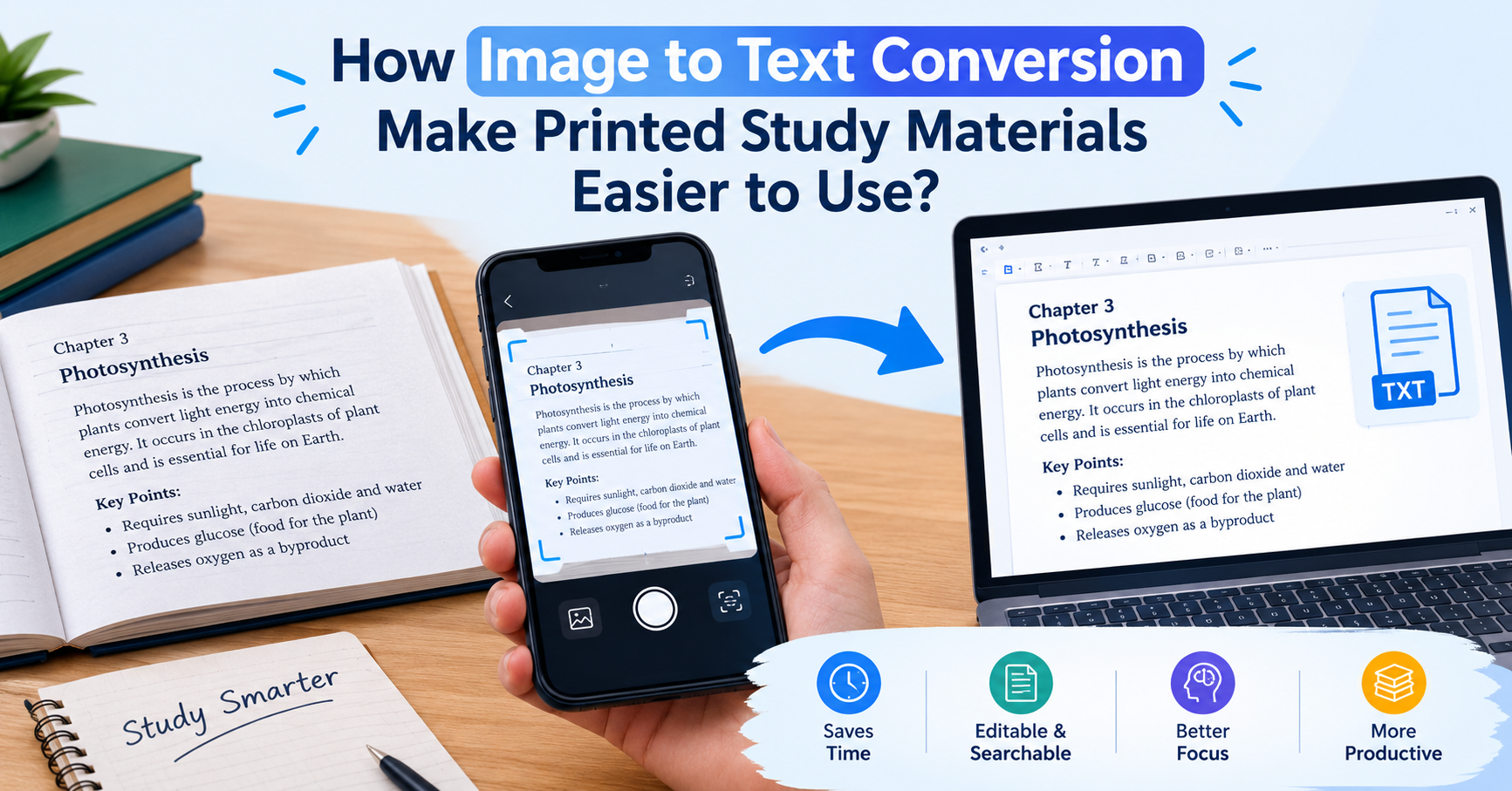
How Image to Text Conversion Make Printed Study Materials Easier to Use?
Last updated on: October 23, 2026Posted by: ExamRadar

7 Best Online Exam Makers for Teachers, Schools, and Businesses
Last updated on: October 21, 2026Posted by: ExamRadar

How to pick a Bintan resort when you’ve only got 48 hours
Last updated on: September 23, 2026Posted by: ExamRadar

Features to Look for While Choosing the Best Automation Tool
Last updated on: July 15, 2026Posted by: ExamRadar
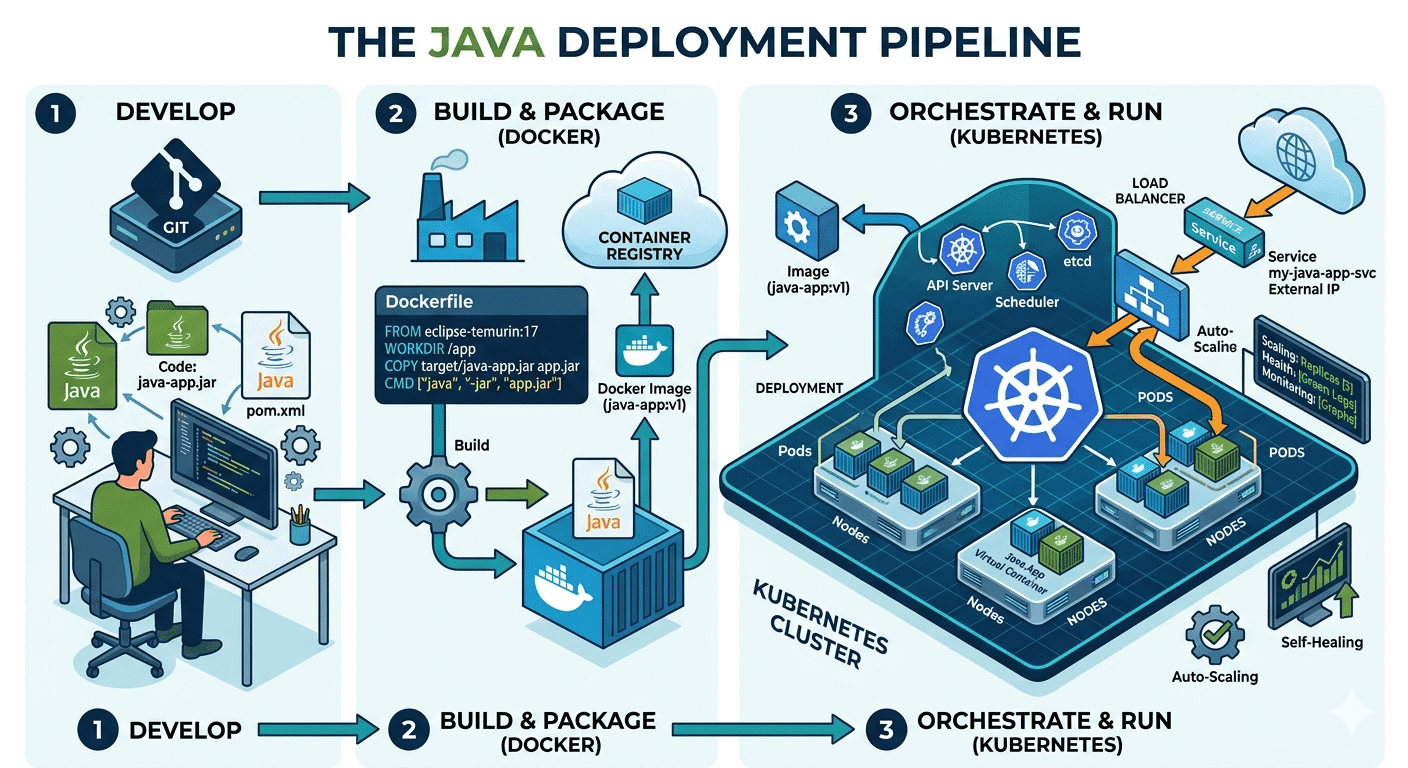
How Do Java Development Teams Use Docker and Kubernetes to Deploy Applications?
Last updated on: April 24, 2026Posted by: ExamRadar

AI vs Machine Learning: Key Differences Every Professional Should Know
Last updated on: February 13, 2026Posted by: ExamRadar

Office Cleaning Services That Elevate Sydney Offices
Last updated on: February 11, 2026Posted by: ExamRadar
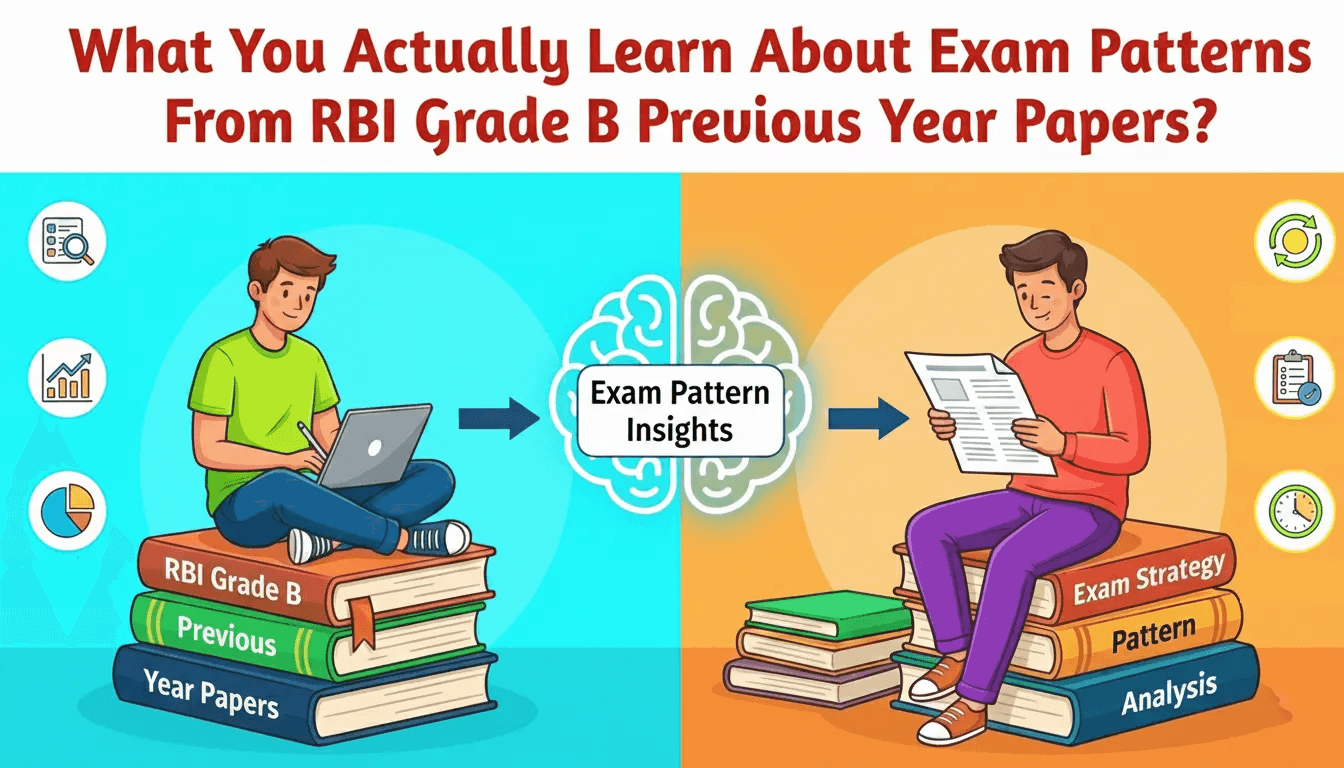
What You Actually Learn About Exam Patterns From RBI Grade B Previous Year Papers?
Last updated on: February 9, 2026Posted by: ExamRadar