Question: What is ISP related to internet?
Answer:
ISP stands for Internet Service Provider. It is a company or organization that provides access to the internet for individuals, businesses, and other entities. ISPs offer various types of internet connectivity services, allowing users to connect to the internet and access online resources.
Here are some key aspects related to ISPs and the services they provide:
1. Internet Connectivity: ISPs offer different types of internet connections, such as broadband (DSL, cable, fiber optic), dial-up, satellite, or wireless (mobile data, Wi-Fi). They establish the necessary infrastructure and network connectivity to enable users to access the internet.
2. Internet Access: ISPs provide users with the means to connect their devices (computers, smartphones, tablets, etc.) to the internet. This involves providing customers with modems, routers, or other equipment necessary for establishing the connection.
3. Bandwidth and Data Transfer: ISPs offer various internet plans with different bandwidth options, which determine the speed of data transmission. Bandwidth affects the rate at which data can be downloaded or uploaded. ISPs may also have data transfer limits or offer unlimited data plans, depending on the service package.
4. Email and Web Hosting: ISPs often provide email services and web hosting solutions to their customers. They may offer email accounts, email storage, and web servers for hosting websites, allowing users to create personalized email addresses and publish web content.
5. Additional Services: Some ISPs offer additional services such as virtual private networks (VPNs), domain name registration, online storage, security features, and technical support.
6. Peering and Routing: ISPs engage in peering agreements with other ISPs to exchange traffic efficiently. They also handle the routing of internet traffic, ensuring that data packets are sent to their intended destinations across different networks.
7. Internet Service Regulations: ISPs are subject to various regulations and policies concerning privacy, net neutrality, data protection, and lawful interception of communications. These regulations may vary by country or region.
Examples of well-known ISPs include Comcast, AT&T, Verizon, Spectrum, BT, Deutsche Telekom, and many others that provide internet access to individuals and businesses around the world. Users typically subscribe to an ISP's service and pay a monthly fee for the internet connectivity and related services they provide.
MCQ: What is full form of ISP related to internet?
Explanation:
ISP stands for Internet Service Provider. It is a company or organization that provides access to the internet for individuals, businesses, and other entities. ISPs offer various types of internet connectivity services, allowing users to connect to the internet and access online resources.
Here are some key aspects related to ISPs and the services they provide:
1. Internet Connectivity: ISPs offer different types of internet connections, such as broadband (DSL, cable, fiber optic), dial-up, satellite, or wireless (mobile data, Wi-Fi). They establish the necessary infrastructure and network connectivity to enable users to access the internet.
2. Internet Access: ISPs provide users with the means to connect their devices (computers, smartphones, tablets, etc.) to the internet. This involves providing customers with modems, routers, or other equipment necessary for establishing the connection.
3. Bandwidth and Data Transfer: ISPs offer various internet plans with different bandwidth options, which determine the speed of data transmission. Bandwidth affects the rate at which data can be downloaded or uploaded. ISPs may also have data transfer limits or offer unlimited data plans, depending on the service package.
4. Email and Web Hosting: ISPs often provide email services and web hosting solutions to their customers. They may offer email accounts, email storage, and web servers for hosting websites, allowing users to create personalized email addresses and publish web content.
5. Additional Services: Some ISPs offer additional services such as virtual private networks (VPNs), domain name registration, online storage, security features, and technical support.
6. Peering and Routing: ISPs engage in peering agreements with other ISPs to exchange traffic efficiently. They also handle the routing of internet traffic, ensuring that data packets are sent to their intended destinations across different networks.
7. Internet Service Regulations: ISPs are subject to various regulations and policies concerning privacy, net neutrality, data protection, and lawful interception of communications. These regulations may vary by country or region.
Examples of well-known ISPs include Comcast, AT&T, Verizon, Spectrum, BT, Deutsche Telekom, and many others that provide internet access to individuals and businesses around the world. Users typically subscribe to an ISP's service and pay a monthly fee for the internet connectivity and related services they provide.
Discuss a Question
Related Questions
- 1. The process of moving from one website to another web site is known as
- 2. In <a href="mailto:[email protected]">[email protected]</a>, what is abc?
- 3. The process of pressing the mouse button two times is known as?
- 4. What is the order of keys from left to right in the first row of keyboard?
- 5. In general how much is the storage capacity of CD?
- 6. In which form the data is stored in CD/DVD?
- 7. lists of programs that fall into the MS Office Package are ?
- 8. The process of changing the software version from OLD to New is known as?
- 9. Which option is chosen to rename any file or folder by right clicking on it?
- 10. To display page vertically in MS Word which of the option is used?
You may be interested in:
Computer Basics MCQsRecently Added Articles

How Image to Text Conversion Make Printed Study Materials Easier to Use?
Last updated on: October 23, 2026Posted by: ExamRadar
7 Best Online Exam Makers for Teachers, Schools, and Businesses
Last updated on: October 21, 2026Posted by: ExamRadar

How to pick a Bintan resort when you’ve only got 48 hours
Last updated on: September 23, 2026Posted by: ExamRadar

Features to Look for While Choosing the Best Automation Tool
Last updated on: July 15, 2026Posted by: ExamRadar
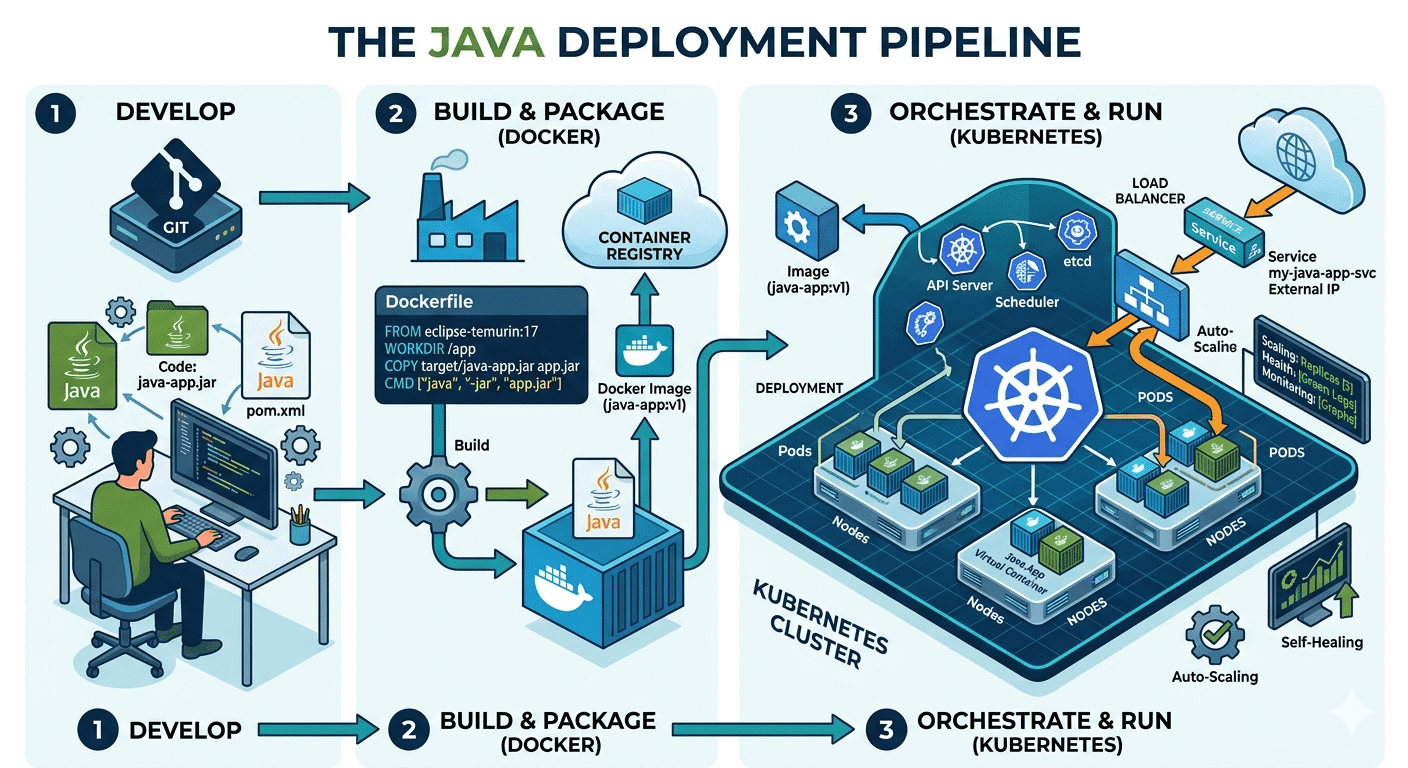
How Do Java Development Teams Use Docker and Kubernetes to Deploy Applications?
Last updated on: April 24, 2026Posted by: ExamRadar

AI vs Machine Learning: Key Differences Every Professional Should Know
Last updated on: February 13, 2026Posted by: ExamRadar

Office Cleaning Services That Elevate Sydney Offices
Last updated on: February 11, 2026Posted by: ExamRadar

What You Actually Learn About Exam Patterns From RBI Grade B Previous Year Papers?
Last updated on: February 9, 2026Posted by: ExamRadar