Question: What is C2C business model?
Answer:
C2C (Customer-to-Customer) is a business model that facilitates transactions and interactions directly between individual customers, typically facilitated through an online platform or marketplace. In a C2C business model, individuals can buy, sell, trade, or exchange products or services with other individuals.
The C2C model gained prominence with the rise of e-commerce and online marketplaces, where individuals can create listings, advertise their products or services, and engage in transactions with other users of the platform. Some well-known examples of C2C platforms include eBay, Craigslist, Etsy, and Airbnb.
Key characteristics of the C2C business model include:
1. Peer-to-peer transactions: The model enables individuals to engage in direct transactions with other individuals, bypassing traditional intermediaries like retailers or wholesalers.
2. User-generated content: Users create their listings, provide product descriptions, set prices, and manage their own transactions.
3. Platform facilitation: The C2C platform acts as a facilitator, providing a platform for users to connect, communicate, and conduct transactions. The platform may offer features such as secure payment processing, messaging systems, and reputation systems to build trust between users.
4. Variety of products and services: C2C platforms often host a wide range of products and services, including used or second-hand items, handmade goods, rentals, freelance services, and more.
5. Feedback and reputation systems: C2C platforms typically include feedback mechanisms that allow buyers and sellers to rate and provide reviews about their experiences, helping to establish trust and credibility within the community.
The C2C model provides individuals with opportunities to monetize their assets, skills, or resources and enables consumers to find unique or specialized products and services from other individuals. It leverages the power of peer-to-peer connections and online marketplaces to facilitate transactions and create value within a community of users.
MCQ: Which of the following is not a C2C business model?
Explanation:
C2C (Customer-to-Customer) is a business model that facilitates transactions and interactions directly between individual customers, typically facilitated through an online platform or marketplace. In a C2C business model, individuals can buy, sell, trade, or exchange products or services with other individuals.
The C2C model gained prominence with the rise of e-commerce and online marketplaces, where individuals can create listings, advertise their products or services, and engage in transactions with other users of the platform. Some well-known examples of C2C platforms include eBay, Craigslist, Etsy, and Airbnb.
Key characteristics of the C2C business model include:
1. Peer-to-peer transactions: The model enables individuals to engage in direct transactions with other individuals, bypassing traditional intermediaries like retailers or wholesalers.
2. User-generated content: Users create their listings, provide product descriptions, set prices, and manage their own transactions.
3. Platform facilitation: The C2C platform acts as a facilitator, providing a platform for users to connect, communicate, and conduct transactions. The platform may offer features such as secure payment processing, messaging systems, and reputation systems to build trust between users.
4. Variety of products and services: C2C platforms often host a wide range of products and services, including used or second-hand items, handmade goods, rentals, freelance services, and more.
5. Feedback and reputation systems: C2C platforms typically include feedback mechanisms that allow buyers and sellers to rate and provide reviews about their experiences, helping to establish trust and credibility within the community.
The C2C model provides individuals with opportunities to monetize their assets, skills, or resources and enables consumers to find unique or specialized products and services from other individuals. It leverages the power of peer-to-peer connections and online marketplaces to facilitate transactions and create value within a community of users.
Discuss a Question
Related Questions
- 1. Electronic wallets refer to
- 2. Match the following terms: <img src="http://examradar.com/wp-content/uploads/2017/02/web-internet-fundamental-mcq-2.png" alt="web-internet-fundamental-mcq-2" width="867" height="232" class="alignnone size-full wp-image-5276" />
- 3. Digital Library of India is a library with
- 4. What is COBIT ?
- 5. In ERP, data migration refers to What?
- 6. Which of the following depicts correct chronological order for scope of COBIT framework
- 7. What is Request-Response Protocol?
- 8. The default size of block in Apache HDFS is
- 9. Payment Gateway refers to what?
- 10. “Collaborative application development” means?
You may be interested in:
Web Fundamental MCQsRecently Added Articles

How Image to Text Conversion Make Printed Study Materials Easier to Use?
Last updated on: October 23, 2026Posted by: ExamRadar
7 Best Online Exam Makers for Teachers, Schools, and Businesses
Last updated on: October 21, 2026Posted by: ExamRadar

How to pick a Bintan resort when you’ve only got 48 hours
Last updated on: September 23, 2026Posted by: ExamRadar
Features to Look for While Choosing the Best Automation Tool
Last updated on: July 15, 2026Posted by: ExamRadar
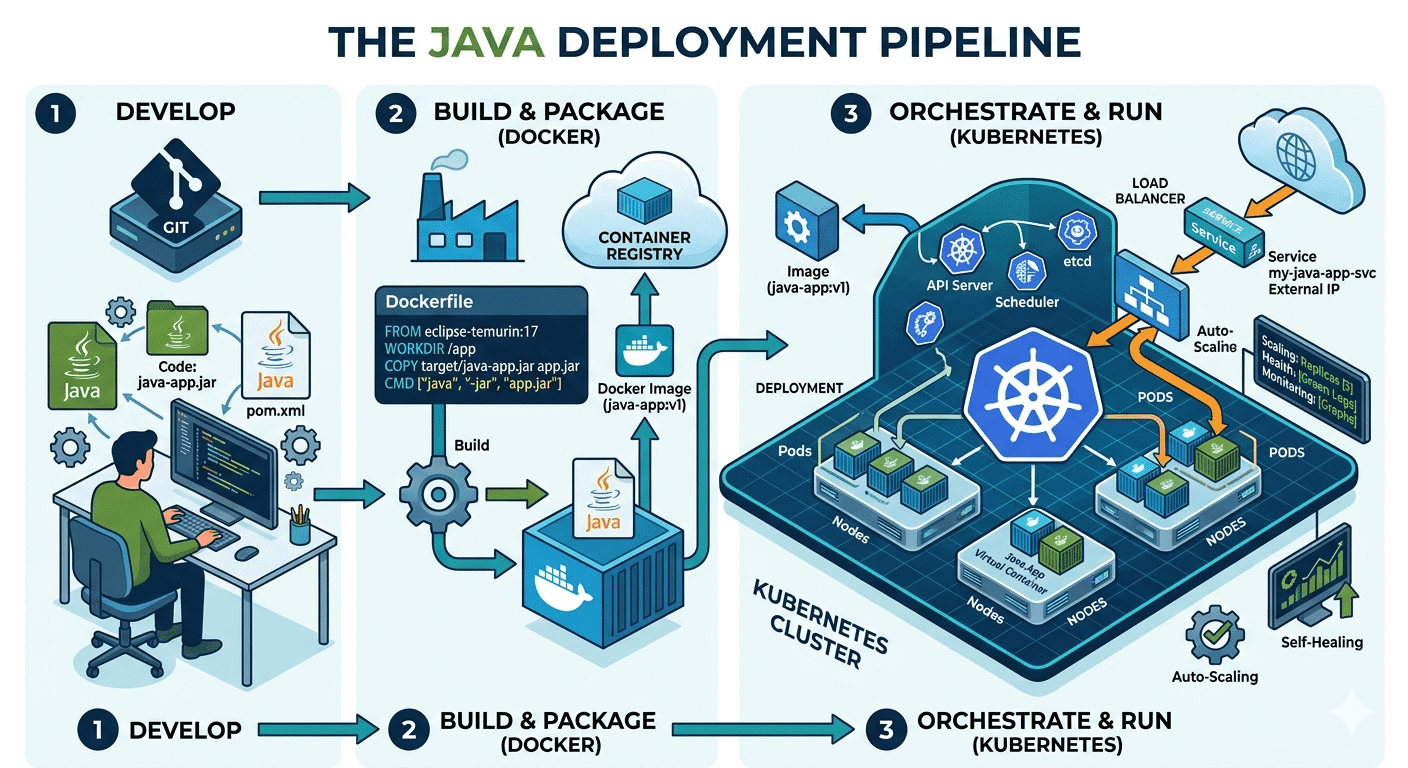
How Do Java Development Teams Use Docker and Kubernetes to Deploy Applications?
Last updated on: April 24, 2026Posted by: ExamRadar

AI vs Machine Learning: Key Differences Every Professional Should Know
Last updated on: February 13, 2026Posted by: ExamRadar

Office Cleaning Services That Elevate Sydney Offices
Last updated on: February 11, 2026Posted by: ExamRadar

What You Actually Learn About Exam Patterns From RBI Grade B Previous Year Papers?
Last updated on: February 9, 2026Posted by: ExamRadar