Question: If routing information is automatically updated by routers when changes are made to the network configuration are called
Answer:
When routing information is automatically updated by routers when changes are made to the network configuration, it is commonly referred to as "dynamic routing." Dynamic routing protocols are designed to automatically exchange routing information among routers, allowing them to adapt to changes in the network topology and update their routing tables accordingly.
Dynamic routing protocols employ various algorithms and mechanisms to exchange information about network reachability, link states, and metrics. When a change occurs, such as the addition or removal of a network link or a change in link status, routers using dynamic routing protocols share this information with their neighboring routers. Through this process of exchanging routing updates, routers can dynamically update their routing tables to reflect the current network topology and choose the best paths for forwarding packets.
Some popular dynamic routing protocols include OSPF (Open Shortest Path First), RIP (Routing Information Protocol), EIGRP (Enhanced Interior Gateway Routing Protocol), and BGP (Border Gateway Protocol). Each protocol has its own characteristics, such as the way they calculate routes, handle metric calculations, and distribute routing updates.
In contrast, "static routing" refers to manually configuring routing information on routers, where network administrators manually define the routes and specify the next hop for each destination network. Static routing does not involve automatic updates based on network changes and requires manual intervention to modify the routing configuration when network changes occur.
Dynamic routing offers advantages such as scalability, adaptability to network changes, and load balancing capabilities. However, it also introduces additional overhead and complexity compared to static routing. The choice between dynamic and static routing depends on the specific requirements and characteristics of the network.
MCQ: If routing information is automatically updated by routers when changes are made to the network configuration are called
Explanation:
When routing information is automatically updated by routers when changes are made to the network configuration, it is commonly referred to as "dynamic routing." Dynamic routing protocols are designed to automatically exchange routing information among routers, allowing them to adapt to changes in the network topology and update their routing tables accordingly.
Dynamic routing protocols employ various algorithms and mechanisms to exchange information about network reachability, link states, and metrics. When a change occurs, such as the addition or removal of a network link or a change in link status, routers using dynamic routing protocols share this information with their neighboring routers. Through this process of exchanging routing updates, routers can dynamically update their routing tables to reflect the current network topology and choose the best paths for forwarding packets.
Some popular dynamic routing protocols include OSPF (Open Shortest Path First), RIP (Routing Information Protocol), EIGRP (Enhanced Interior Gateway Routing Protocol), and BGP (Border Gateway Protocol). Each protocol has its own characteristics, such as the way they calculate routes, handle metric calculations, and distribute routing updates.
In contrast, "static routing" refers to manually configuring routing information on routers, where network administrators manually define the routes and specify the next hop for each destination network. Static routing does not involve automatic updates based on network changes and requires manual intervention to modify the routing configuration when network changes occur.
Dynamic routing offers advantages such as scalability, adaptability to network changes, and load balancing capabilities. However, it also introduces additional overhead and complexity compared to static routing. The choice between dynamic and static routing depends on the specific requirements and characteristics of the network.
Discuss a Question
Related Questions
- 1. ARP stands for
- 2. If two or more routers are connected to the same subnet, the network administration determines which of the routers the messages should be sent to eliminate this problem._____ are used?
- 3. If two or more routers are available in distributed routing, which route should be selected
- 4. Multi-path routing can be achieved in
- 5. Distance vector protocols are
- 6. The word PPP stands for
- 7. The frequency range of wireless LAN is
- 8. _______ are wireless network standard with a data rate of only 2Mbps
- 9. Cellular radio has another popular names as
- 10. The disadvantages of mobile communication are
You may be interested in:
Data Communication & Networking MCQsRecently Added Articles

How Image to Text Conversion Make Printed Study Materials Easier to Use?
Last updated on: October 23, 2026Posted by: ExamRadar

7 Best Online Exam Makers for Teachers, Schools, and Businesses
Last updated on: October 21, 2026Posted by: ExamRadar

How to pick a Bintan resort when you’ve only got 48 hours
Last updated on: September 23, 2026Posted by: ExamRadar

Features to Look for While Choosing the Best Automation Tool
Last updated on: July 15, 2026Posted by: ExamRadar
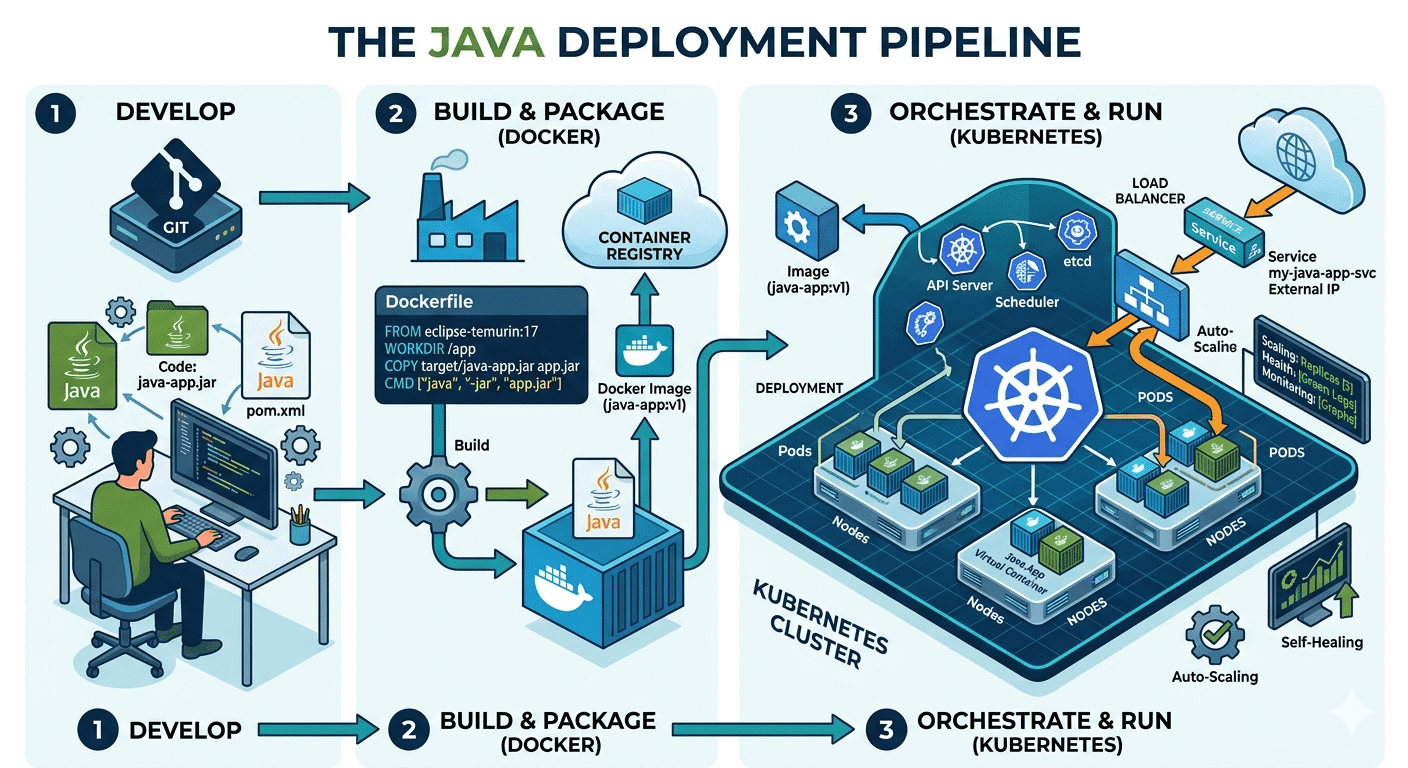
How Do Java Development Teams Use Docker and Kubernetes to Deploy Applications?
Last updated on: April 24, 2026Posted by: ExamRadar

AI vs Machine Learning: Key Differences Every Professional Should Know
Last updated on: February 13, 2026Posted by: ExamRadar

Office Cleaning Services That Elevate Sydney Offices
Last updated on: February 11, 2026Posted by: ExamRadar

What You Actually Learn About Exam Patterns From RBI Grade B Previous Year Papers?
Last updated on: February 9, 2026Posted by: ExamRadar