Question: GSM(Global System for Mobile Communication) is a _______ digital mobile telephones standard using a combination Time Division Multiple Access(TDMA) and FDMA(Frequency Division Multiple Access)
Answer:
Yes, GSM (Global System for Mobile Communication) is a second-generation (2G) mobile telecommunication standard. It was developed in the 1980s and became the most widely used 2G standard globally. GSM introduced digital voice communication, improved call quality, and offered data services such as text messaging (SMS).
The combination of TDMA (Time Division Multiple Access) and FDMA (Frequency Division Multiple Access) in GSM allowed for efficient use of the available frequency spectrum and enabled multiple simultaneous connections within a cell. GSM provided a significant leap in mobile communication technology compared to its predecessor, 1G analog systems.
GSM's success and widespread adoption laid the foundation for the evolution of mobile networks and subsequent generations, such as 3G (UMTS) and 4G (LTE), which offered enhanced data speeds and capabilities. However, as a 2G technology, GSM has been largely superseded by these later generations, which provide faster data rates and support more advanced features and applications.
MCQ: GSM(Global System for Mobile Communication) is a _______ digital mobile telephones standard using a combination Time Division Multiple Access(TDMA) and FDMA(Frequency Division Multiple Access)
Explanation:
Yes, GSM (Global System for Mobile Communication) is a second-generation (2G) mobile telecommunication standard. It was developed in the 1980s and became the most widely used 2G standard globally. GSM introduced digital voice communication, improved call quality, and offered data services such as text messaging (SMS).
The combination of TDMA (Time Division Multiple Access) and FDMA (Frequency Division Multiple Access) in GSM allowed for efficient use of the available frequency spectrum and enabled multiple simultaneous connections within a cell. GSM provided a significant leap in mobile communication technology compared to its predecessor, 1G analog systems.
GSM's success and widespread adoption laid the foundation for the evolution of mobile networks and subsequent generations, such as 3G (UMTS) and 4G (LTE), which offered enhanced data speeds and capabilities. However, as a 2G technology, GSM has been largely superseded by these later generations, which provide faster data rates and support more advanced features and applications.
Discuss a Question
Related Questions
- 1. How many frames are included for traffic in TDMA , if the total duration of traffic is 100 seconds and each frame in the TDMA system has a duration of 5 seconds.
- 2. What is the port number of the HTTP
- 3. What is the port number of the SMTP
- 4. TCP is ______________
- 5. Which is a network protocol that is based on UDP and is a component of the Internet Protocol Suite, defined by IETF(Internet Engineering Task Force)
- 6. In X.25 defines the protocols from ____layer to _______layer
- 7. Advantages of cell relay are
- 8. When compared with the OSI reference model, the IEEE standard contains the following layers:
- 9. In a token ring, the stations are connected to the __________
- 10. A _________ preamble is used to synchronize the receiver’s clock
You may be interested in:
Data Communication & Networking MCQsRecently Added Articles
How Image to Text Conversion Make Printed Study Materials Easier to Use?
Last updated on: October 23, 2026Posted by: ExamRadar
7 Best Online Exam Makers for Teachers, Schools, and Businesses
Last updated on: October 21, 2026Posted by: ExamRadar

How to pick a Bintan resort when you’ve only got 48 hours
Last updated on: September 23, 2026Posted by: ExamRadar

Features to Look for While Choosing the Best Automation Tool
Last updated on: July 15, 2026Posted by: ExamRadar
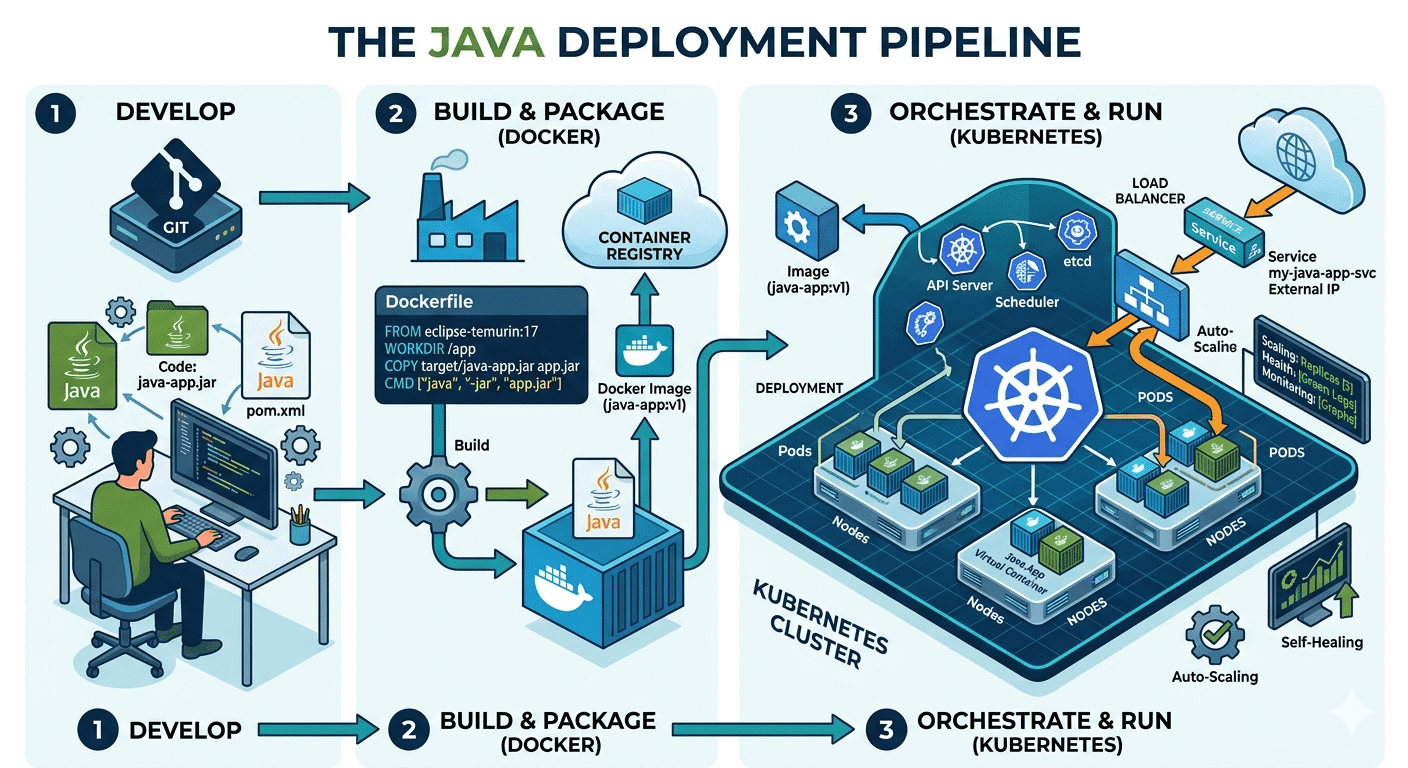
How Do Java Development Teams Use Docker and Kubernetes to Deploy Applications?
Last updated on: April 24, 2026Posted by: ExamRadar

AI vs Machine Learning: Key Differences Every Professional Should Know
Last updated on: February 13, 2026Posted by: ExamRadar
Office Cleaning Services That Elevate Sydney Offices
Last updated on: February 11, 2026Posted by: ExamRadar

What You Actually Learn About Exam Patterns From RBI Grade B Previous Year Papers?
Last updated on: February 9, 2026Posted by: ExamRadar