Question: Second Generation computers were developed during
Answer:
Second-generation computers were developed during the 1950s to the early 1960s. This period marked a significant advancement in computer technology compared to the first-generation computers.
Key characteristics of second-generation computers include:
1. Transistors: The major innovation in second-generation computers was the replacement of vacuum tubes with transistors. Transistors were smaller, more reliable, and consumed less power than vacuum tubes. They allowed for faster and more efficient data processing.
2. Magnetic Core Memory: Second-generation computers utilized magnetic core memory for data storage. Magnetic cores were small rings of magnetic material that could be magnetized or demagnetized to represent binary data. This form of memory was faster, more reliable, and had higher storage capacity than the mercury delay line memory used in first-generation computers.
3. Assembly Language and High-Level Languages: Second-generation computers saw the emergence of assembly language and high-level programming languages. Assembly language allowed programmers to write instructions using mnemonic codes that were easier to understand than machine language. High-level languages, such as COBOL and FORTRAN, provided even greater abstraction and ease of programming.
4. Batch Processing and Operating Systems: Second-generation computers introduced batch processing, where multiple jobs or tasks were collected and processed together in a sequence. This improved overall system efficiency. Additionally, operating systems were developed to manage and control the execution of programs, memory allocation, and input/output operations.
5. Decreased Size and Increased Reliability: Second-generation computers were smaller, more compact, and more reliable compared to their first-generation counterparts. The use of transistors and improved manufacturing techniques allowed for miniaturization and enhanced overall system reliability.
Prominent examples of second-generation computers include IBM 1401, IBM 7090, and UNIVAC 1107. These computers were faster, more powerful, and more accessible than their predecessors, and they played a significant role in the widespread adoption of computing technology in various industries and sectors.
MCQ: Second Generation computers were developed during
Explanation:
Second-generation computers were developed during the 1950s to the early 1960s. This period marked a significant advancement in computer technology compared to the first-generation computers.
Key characteristics of second-generation computers include:
1. Transistors: The major innovation in second-generation computers was the replacement of vacuum tubes with transistors. Transistors were smaller, more reliable, and consumed less power than vacuum tubes. They allowed for faster and more efficient data processing.
2. Magnetic Core Memory: Second-generation computers utilized magnetic core memory for data storage. Magnetic cores were small rings of magnetic material that could be magnetized or demagnetized to represent binary data. This form of memory was faster, more reliable, and had higher storage capacity than the mercury delay line memory used in first-generation computers.
3. Assembly Language and High-Level Languages: Second-generation computers saw the emergence of assembly language and high-level programming languages. Assembly language allowed programmers to write instructions using mnemonic codes that were easier to understand than machine language. High-level languages, such as COBOL and FORTRAN, provided even greater abstraction and ease of programming.
4. Batch Processing and Operating Systems: Second-generation computers introduced batch processing, where multiple jobs or tasks were collected and processed together in a sequence. This improved overall system efficiency. Additionally, operating systems were developed to manage and control the execution of programs, memory allocation, and input/output operations.
5. Decreased Size and Increased Reliability: Second-generation computers were smaller, more compact, and more reliable compared to their first-generation counterparts. The use of transistors and improved manufacturing techniques allowed for miniaturization and enhanced overall system reliability.
Prominent examples of second-generation computers include IBM 1401, IBM 7090, and UNIVAC 1107. These computers were faster, more powerful, and more accessible than their predecessors, and they played a significant role in the widespread adoption of computing technology in various industries and sectors.
Discuss a Question
Related Questions
- 1. The computer size was very large in
- 2. Microprocessors as switching devices are for which generation computers
- 3. Which of the following devices can be sued to directly image printed text?
- 4. The output quality of a printer is measured by
- 5. In analogue computer
- 6. In latest generation computers, the instructions are executed
- 7. Who designed the first electronics computer – ENIAC?
- 8. Who invented the high level language “C”?
- 9. Personnel who design, program, operate and maintain computer equipment refers to
- 10. When did arch rivals IBM and Apple Computers Inc. decide to join hands?
You may be interested in:
Computer Basics MCQsRecently Added Articles

How Image to Text Conversion Make Printed Study Materials Easier to Use?
Last updated on: October 23, 2026Posted by: ExamRadar

7 Best Online Exam Makers for Teachers, Schools, and Businesses
Last updated on: October 21, 2026Posted by: ExamRadar

How to pick a Bintan resort when you’ve only got 48 hours
Last updated on: September 23, 2026Posted by: ExamRadar
Features to Look for While Choosing the Best Automation Tool
Last updated on: July 15, 2026Posted by: ExamRadar
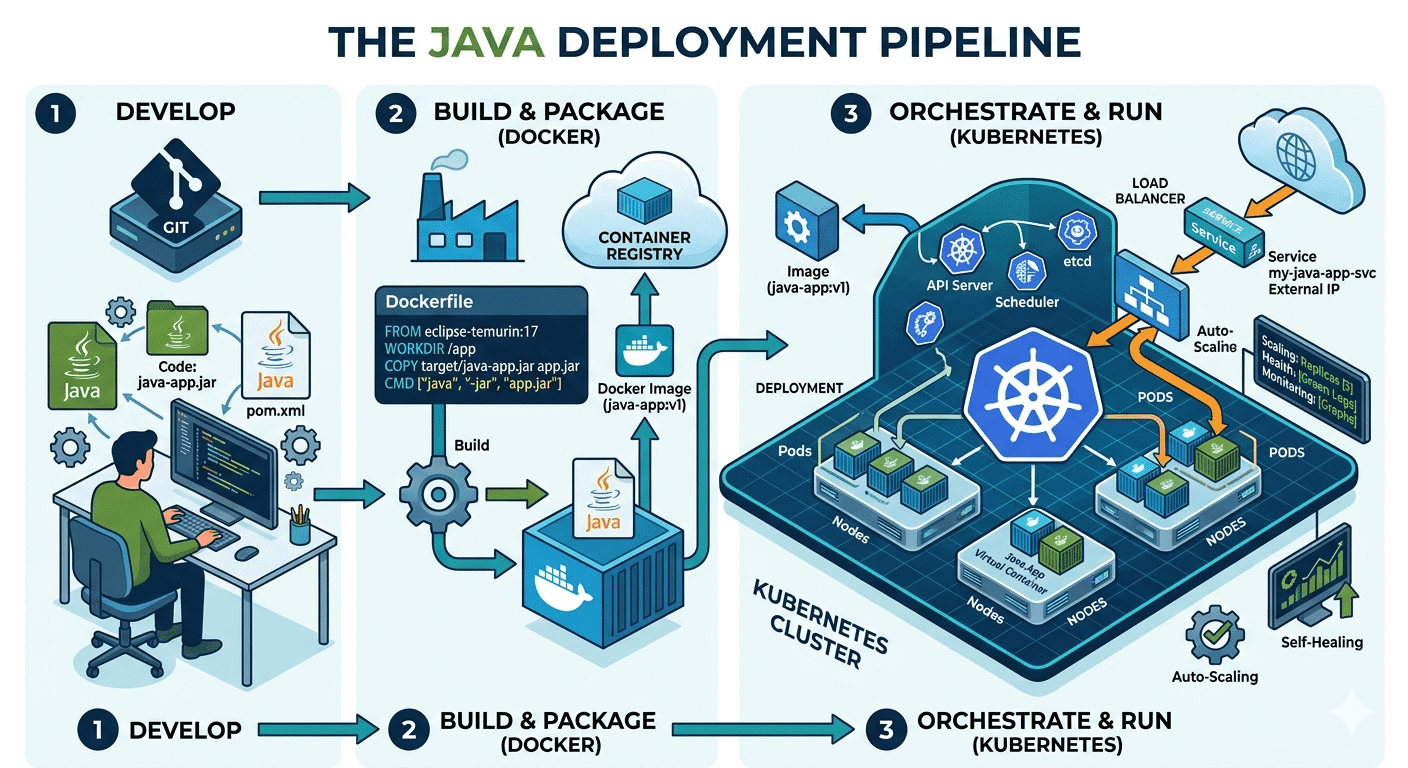
How Do Java Development Teams Use Docker and Kubernetes to Deploy Applications?
Last updated on: April 24, 2026Posted by: ExamRadar
AI vs Machine Learning: Key Differences Every Professional Should Know
Last updated on: February 13, 2026Posted by: ExamRadar

Office Cleaning Services That Elevate Sydney Offices
Last updated on: February 11, 2026Posted by: ExamRadar

What You Actually Learn About Exam Patterns From RBI Grade B Previous Year Papers?
Last updated on: February 9, 2026Posted by: ExamRadar