Question: ………… Store data or information temporarily and pass it on as directed by the control unit
Answer:
The component that stores data or information temporarily and passes it on as directed by the control unit is the "Registers."
Registers are small, high-speed memory locations within the CPU that store data or instructions that are being actively used by the CPU during its operation. They are used to hold data temporarily for immediate processing and facilitate quick access to frequently used data or instructions.
Registers play a crucial role in the functioning of the CPU and are directly accessed by the control unit. They store operands for arithmetic and logical operations, intermediate results, memory addresses, program counters, and other control information.
The control unit manages the flow of data between registers and other components of the CPU. It directs the transfer of data between registers, the arithmetic logic unit (ALU), and memory based on the execution of instructions.
The use of registers allows for faster data access and processing as compared to accessing data directly from memory. By temporarily storing frequently accessed data and instructions in registers, the CPU can perform operations more efficiently, reducing the need to access main memory frequently.
In summary, registers in a CPU store data or information temporarily and pass it on as directed by the control unit, enhancing the overall speed and efficiency of data processing.
MCQ: ………… Store data or information temporarily and pass it on as directed by the control unit
Explanation:
The component that stores data or information temporarily and passes it on as directed by the control unit is the "Registers."
Registers are small, high-speed memory locations within the CPU that store data or instructions that are being actively used by the CPU during its operation. They are used to hold data temporarily for immediate processing and facilitate quick access to frequently used data or instructions.
Registers play a crucial role in the functioning of the CPU and are directly accessed by the control unit. They store operands for arithmetic and logical operations, intermediate results, memory addresses, program counters, and other control information.
The control unit manages the flow of data between registers and other components of the CPU. It directs the transfer of data between registers, the arithmetic logic unit (ALU), and memory based on the execution of instructions.
The use of registers allows for faster data access and processing as compared to accessing data directly from memory. By temporarily storing frequently accessed data and instructions in registers, the CPU can perform operations more efficiently, reducing the need to access main memory frequently.
In summary, registers in a CPU store data or information temporarily and pass it on as directed by the control unit, enhancing the overall speed and efficiency of data processing.
Discuss a Question
Related Questions
- 1. Select the Odd one
- 2. A ………… is an additional set of commands that the computer displays after you make a selection from the main menu
- 3. COBOL is an acronym for…………
- 4. All of the following are examples of real security and privacy risks EXCEPT
- 5. Which of the following is NOT one of the four major data processing functions of a computer?
- 6. All of the following are examples of storage devices EXCEPT :
- 7. The CPU and memory are located on the :
- 8. …………… is the science that attempts to produce machines that display the same type of intelligence that humans do
- 9. Servers are computers that provide resources to other computers connected to a :
- 10. When creating a computer program, the ……… designs the structure of the program
You may be interested in:
Computer Basics MCQsRecently Added Articles
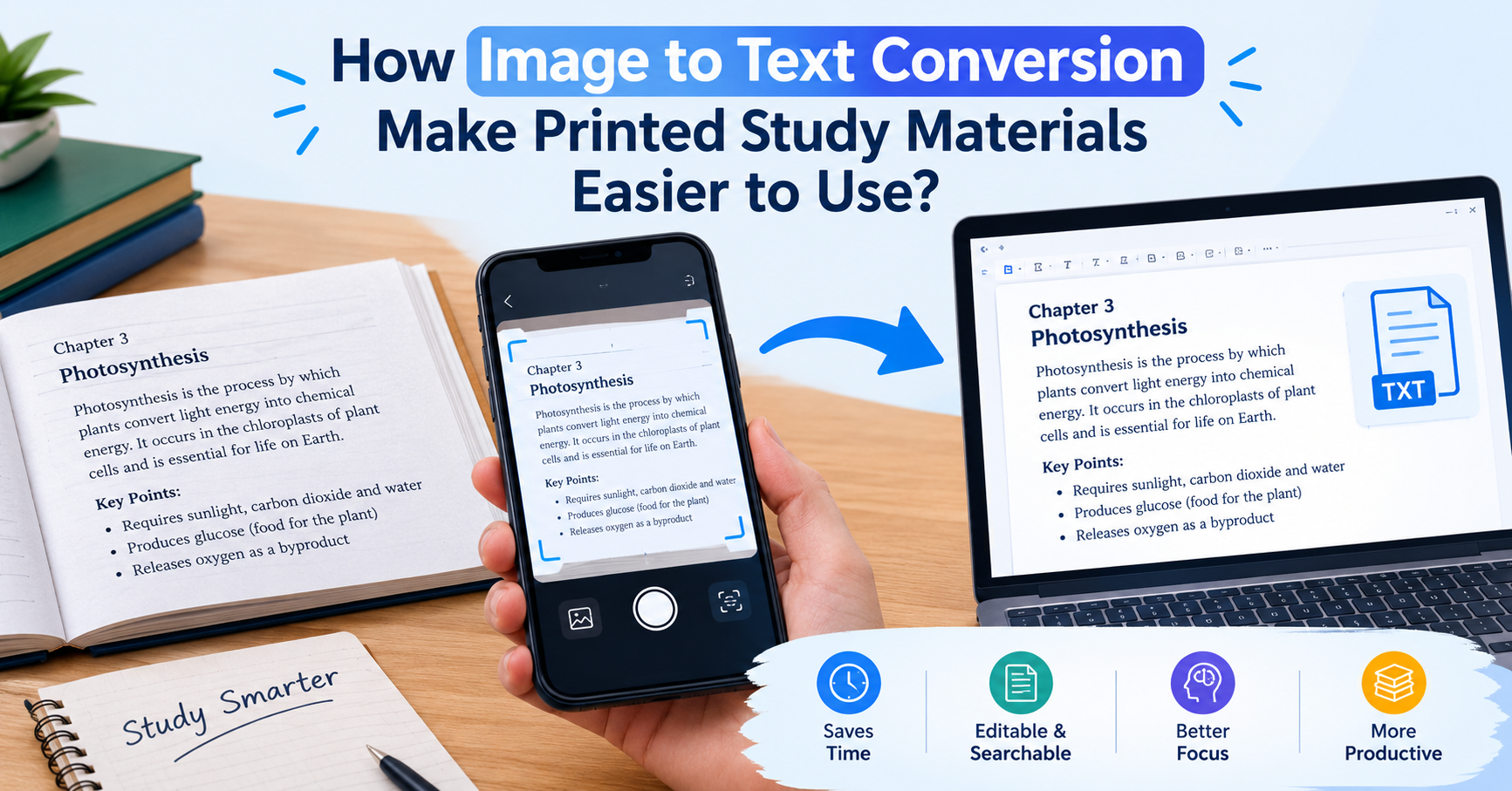
How Image to Text Conversion Make Printed Study Materials Easier to Use?
Last updated on: October 23, 2026Posted by: ExamRadar

7 Best Online Exam Makers for Teachers, Schools, and Businesses
Last updated on: October 21, 2026Posted by: ExamRadar

How to pick a Bintan resort when you’ve only got 48 hours
Last updated on: September 23, 2026Posted by: ExamRadar

Features to Look for While Choosing the Best Automation Tool
Last updated on: July 15, 2026Posted by: ExamRadar
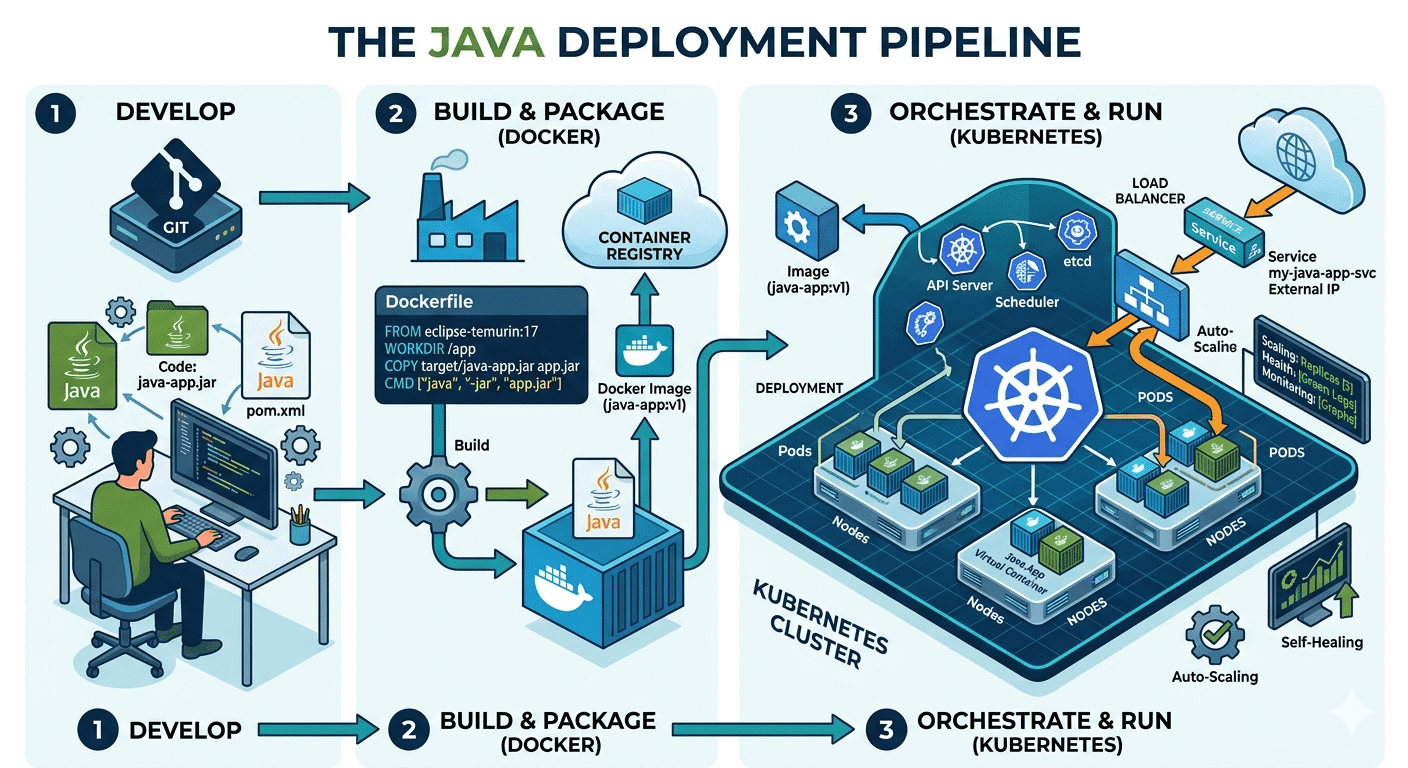
How Do Java Development Teams Use Docker and Kubernetes to Deploy Applications?
Last updated on: April 24, 2026Posted by: ExamRadar

AI vs Machine Learning: Key Differences Every Professional Should Know
Last updated on: February 13, 2026Posted by: ExamRadar

Office Cleaning Services That Elevate Sydney Offices
Last updated on: February 11, 2026Posted by: ExamRadar

What You Actually Learn About Exam Patterns From RBI Grade B Previous Year Papers?
Last updated on: February 9, 2026Posted by: ExamRadar