Question: The technology that stores only the essential instructions on a microprocessor chip and thus enhances its speed is referred to as
Answer:
RISC stands for Reduced Instruction Set Computing. It is a computer architecture design philosophy that focuses on simplicity and efficiency by using a reduced set of simple and highly optimized instructions.
In a RISC architecture, the instruction set is streamlined, consisting of a small number of basic instructions that can be executed quickly. RISC processors typically have a fixed instruction length and a large number of general-purpose registers. The design principles of RISC aim to minimize the complexity of the instruction set and simplify the instruction execution process, leading to faster and more efficient processing.
Some key characteristics of RISC architecture include:
1. Simple Instructions: RISC processors typically have a limited set of simple instructions, each performing a specific operation. The instructions are designed to execute in a single clock cycle, making them faster and more predictable.
2. Load-Store Architecture: RISC processors often follow a load-store architecture, where data is loaded from memory into registers, processed within registers, and then stored back into memory. This approach minimizes memory access operations and simplifies instruction decoding.
3. Register-Centric: RISC architectures emphasize the use of registers for temporary storage and computation. They typically have a large number of registers available, reducing the need to access memory frequently.
4. Pipelining: RISC processors often employ pipelining, a technique where multiple instructions are overlapped in execution to improve performance. This allows for concurrent execution of multiple instructions, taking advantage of the simplicity and regularity of the instruction set.
RISC architecture has been widely adopted in various computing devices, including embedded systems, mobile devices, and high-performance computing. It offers advantages such as improved performance, lower power consumption, and easier compiler design due to the simplicity and regularity of the instruction set.
MCQ: The technology that stores only the essential instructions on a microprocessor chip and thus enhances its speed is referred to as
Explanation:
RISC stands for Reduced Instruction Set Computing. It is a computer architecture design philosophy that focuses on simplicity and efficiency by using a reduced set of simple and highly optimized instructions.
In a RISC architecture, the instruction set is streamlined, consisting of a small number of basic instructions that can be executed quickly. RISC processors typically have a fixed instruction length and a large number of general-purpose registers. The design principles of RISC aim to minimize the complexity of the instruction set and simplify the instruction execution process, leading to faster and more efficient processing.
Some key characteristics of RISC architecture include:
1. Simple Instructions: RISC processors typically have a limited set of simple instructions, each performing a specific operation. The instructions are designed to execute in a single clock cycle, making them faster and more predictable.
2. Load-Store Architecture: RISC processors often follow a load-store architecture, where data is loaded from memory into registers, processed within registers, and then stored back into memory. This approach minimizes memory access operations and simplifies instruction decoding.
3. Register-Centric: RISC architectures emphasize the use of registers for temporary storage and computation. They typically have a large number of registers available, reducing the need to access memory frequently.
4. Pipelining: RISC processors often employ pipelining, a technique where multiple instructions are overlapped in execution to improve performance. This allows for concurrent execution of multiple instructions, taking advantage of the simplicity and regularity of the instruction set.
RISC architecture has been widely adopted in various computing devices, including embedded systems, mobile devices, and high-performance computing. It offers advantages such as improved performance, lower power consumption, and easier compiler design due to the simplicity and regularity of the instruction set.
Discuss a Question
Related Questions
- 1. Which is not a basic function of a computer?
- 2. ASCII is a coding system that provides
- 3. Which part of the computer is directly involved in executing the instructions of the computer program?
- 4. When a computer is switched on, the booting process performs
- 5. A computer system that is old and perhaps not satisfactory is referred to as a(n)
- 6. Which of the following is not a binary number?
- 7. Which of the following does not store data permanently?
- 8. Which of the following is the smallest storage?
- 9. Which of the following contains permanent data and gets updated during the processing of transactions?
- 10. Which of the following helps to protect floppy disks from data getting accidentally erased?
You may be interested in:
Computer Basics MCQsRecently Added Articles

How Image to Text Conversion Make Printed Study Materials Easier to Use?
Last updated on: October 23, 2026Posted by: ExamRadar

7 Best Online Exam Makers for Teachers, Schools, and Businesses
Last updated on: October 21, 2026Posted by: ExamRadar

How to pick a Bintan resort when you’ve only got 48 hours
Last updated on: September 23, 2026Posted by: ExamRadar

Features to Look for While Choosing the Best Automation Tool
Last updated on: July 15, 2026Posted by: ExamRadar
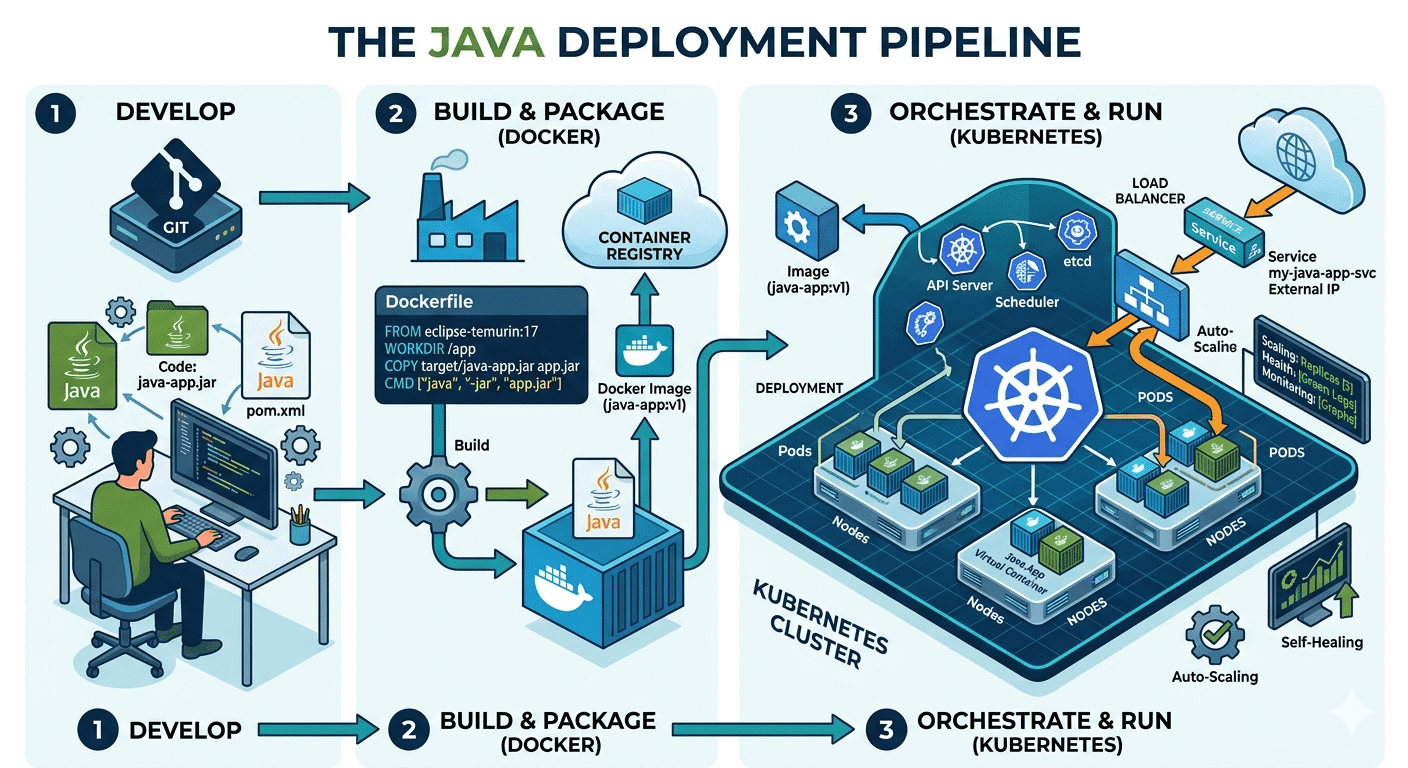
How Do Java Development Teams Use Docker and Kubernetes to Deploy Applications?
Last updated on: April 24, 2026Posted by: ExamRadar

AI vs Machine Learning: Key Differences Every Professional Should Know
Last updated on: February 13, 2026Posted by: ExamRadar

Office Cleaning Services That Elevate Sydney Offices
Last updated on: February 11, 2026Posted by: ExamRadar

What You Actually Learn About Exam Patterns From RBI Grade B Previous Year Papers?
Last updated on: February 9, 2026Posted by: ExamRadar