Question: Which of the following is the smallest storage?
Answer:
Among the given options, the smallest storage is the "Bit."
A bit (short for binary digit) is the fundamental unit of digital information storage and is represented as a 0 or a 1. It is the basic building block for all digital data. A single bit can represent two states: off or on, false or true, or any two distinct values.
Other units of storage that are larger than a bit include:
- Nibble: A nibble consists of 4 bits, allowing it to represent 16 distinct values (2^4).
- Byte: A byte is made up of 8 bits, and it is the most common unit of storage in computers. It can represent 256 distinct values (2^8) and is often used to store a single character of text.
- Kilobyte (KB): 1 KB is equal to 1,024 bytes. It is commonly used to measure small amounts of data.
- Megabyte (MB): 1 MB is equal to 1,024 KB or approximately one million bytes. It is often used to measure the size of files or storage capacity.
- Gigabyte (GB): 1 GB is equal to 1,024 MB or approximately one billion bytes. It is commonly used to measure the capacity of computer hard drives or the size of large files.
- Terabyte (TB): 1 TB is equal to 1,024 GB or approximately one trillion bytes. It is used to measure large amounts of data, such as storage capacities in data centers.
Remember that storage sizes can vary depending on the context and technology being used, but the bit remains the smallest unit of storage.
MCQ: Which of the following is the smallest storage?
Explanation:
Among the given options, the smallest storage is the "Bit."
A bit (short for binary digit) is the fundamental unit of digital information storage and is represented as a 0 or a 1. It is the basic building block for all digital data. A single bit can represent two states: off or on, false or true, or any two distinct values.
Other units of storage that are larger than a bit include:
- Nibble: A nibble consists of 4 bits, allowing it to represent 16 distinct values (2^4).
- Byte: A byte is made up of 8 bits, and it is the most common unit of storage in computers. It can represent 256 distinct values (2^8) and is often used to store a single character of text.
- Kilobyte (KB): 1 KB is equal to 1,024 bytes. It is commonly used to measure small amounts of data.
- Megabyte (MB): 1 MB is equal to 1,024 KB or approximately one million bytes. It is often used to measure the size of files or storage capacity.
- Gigabyte (GB): 1 GB is equal to 1,024 MB or approximately one billion bytes. It is commonly used to measure the capacity of computer hard drives or the size of large files.
- Terabyte (TB): 1 TB is equal to 1,024 GB or approximately one trillion bytes. It is used to measure large amounts of data, such as storage capacities in data centers.
Remember that storage sizes can vary depending on the context and technology being used, but the bit remains the smallest unit of storage.
Discuss a Question
Related Questions
- 1. Which of the following contains permanent data and gets updated during the processing of transactions?
- 2. Which of the following helps to protect floppy disks from data getting accidentally erased?
- 3. A modem is connected to
- 4. Large transaction processing systems in automated organisations use
- 5. In a computer, most processing takes place in
- 6. Which of the following is not a storage medium?
- 7. The computer abbreviation KB usually means
- 8. The typical computer criminal is a(n):
- 9. The common name for the crime of stealing passwords is:
- 10. Collecting personal information and effectively posing as another individual is known as the crime of:
You may be interested in:
Computer Basics MCQsRecently Added Articles
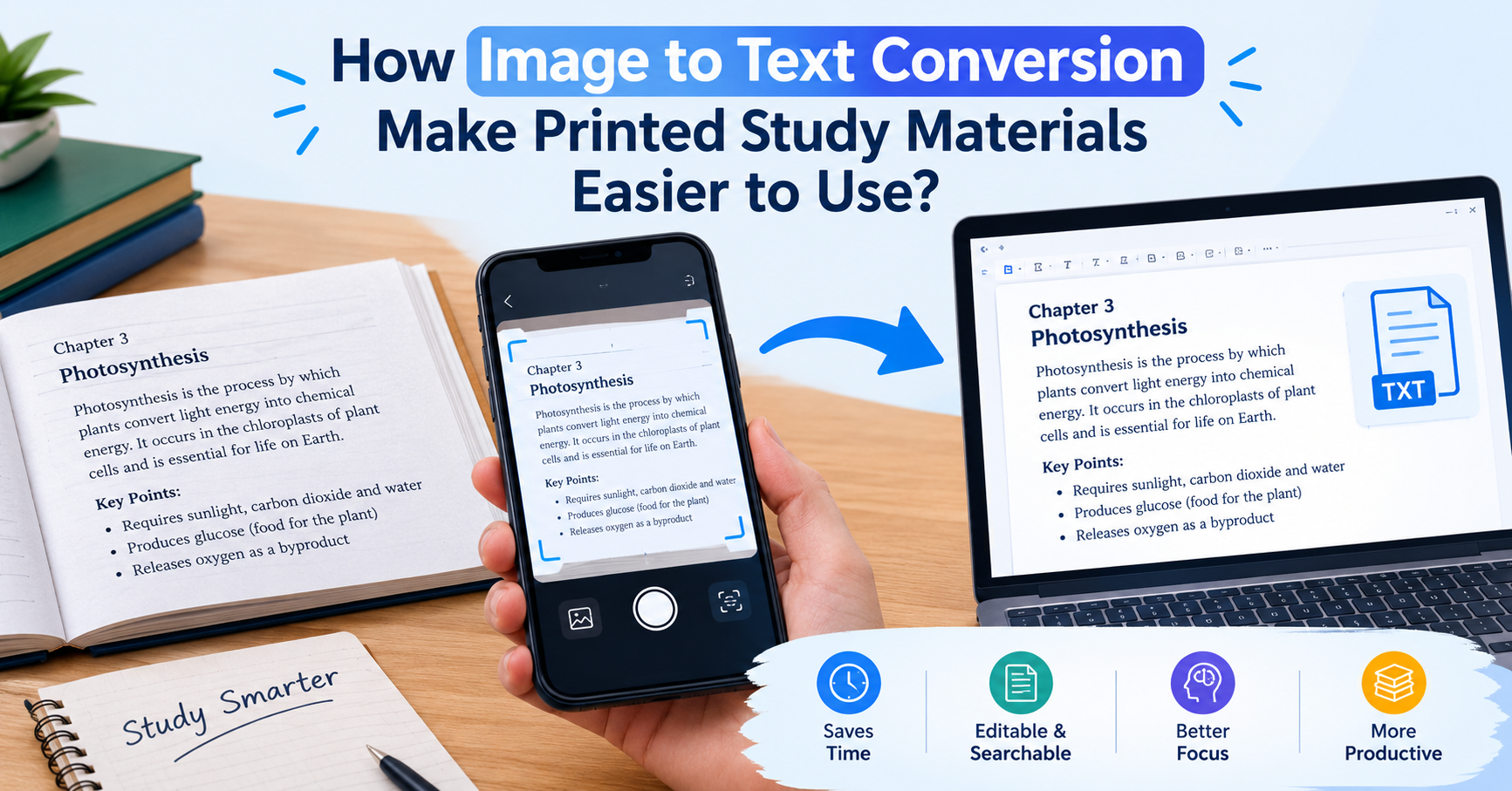
How Image to Text Conversion Make Printed Study Materials Easier to Use?
Last updated on: October 23, 2026Posted by: ExamRadar

7 Best Online Exam Makers for Teachers, Schools, and Businesses
Last updated on: October 21, 2026Posted by: ExamRadar

How to pick a Bintan resort when you’ve only got 48 hours
Last updated on: September 23, 2026Posted by: ExamRadar

Features to Look for While Choosing the Best Automation Tool
Last updated on: July 15, 2026Posted by: ExamRadar
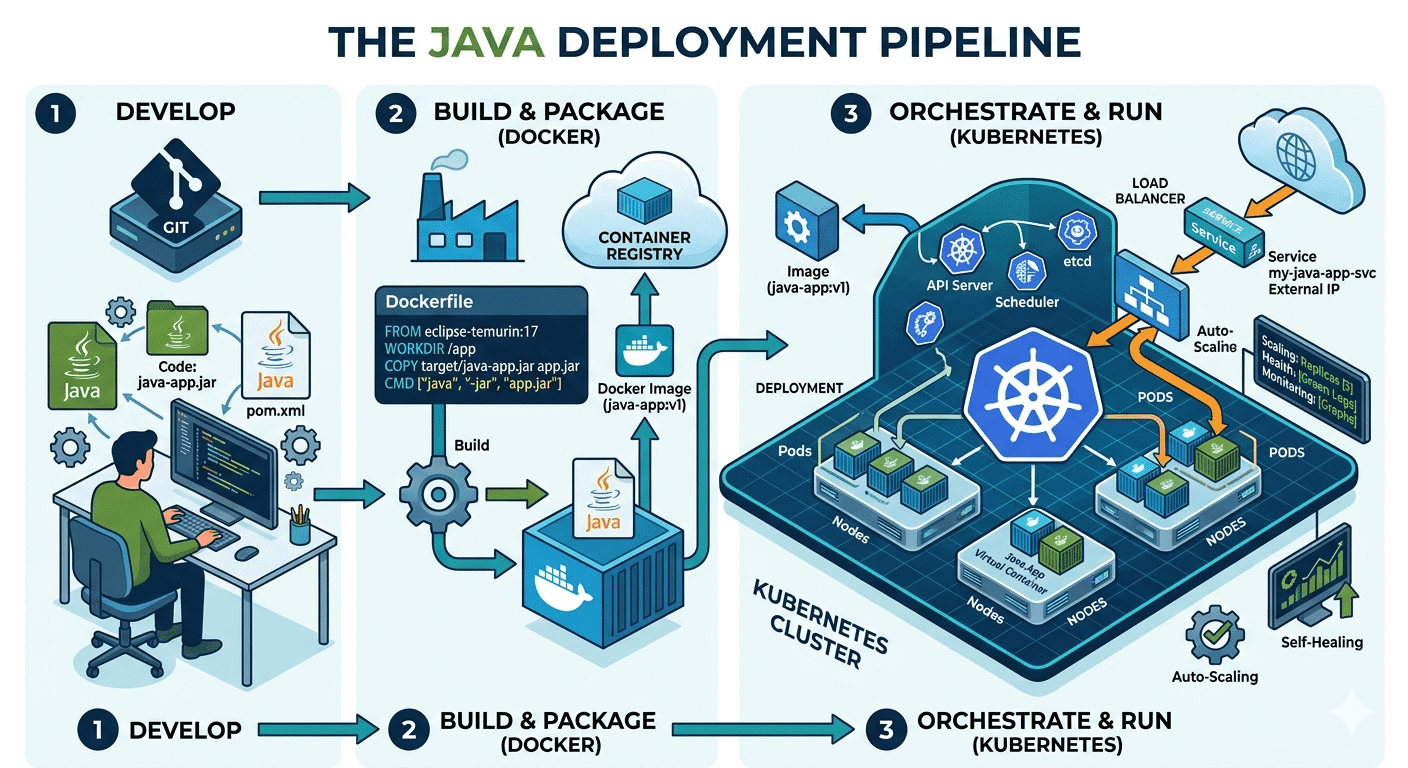
How Do Java Development Teams Use Docker and Kubernetes to Deploy Applications?
Last updated on: April 24, 2026Posted by: ExamRadar

AI vs Machine Learning: Key Differences Every Professional Should Know
Last updated on: February 13, 2026Posted by: ExamRadar

Office Cleaning Services That Elevate Sydney Offices
Last updated on: February 11, 2026Posted by: ExamRadar

What You Actually Learn About Exam Patterns From RBI Grade B Previous Year Papers?
Last updated on: February 9, 2026Posted by: ExamRadar