Question: An URL is normally made of _______ parts
Answer:
A URL (Uniform Resource Locator) is typically made up of five parts:
1. Scheme/Protocol: This is the first part of a URL and indicates the protocol used to access the resource. Common schemes include "http://" for accessing web pages over HTTP, "https://" for secure web pages using HTTPS, "ftp://" for accessing files over FTP, and "mailto://" for email addresses.
2. Domain/Subdomain: The domain or subdomain identifies the specific website or server hosting the resource. It is usually preceded by "www" for World Wide Web addresses, but it can be customized to other subdomains or left blank for certain websites.
3. Top-Level Domain (TLD): The TLD is the last part of the domain and represents the highest level in the domain naming hierarchy. Examples of TLDs include ".com" for commercial websites, ".org" for organizations, ".net" for network infrastructure, and country-specific TLDs like ".uk" for the United Kingdom or ".de" for Germany.
4. Path: The path component specifies the specific location or directory on the server where the resource is located. It can include multiple directories or subdirectories, separating them with slashes ("/"). The path is optional and can be omitted if the resource is located at the root of the server.
5. Query Parameters: Query parameters are additional information appended to the URL, usually following a question mark ("?"). They provide specific instructions or data to be sent to the server. Query parameters are typically represented as key-value pairs, separated by ampersands ("&"), such as "?page=1&sort=desc".
Here's an example of a URL broken down into its parts:
```
https://www.example.com/path/to/resource?param1=value1¶m2=value2
```
- Scheme/Protocol: "https://"
- Domain/Subdomain: "www.example.com"
- Top-Level Domain (TLD): ".com"
- Path: "/path/to/resource"
- Query Parameters: "?param1=value1¶m2=value2"
It's important to note that while URLs typically consist of these five parts, some URLs may not include all of them, depending on the specific resource and the website's structure.
MCQ: An URL is normally made of _______ parts
Explanation:
A URL (Uniform Resource Locator) is typically made up of five parts:
1. Scheme/Protocol: This is the first part of a URL and indicates the protocol used to access the resource. Common schemes include "http://" for accessing web pages over HTTP, "https://" for secure web pages using HTTPS, "ftp://" for accessing files over FTP, and "mailto://" for email addresses.
2. Domain/Subdomain: The domain or subdomain identifies the specific website or server hosting the resource. It is usually preceded by "www" for World Wide Web addresses, but it can be customized to other subdomains or left blank for certain websites.
3. Top-Level Domain (TLD): The TLD is the last part of the domain and represents the highest level in the domain naming hierarchy. Examples of TLDs include ".com" for commercial websites, ".org" for organizations, ".net" for network infrastructure, and country-specific TLDs like ".uk" for the United Kingdom or ".de" for Germany.
4. Path: The path component specifies the specific location or directory on the server where the resource is located. It can include multiple directories or subdirectories, separating them with slashes ("/"). The path is optional and can be omitted if the resource is located at the root of the server.
5. Query Parameters: Query parameters are additional information appended to the URL, usually following a question mark ("?"). They provide specific instructions or data to be sent to the server. Query parameters are typically represented as key-value pairs, separated by ampersands ("&"), such as "?page=1&sort=desc".
Here's an example of a URL broken down into its parts:
```
https://www.example.com/path/to/resource?param1=value1¶m2=value2
```
- Scheme/Protocol: "https://"
- Domain/Subdomain: "www.example.com"
- Top-Level Domain (TLD): ".com"
- Path: "/path/to/resource"
- Query Parameters: "?param1=value1¶m2=value2"
It's important to note that while URLs typically consist of these five parts, some URLs may not include all of them, depending on the specific resource and the website's structure.
Discuss a Question
Related Questions
- 1. In the URL HTTP://xxxx:yyyy/zzzz, the method is _________.
- 2. XLL definition is used along with XML to specify
- 3. DTD definition is used along with XML to specify
- 4. In _______ each object is defined by a numeric identifier
- 5. The identifier for the object named <i>sys</i> under the <i>mib</i> object is ______.
- 6. SNMP uses _________ messages to send and retrieve messages.
- 7. If a manager needs to get some information from an agent, it uses the _______ message.
- 8. If an agent needs to send some information to a manager, it uses the _________ message
- 9. The first section of a response message in HTTP is the __________
- 10. The fourth section of a response message in HTTP is the __________.
You may be interested in:
Web Fundamental MCQsRecently Added Articles

How to pick a Bintan resort when you’ve only got 48 hours
Last updated on: September 23, 2026Posted by: ExamRadar

Features to Look for While Choosing the Best Automation Tool
Last updated on: July 15, 2026Posted by: ExamRadar
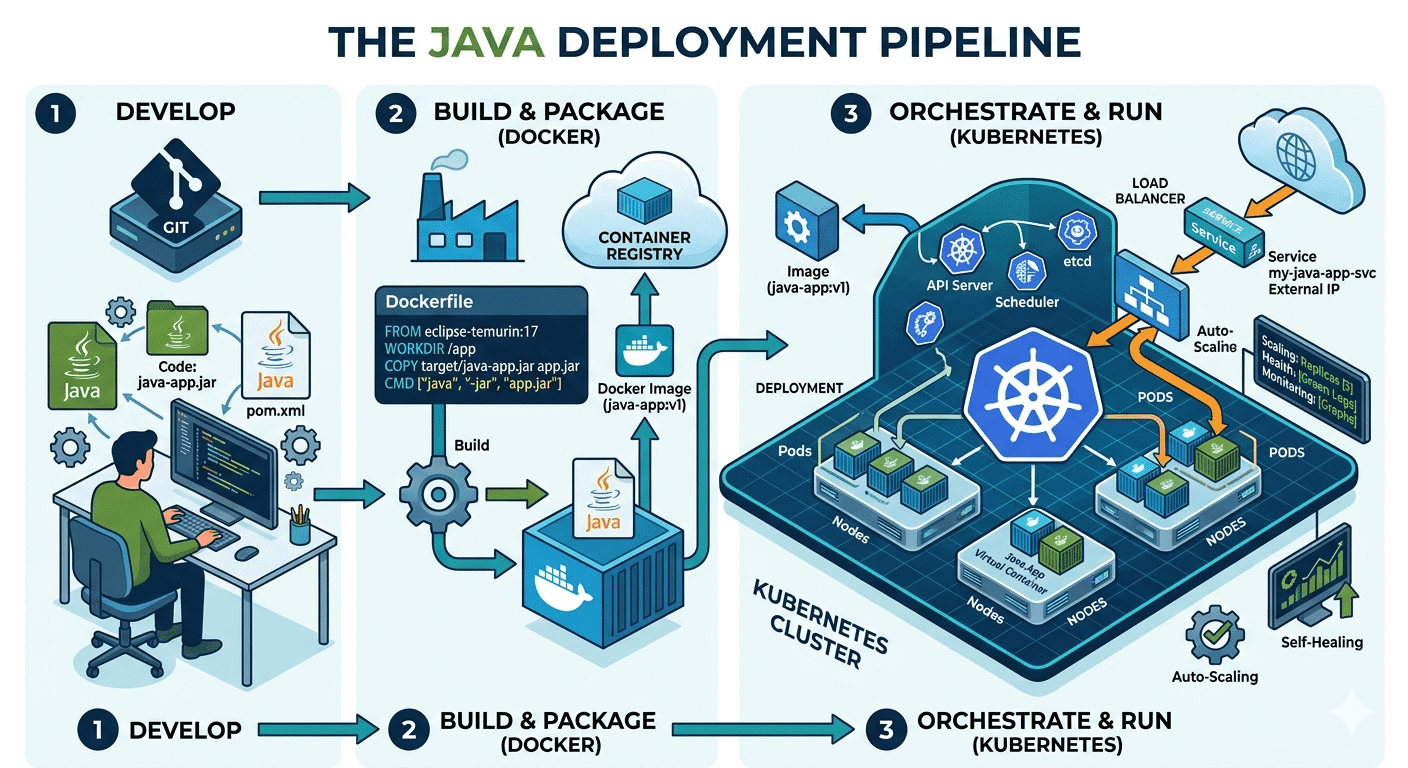
How Do Java Development Teams Use Docker and Kubernetes to Deploy Applications?
Last updated on: April 24, 2026Posted by: ExamRadar
AI vs Machine Learning: Key Differences Every Professional Should Know
Last updated on: February 13, 2026Posted by: ExamRadar

Office Cleaning Services That Elevate Sydney Offices
Last updated on: February 11, 2026Posted by: ExamRadar
What You Actually Learn About Exam Patterns From RBI Grade B Previous Year Papers?
Last updated on: February 9, 2026Posted by: ExamRadar

Mental Health Support That’s Closer Than You Think
Last updated on: January 7, 2026Posted by: ExamRadar

Transform Your Home’s Exterior with Columbus roofing company
Last updated on: November 27, 2025Posted by: ExamRadar