Question: Management in the Internet is achieved through _______ components.
Answer:
Management in the Internet is achieved through several components. Some of the key components involved in managing the Internet are:
1. Network Management Systems (NMS): Network Management Systems are software applications or systems responsible for monitoring, controlling, and managing network devices and resources. They provide functionalities like network monitoring, configuration management, performance analysis, and fault management.
2. Simple Network Management Protocol (SNMP): SNMP is a protocol used for managing and monitoring network devices. It allows network administrators to collect information, monitor device performance, and control network devices remotely. SNMP operates based on a manager-agent model, where SNMP managers communicate with SNMP agents on network devices to retrieve information and perform management operations.
3. Management Information Base (MIB): A Management Information Base is a database or collection of managed objects that represent the network devices and their characteristics. MIBs provide a structured way to organize and access information about network devices, such as configuration settings, performance metrics, and operational parameters. MIBs are defined using the Structure of Management Information (SMI) and are used by SNMP for managing network devices.
4. Domain Name System (DNS): The Domain Name System is responsible for translating human-readable domain names into IP addresses. DNS enables the naming and identification of objects on the Internet by providing a hierarchical and distributed naming system. It maps domain names to IP addresses and provides services like name resolution and domain name registration.
5. Routing Protocols: Routing protocols are responsible for determining the best path for data to travel across networks. They enable efficient and reliable data transmission by exchanging routing information between routers. Routing protocols help manage network traffic, optimize network performance, and ensure connectivity across the Internet.
These components work together to enable the management of the Internet, including monitoring and controlling network devices, maintaining accurate naming and addressing systems, and ensuring efficient data transmission across networks.
MCQ: Management in the Internet is achieved through _______ components.
Explanation:
Management in the Internet is achieved through several components. Some of the key components involved in managing the Internet are:
1. Network Management Systems (NMS): Network Management Systems are software applications or systems responsible for monitoring, controlling, and managing network devices and resources. They provide functionalities like network monitoring, configuration management, performance analysis, and fault management.
2. Simple Network Management Protocol (SNMP): SNMP is a protocol used for managing and monitoring network devices. It allows network administrators to collect information, monitor device performance, and control network devices remotely. SNMP operates based on a manager-agent model, where SNMP managers communicate with SNMP agents on network devices to retrieve information and perform management operations.
3. Management Information Base (MIB): A Management Information Base is a database or collection of managed objects that represent the network devices and their characteristics. MIBs provide a structured way to organize and access information about network devices, such as configuration settings, performance metrics, and operational parameters. MIBs are defined using the Structure of Management Information (SMI) and are used by SNMP for managing network devices.
4. Domain Name System (DNS): The Domain Name System is responsible for translating human-readable domain names into IP addresses. DNS enables the naming and identification of objects on the Internet by providing a hierarchical and distributed naming system. It maps domain names to IP addresses and provides services like name resolution and domain name registration.
5. Routing Protocols: Routing protocols are responsible for determining the best path for data to travel across networks. They enable efficient and reliable data transmission by exchanging routing information between routers. Routing protocols help manage network traffic, optimize network performance, and ensure connectivity across the Internet.
These components work together to enable the management of the Internet, including monitoring and controlling network devices, maintaining accurate naming and addressing systems, and ensuring efficient data transmission across networks.
Discuss a Question
Related Questions
- 1. What is The Structure of Management Information (SMI)?
- 2. <div class="group w-full text-gray-800 dark:text-gray-100 border-b border-black/10 dark:border-gray-900/50 dark:bg-gray-800"> <div class="flex p-4 gap-4 text-base md:gap-6 md:max-w-2xl lg:max-w-[38rem] xl:max-w-3xl md:py-6 lg:px-0 m-auto"> <div class="relative flex w-[calc(100%-50px)] flex-col gap-1 md:gap-3 lg:w-[calc(100%-115px)]"> <div class="flex flex-grow flex-col gap-3"> <div class="min-h-[20px] flex flex-col items-start gap-4 whitespace-pre-wrap break-words"> <div>What is MIB in Data Communication?</div> </div> </div> </div> </div> </div> <div class="group w-full text-gray-800 dark:text-gray-100 border-b border-black/10 dark:border-gray-900/50 bg-gray-50 dark:bg-[#444654]"> <div class="flex p-4 gap-4 text-base md:gap-6 md:max-w-2xl lg:max-w-[38rem] xl:max-w-3xl md:py-6 lg:px-0 m-auto"> <div class="flex-shrink-0 flex flex-col relative items-end"> <div class="w-[30px]"> <div class="relative p-1 rounded-sm h-[30px] w-[30px] text-white flex items-center justify-center"></div> </div> </div> </div> </div>
- 3. The management component in the Internet that sends messages is called _______
- 4. A search engine is a program to search
- 5. HTML stands for
- 6. The second section of a request message in HTTP is the__________
- 7. The third section of a request message in HTTP is the__________
- 8. An URL is normally made of _______ parts
- 9. In the URL HTTP://xxxx:yyyy/zzzz, the method is _________.
- 10. XLL definition is used along with XML to specify
You may be interested in:
Web Fundamental MCQsRecently Added Articles

How Image to Text Conversion Make Printed Study Materials Easier to Use?
Last updated on: October 23, 2026Posted by: ExamRadar

7 Best Online Exam Makers for Teachers, Schools, and Businesses
Last updated on: October 21, 2026Posted by: ExamRadar

How to pick a Bintan resort when you’ve only got 48 hours
Last updated on: September 23, 2026Posted by: ExamRadar

Features to Look for While Choosing the Best Automation Tool
Last updated on: July 15, 2026Posted by: ExamRadar
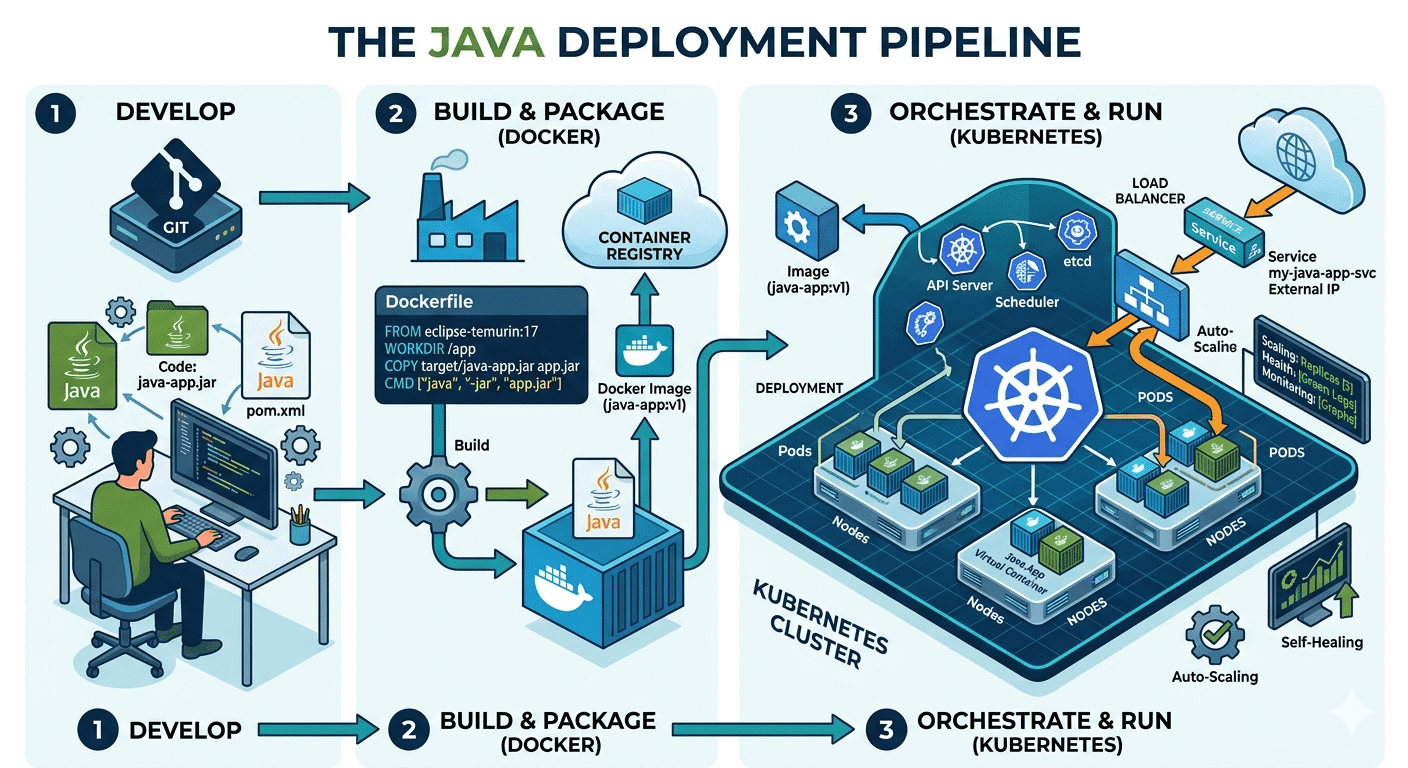
How Do Java Development Teams Use Docker and Kubernetes to Deploy Applications?
Last updated on: April 24, 2026Posted by: ExamRadar

AI vs Machine Learning: Key Differences Every Professional Should Know
Last updated on: February 13, 2026Posted by: ExamRadar

Office Cleaning Services That Elevate Sydney Offices
Last updated on: February 11, 2026Posted by: ExamRadar

What You Actually Learn About Exam Patterns From RBI Grade B Previous Year Papers?
Last updated on: February 9, 2026Posted by: ExamRadar