Question: A URL specifies the following: (i) protocol used (ii) domain name of server hosting web page (iii) name of folder with required information (iv) name of document formatted using HTML (v) the name of ISP
Answer:
Among the given options, the following statements are true about a URL:
(i) A URL specifies the protocol used. It indicates the communication protocol to be used when accessing the web page or resource. Common protocols include HTTP (Hypertext Transfer Protocol), HTTPS (HTTP Secure), FTP (File Transfer Protocol), etc.
(ii) A URL specifies the domain name of the server hosting the web page. It identifies the specific website or server where the web page is located. It is typically a human-readable name like "example.com" or "google.com."
(iii) A URL can include the name of the folder or directory with the required information. It indicates the specific directory or file path on the server where the web page or resource is located. For example, "/products/" or "/images/logo/".
(iv) A URL can specify the name of the document formatted using HTML. The document name usually appears in the URL path or as part of the file name extension. For example, "index.html" or "about-us.html".
(v) A URL does not necessarily specify the name of the ISP (Internet Service Provider). The ISP is the company or organization providing internet access to users and is not directly related to the URL structure.
In summary, statements (i), (ii), (iii), and (iv) are true regarding the information specified in a URL.
MCQ: A URL specifies the following: (i) protocol used (ii) domain name of server hosting web page (iii) name of folder with required information (iv) name of document formatted using HTML (v) the name of ISP
Explanation:
Among the given options, the following statements are true about a URL:
(i) A URL specifies the protocol used. It indicates the communication protocol to be used when accessing the web page or resource. Common protocols include HTTP (Hypertext Transfer Protocol), HTTPS (HTTP Secure), FTP (File Transfer Protocol), etc.
(ii) A URL specifies the domain name of the server hosting the web page. It identifies the specific website or server where the web page is located. It is typically a human-readable name like "example.com" or "google.com."
(iii) A URL can include the name of the folder or directory with the required information. It indicates the specific directory or file path on the server where the web page or resource is located. For example, "/products/" or "/images/logo/".
(iv) A URL can specify the name of the document formatted using HTML. The document name usually appears in the URL path or as part of the file name extension. For example, "index.html" or "about-us.html".
(v) A URL does not necessarily specify the name of the ISP (Internet Service Provider). The ISP is the company or organization providing internet access to users and is not directly related to the URL structure.
In summary, statements (i), (ii), (iii), and (iv) are true regarding the information specified in a URL.
Discuss a Question
Related Questions
- 1. A router is an example of a _______ in SNMP
- 2. Management in the Internet is achieved through _______ components.
- 3. What is The Structure of Management Information (SMI)?
- 4. <div class="group w-full text-gray-800 dark:text-gray-100 border-b border-black/10 dark:border-gray-900/50 dark:bg-gray-800"> <div class="flex p-4 gap-4 text-base md:gap-6 md:max-w-2xl lg:max-w-[38rem] xl:max-w-3xl md:py-6 lg:px-0 m-auto"> <div class="relative flex w-[calc(100%-50px)] flex-col gap-1 md:gap-3 lg:w-[calc(100%-115px)]"> <div class="flex flex-grow flex-col gap-3"> <div class="min-h-[20px] flex flex-col items-start gap-4 whitespace-pre-wrap break-words"> <div>What is MIB in Data Communication?</div> </div> </div> </div> </div> </div> <div class="group w-full text-gray-800 dark:text-gray-100 border-b border-black/10 dark:border-gray-900/50 bg-gray-50 dark:bg-[#444654]"> <div class="flex p-4 gap-4 text-base md:gap-6 md:max-w-2xl lg:max-w-[38rem] xl:max-w-3xl md:py-6 lg:px-0 m-auto"> <div class="flex-shrink-0 flex flex-col relative items-end"> <div class="w-[30px]"> <div class="relative p-1 rounded-sm h-[30px] w-[30px] text-white flex items-center justify-center"></div> </div> </div> </div> </div>
- 5. The management component in the Internet that sends messages is called _______
- 6. A search engine is a program to search
- 7. HTML stands for
- 8. The second section of a request message in HTTP is the__________
- 9. The third section of a request message in HTTP is the__________
- 10. An URL is normally made of _______ parts
You may be interested in:
Web Fundamental MCQsRecently Added Articles

How Image to Text Conversion Make Printed Study Materials Easier to Use?
Last updated on: October 23, 2026Posted by: ExamRadar

7 Best Online Exam Makers for Teachers, Schools, and Businesses
Last updated on: October 21, 2026Posted by: ExamRadar

How to pick a Bintan resort when you’ve only got 48 hours
Last updated on: September 23, 2026Posted by: ExamRadar

Features to Look for While Choosing the Best Automation Tool
Last updated on: July 15, 2026Posted by: ExamRadar
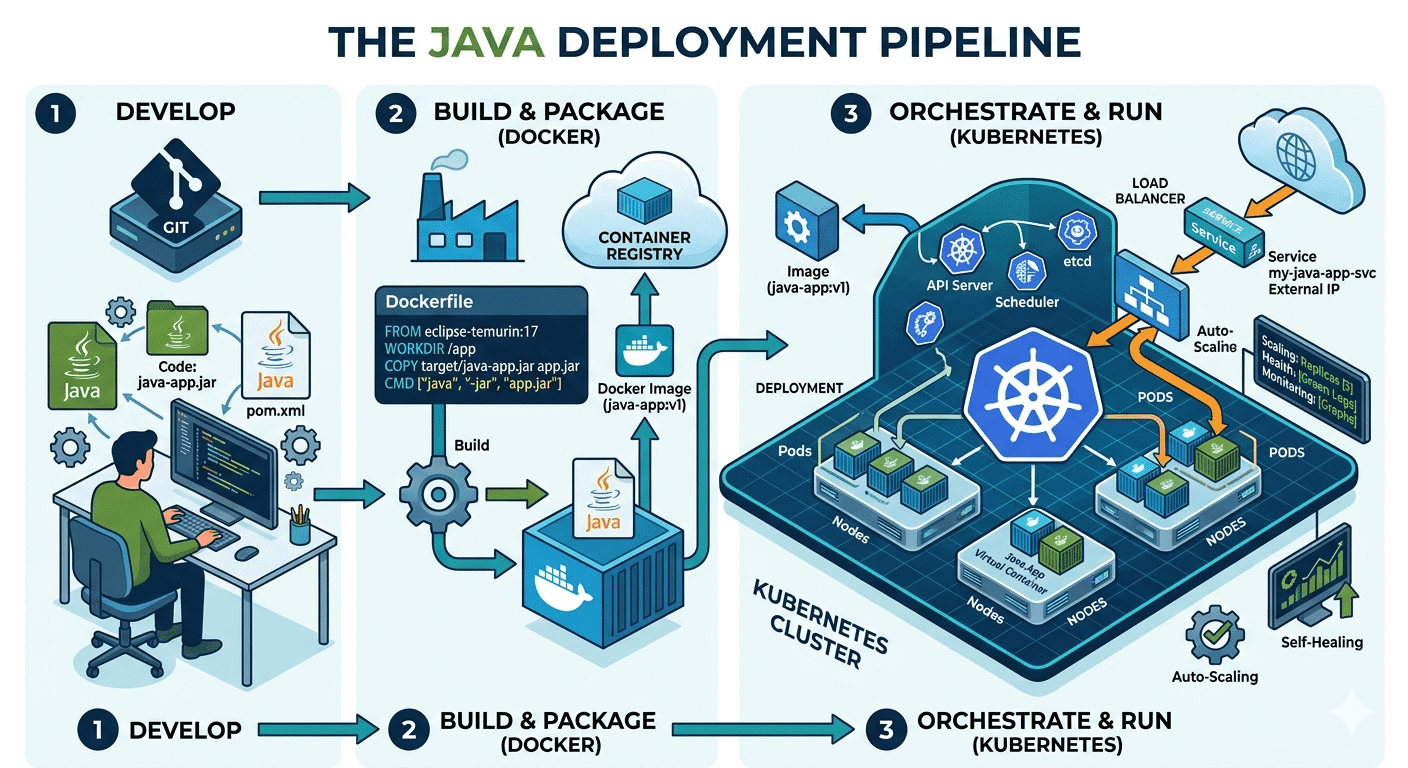
How Do Java Development Teams Use Docker and Kubernetes to Deploy Applications?
Last updated on: April 24, 2026Posted by: ExamRadar

AI vs Machine Learning: Key Differences Every Professional Should Know
Last updated on: February 13, 2026Posted by: ExamRadar

Office Cleaning Services That Elevate Sydney Offices
Last updated on: February 11, 2026Posted by: ExamRadar

What You Actually Learn About Exam Patterns From RBI Grade B Previous Year Papers?
Last updated on: February 9, 2026Posted by: ExamRadar